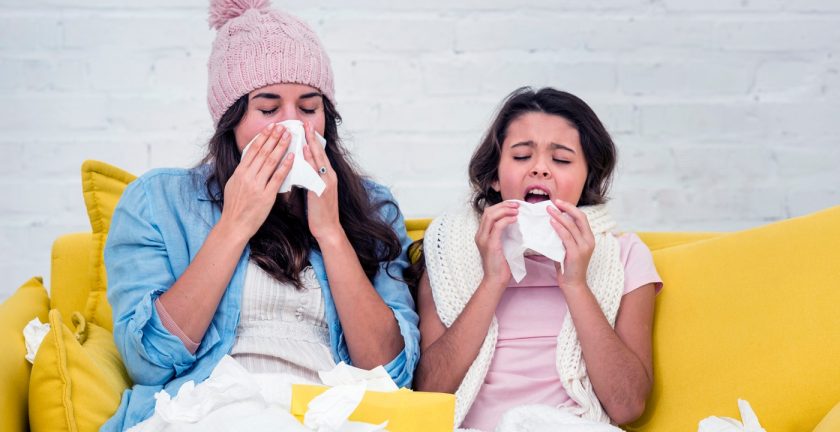
Spring is finally here and many of us have been looking forward to it after a long winter. The trees and flowers begin to bloom, the sun shines brighter, and the weather starts to warm up. Unfortunately, for millions of people, spring also marks the beginning of allergy season. Allergies affect children’s health and that of people of all ages, causing a variety of symptoms, including sneezing, runny nose, itchy eyes, and congestion.
One of the most effective ways to prevent allergies is to improve indoor air quality, which is partly determined by the number of pollutants and allergens present, among other indicators. Poor indoor air quality can trigger allergies and cause a variety of health problems, including respiratory problems, headaches, and fatigue.
These are not limited to homes but can also affect individuals in other indoor environments, such as schools or workplaces. Particularly, air allergens present at schools can have a negative effect on children’s health and well-being, affecting their ability to concentrate and learn.
WHICH ARE THE MAIN AIR ALLERGENS INDOORS?
- Pollen from trees, grasses, and flowers can enter through open windows and doors, or attach to clothing and hair.
- Mould is a type of fungus that can grow in damp or humid areas, such as bathrooms, basements or locker rooms. Exposure to mould can cause allergy symptoms and respiratory problems.
- Dust mites are microscopic creatures that live in dust and feed on dead skin cells. They can be found in carpets, upholstery and bedding, and their droppings can cause allergy symptoms.
- Cockroaches are a common allergen that can be found in kitchens and other areas where food is stored. Their droppings and saliva can cause allergic reactions and trigger asthma symptoms.
- Pet dander is made up of tiny flakes of skin that pets shed, and it can cause allergic reactions in some people.
- Cleaning products can contain harsh chemicals that irritate the skin and respiratory system.

9 STEPS TO REDUCE YOUR ALLERGY SYMPTOMS INDOORS!
- Vacuum and dust regularly. Use a vacuum with a HEPA filter, which can trap small particles such as dust mites and pollen. Make sure to clean the floors, carpets, and furniture regularly to prevent the buildup of dust.
- Use natural cleaning products with reduced harsh chemicals, which will be less irritating to the skin and respiratory system.
- Keep the humidity levels between 30-50% by using a dehumidifier or an air conditioner, especially in areas where moisture is a problem, such as bathrooms. Low humidity can prevent the growth of mould and dust mites.
- Avoid opening windows and doors during allergy season, since that would fill the environment with a variety of allergens, especially pollen.
- Use an air purifier to remove allergens and pollutants from the air. Especially those with HEPA filters, which are able to capture particles as small as 0.3 microns.
- Change air filters at least every three months, or even more frequently if pets are around or you suffer from allergies. Dirty filters can be less effective in removing allergens and pollutants from indoor air.
- Wash your hands regularly to reduce the spread of allergens, especially after being outside or in contact with animals.
- Reduce the exposure to pets and make sure they are kept clean, since they can bring in many allergens from the outside.
- At home, wash your sheets, pillowcases and blankets regularly in hot water, to kill dust mites and remove other allergens.
And remember: if your allergies are severe or persist despite these measures, speak with a healthcare professional for additional treatment options.
© Cover image from Freepik
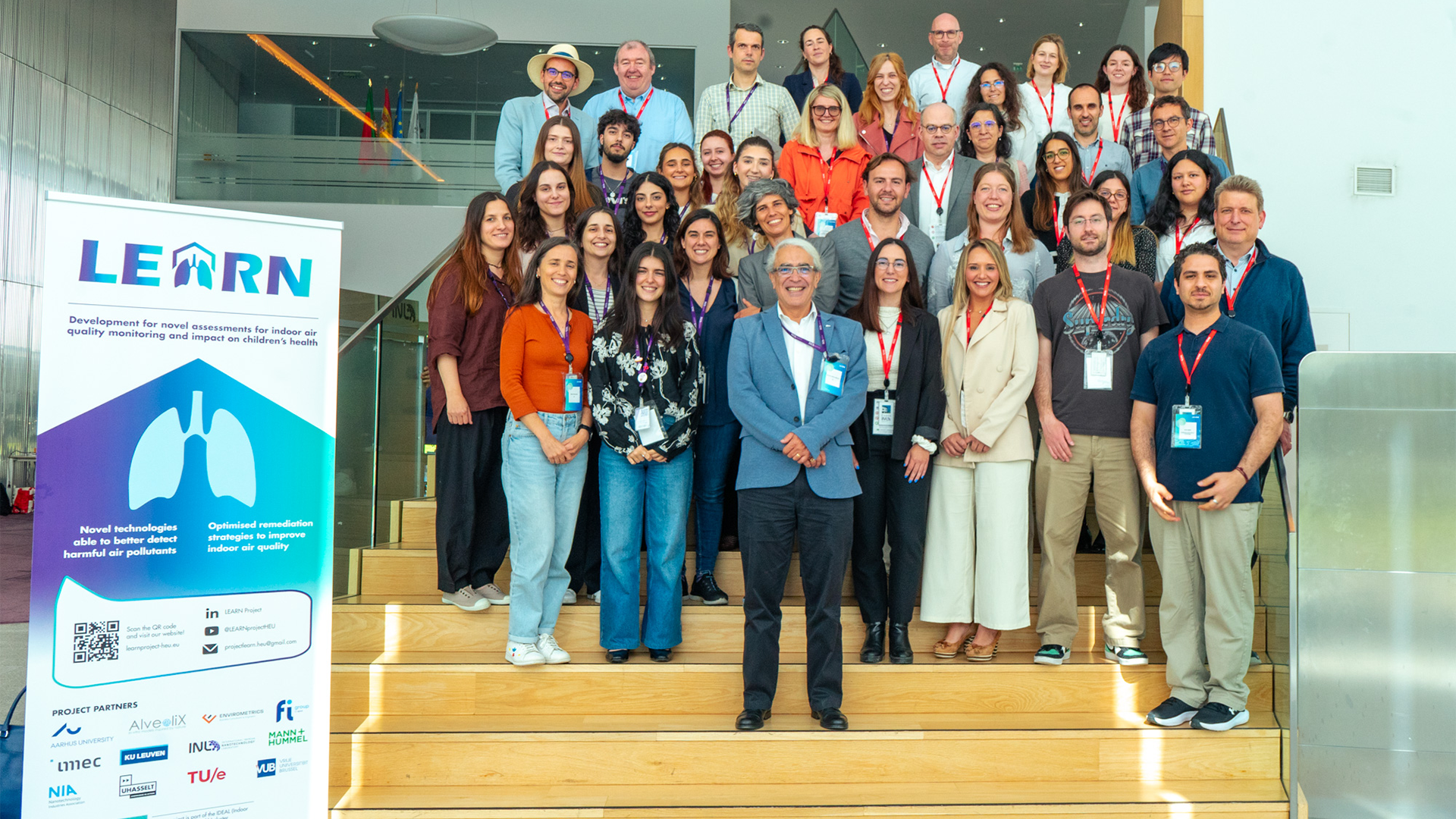
The LEARN project is a Horizon Europe project meant to monitor and evaluate indoor air quality at schools around Europe and its impact on children’s health. Our main goal is to develop and deploy novel sensors that can detect possibly harmful air pollutants, as well as advanced biosensors and optimised air remediation strategies. Find out more about our EU-funded project!