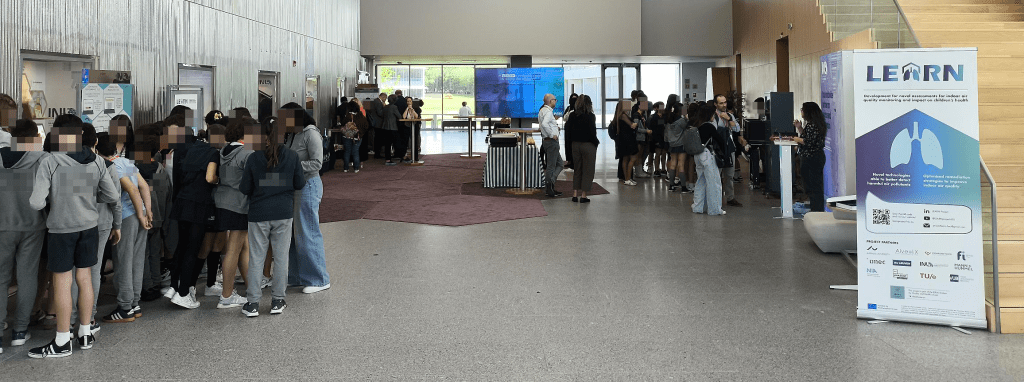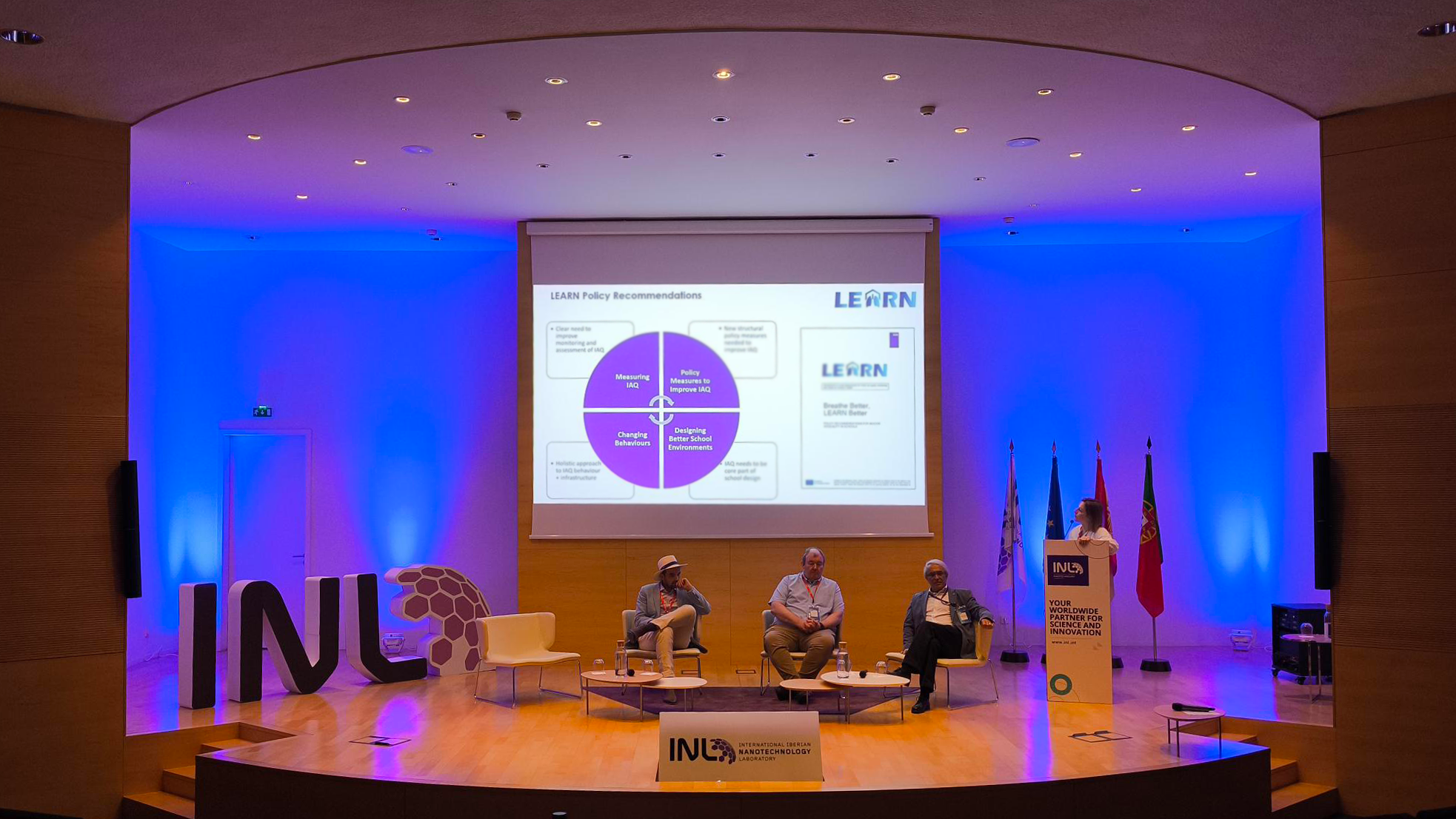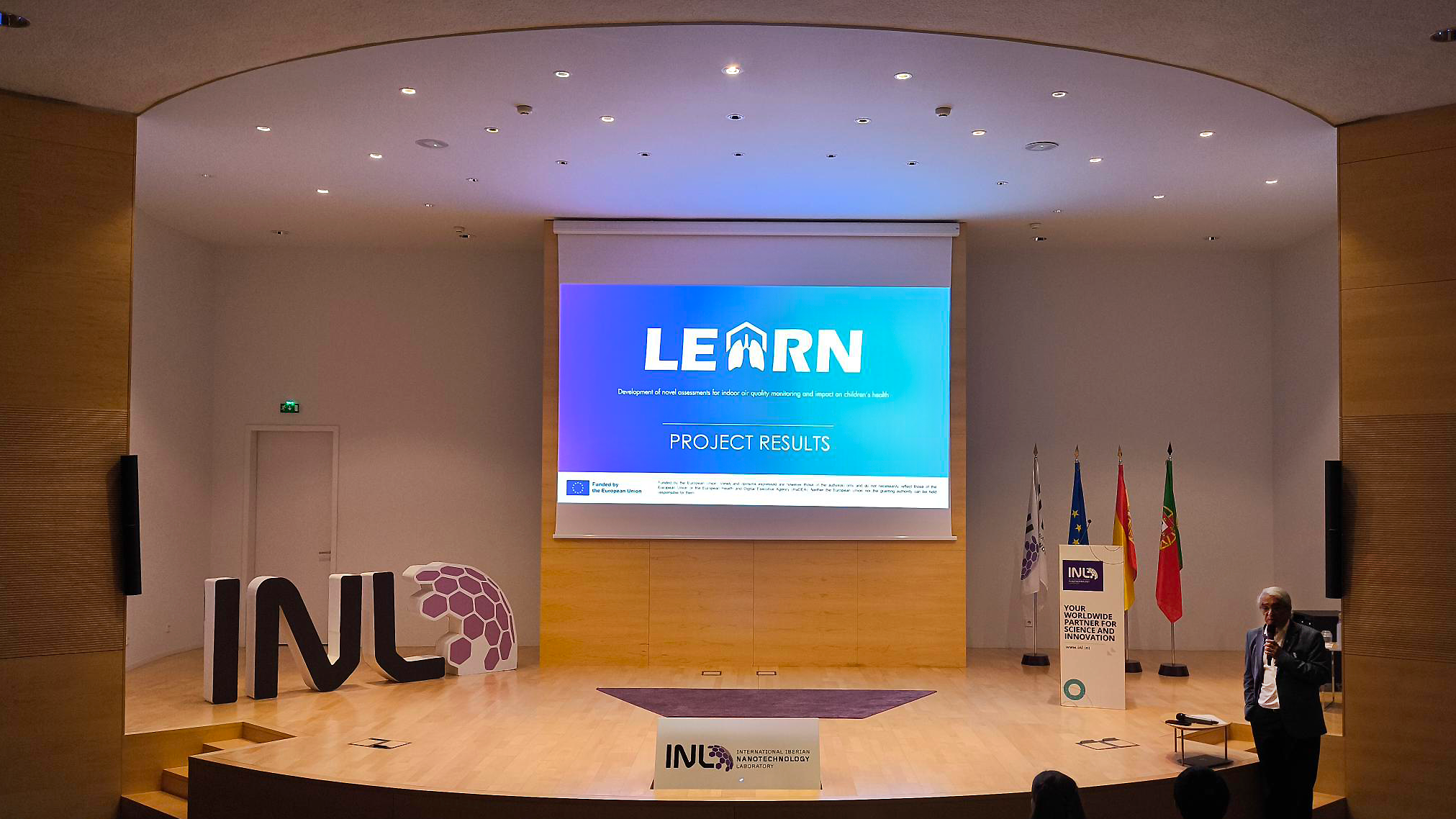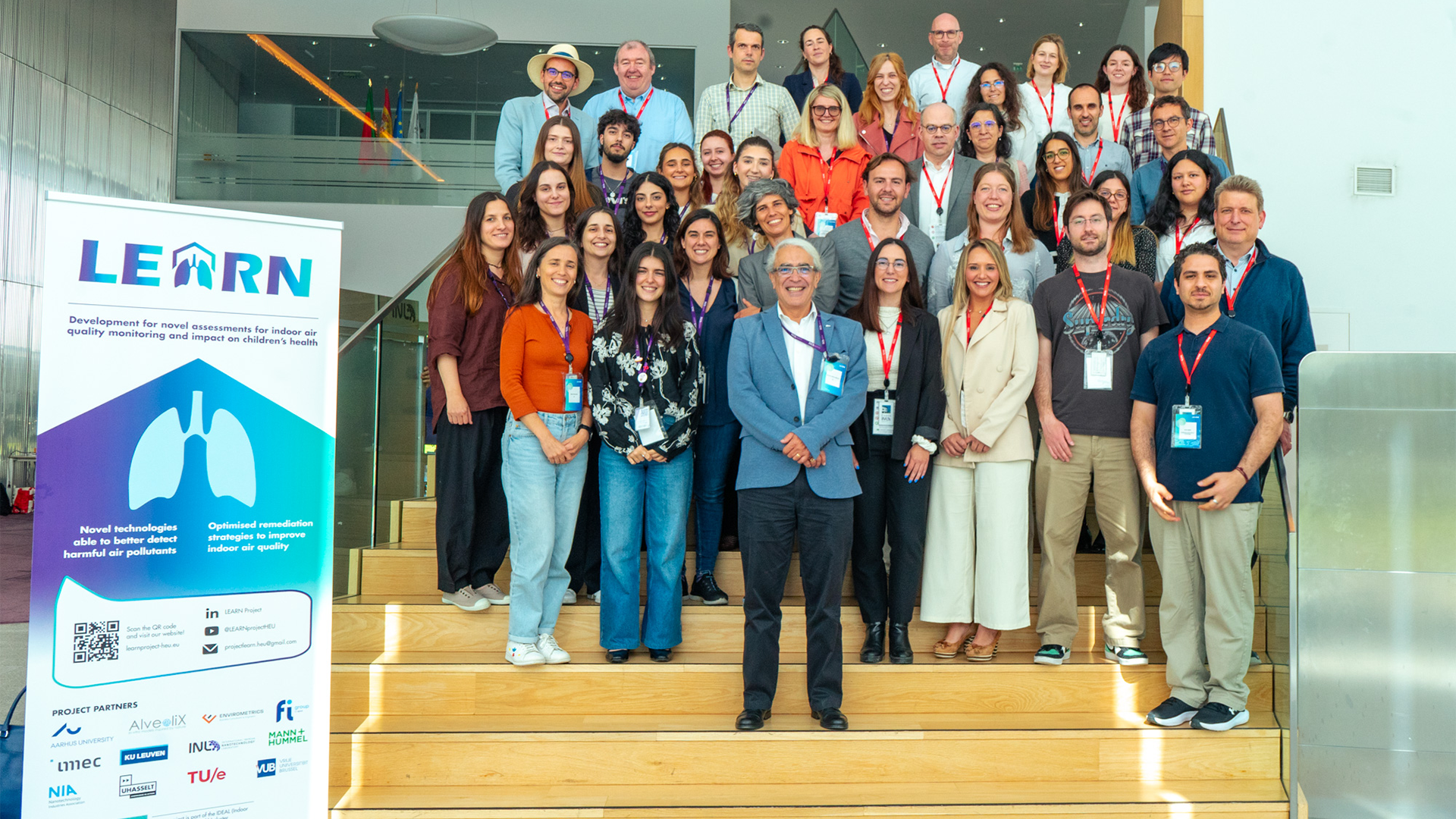
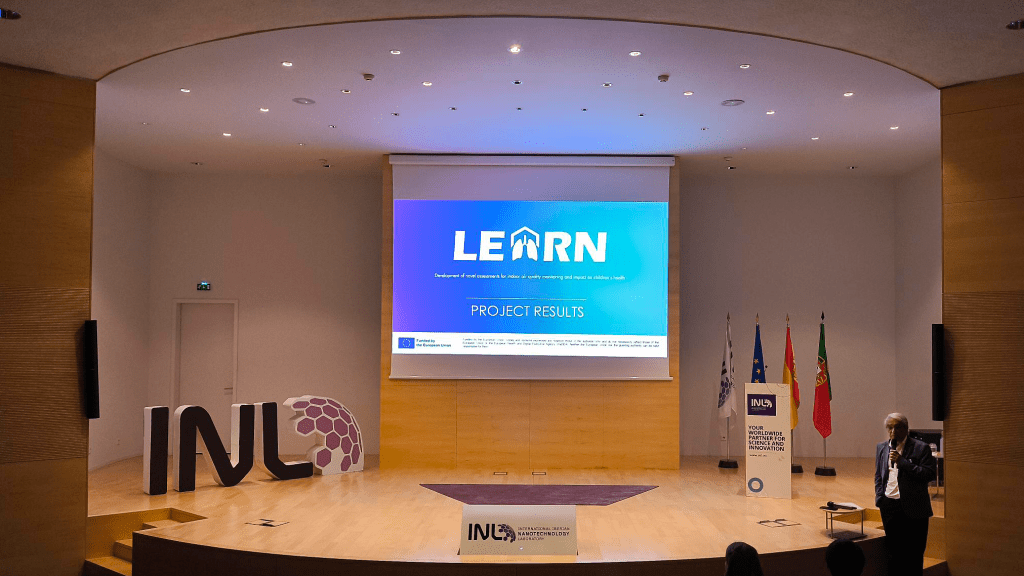
The LEARN Project Conference on Indoor Air Quality and Children’s Health took place on 22 April at the International Iberian Nanotechnology Laboratory (INL) in Braga, Portugal, as a hybrid event.
Over the course of 4 years, a consortium of 12 leading European research teams worked together to investigate indoor air quality at schools across the continent and its impact on children’s health and cognitive development.
To address this societal challenge, the LEARN project developed novel sensing technologies to detect harmful pollutants such as VOCs and UFPs, investigated toxicity mechanisms using advanced in vitro models, and explored air purification strategies to improve school environments.
This conference presented and showcased the project’s key scientific results, technological advances and evidence-based policy recommendations, aiming to foster dialogue between researchers, policymakers, educators and stakeholders on improving indoor air quality in schools across Europe.
Presenting key LEARN project results and findings
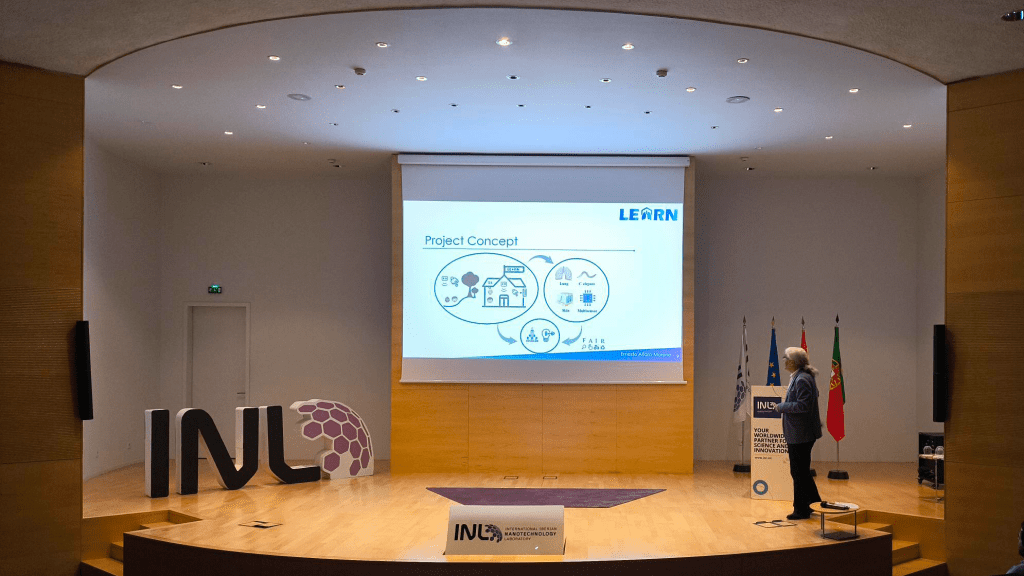
The LEARN Project Conference opened with Ernesto Alfaro-Moreno (INL), who outlined how the project evolved into a roadmap to improve indoor air quality in schools, highlighting its impact on children’s health and cognition.
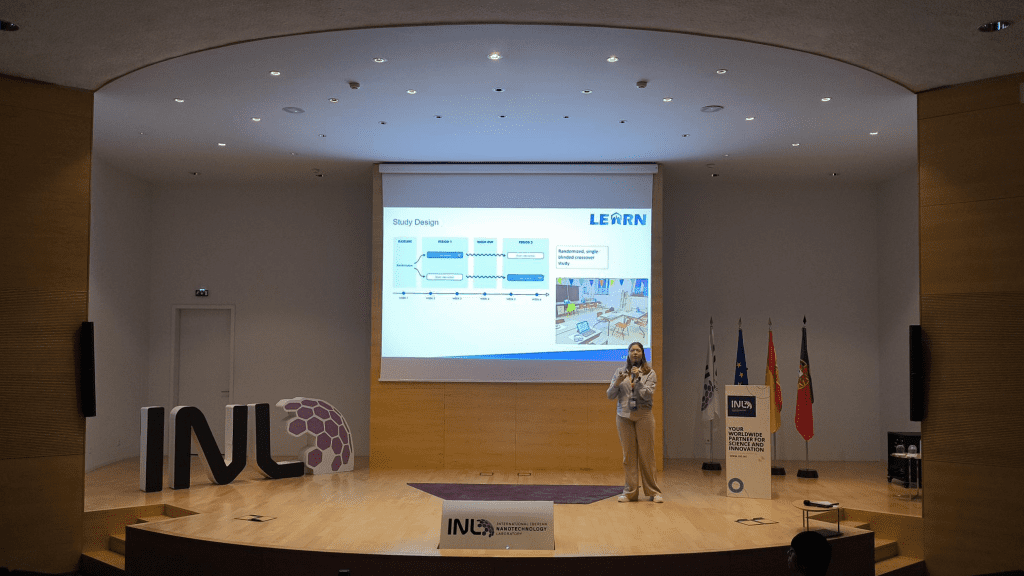
Daphne Berden (UHasselt) presented cohort results from Belgium, Denmark, and Greece, showing that better indoor air quality reduces children’s exposure to pollutants and is linked to improved diastolic blood pressure and enhanced learning conditions, supporting cognitive performance and attention.
Wai Kei Chu (KU Leuven) shared indoor and outdoor air quality findings from European schools. Installing air purification systems significantly reduced airborne particles and chemical pollutants without affecting classroom conditions, and led to a new methodological framework for biomonitoring.
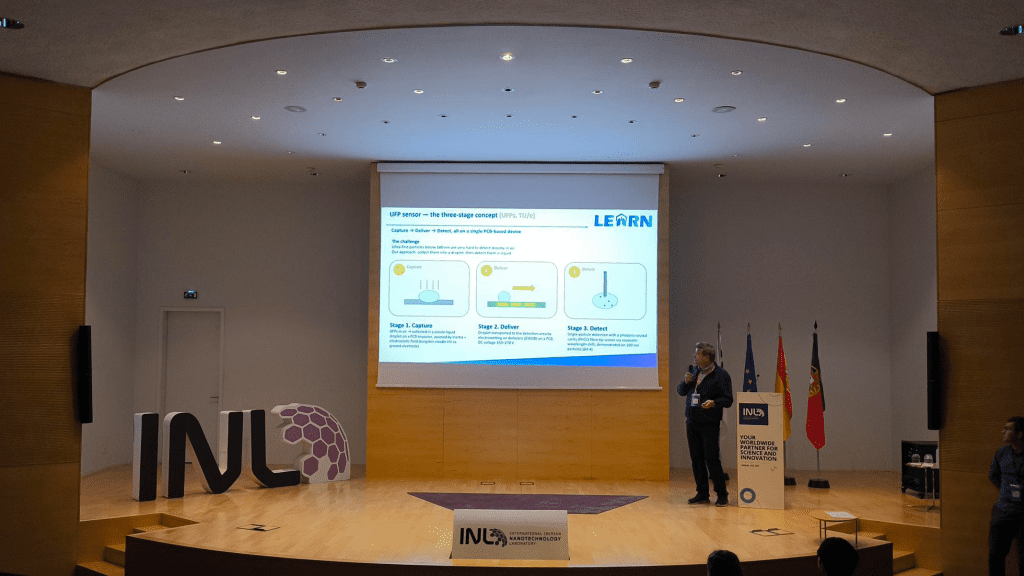
Hans Wyss (TU Eindhoven) and Pieter De Beule (INL) introduced novel sensing technologies for indoor air pollution, including ultrafine particle detection (~50 nm) using fibre-tip optics and advanced VOC sensors based on SIPS for real-time, molecule-specific monitoring.
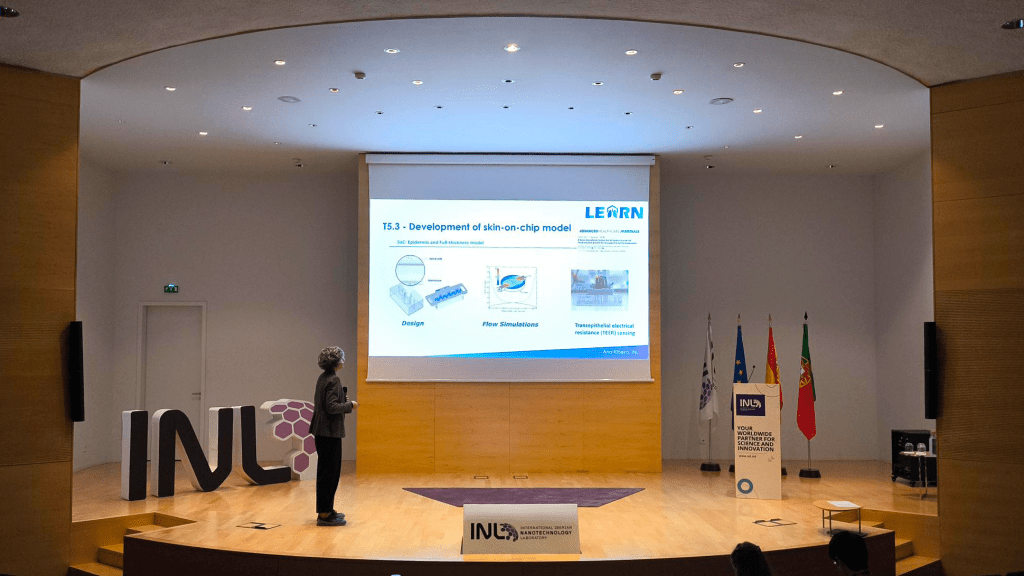
Ana Ribeiro (INL) presented toxicological studies using lung-on-chip and skin-on-chip models, alongside a cytotoxicity sensing prototype detecting inflammation and stress. Research with C. elegans showed that pollutants can cause developmental delays and neurobehavioral changes.
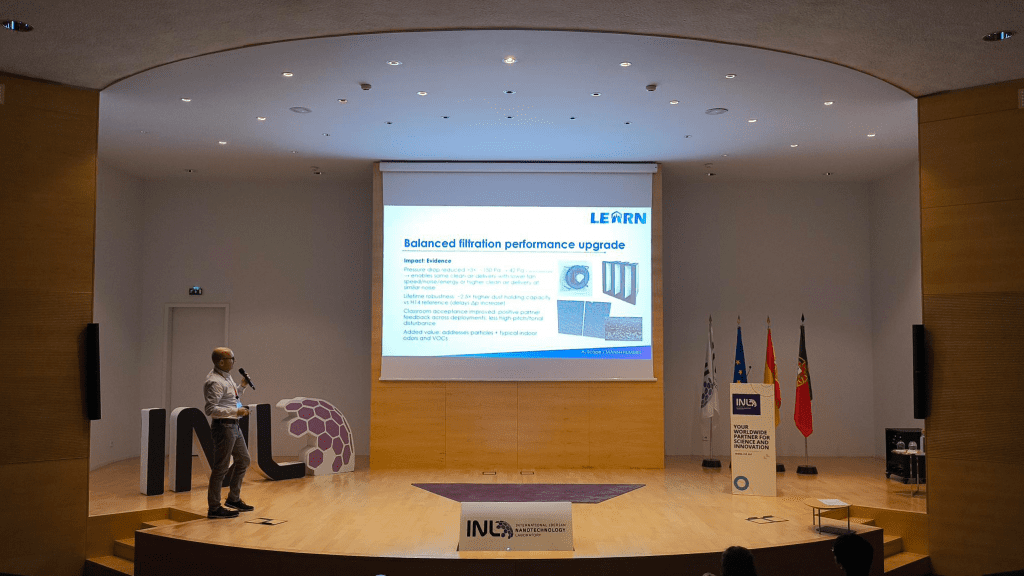
Andreas Scope (MANN+HUMMEL) showcased an optimised air purification system for schools, reducing noise, improving filtration of particles and gases, and lowering energy consumption.
Finally, Ernesto Alfaro-Moreno (INL) and Sean Kelly (NIA) provided an impact and sustainability statement, presenting exploitation pathways and a continuation strategy.
Enhancing discussion with a Policymaking Workshop
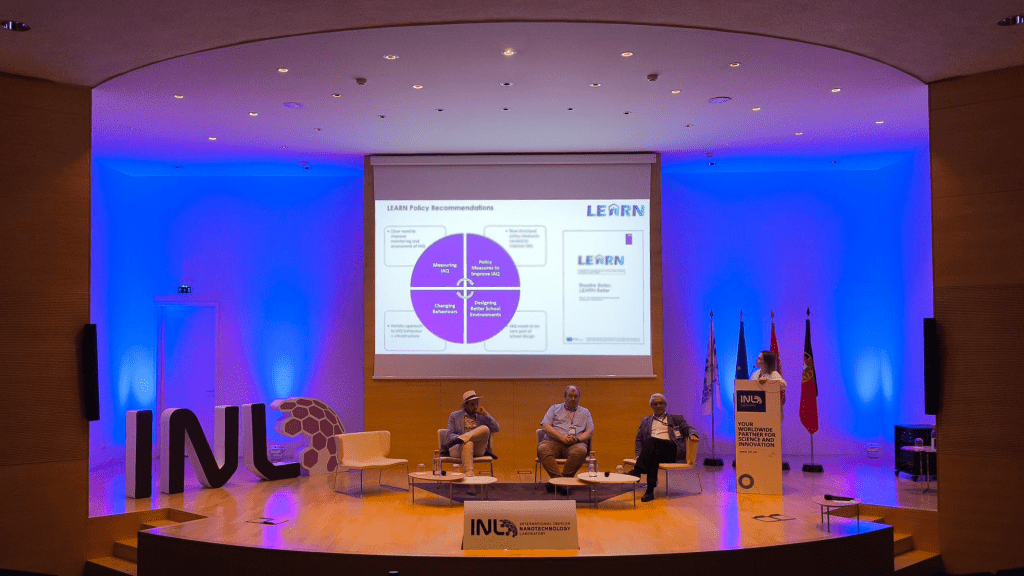
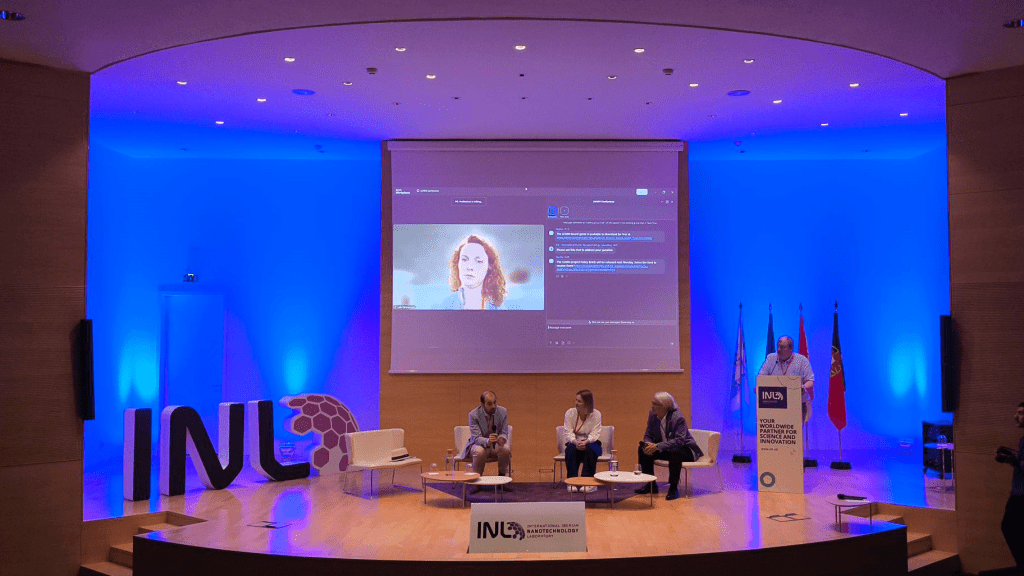
Carina Veeckman (VUB) unveiled the LEARN project’s Policy Recommendations, which will be publicly released on Monday, 27 April. Moreover, a roundtable was organised with representatives from the project and key stakeholder groups, moderated by Sean Kelly (NIA), with the panellists:
- Alex Borg (The Lisbon Council, EDIAQI)
- Lula Timmerman (Belgium’s FOD Volksgezondheid, Veiligheid van de Voedselketen en Leefmilieu)
- Ernesto Alfaro-Moreno (INL)
- Carina Veeckman (VUB)
Indoor air quality insights from keynote speakers
The LEARN project welcomed some external speakers to share their expertise in the field.
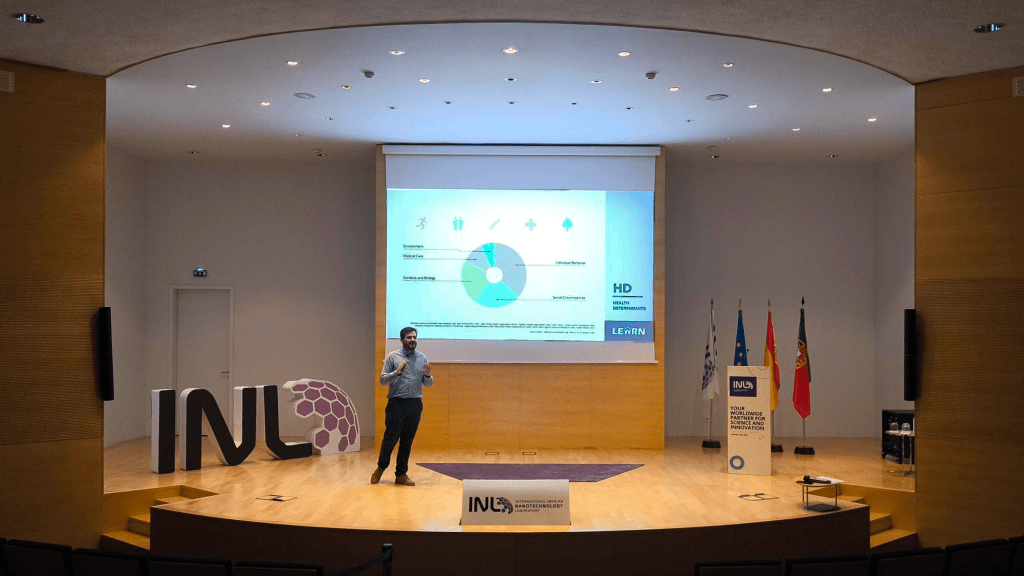
To open the conference, our external advisor Emanuel Valpaços (CRITICAL CATALYST) raised awareness on the health impacts of air pollution, which has proven to be a risk factor for a series of diseases and disabilities, with children being especially vulnerable to it.
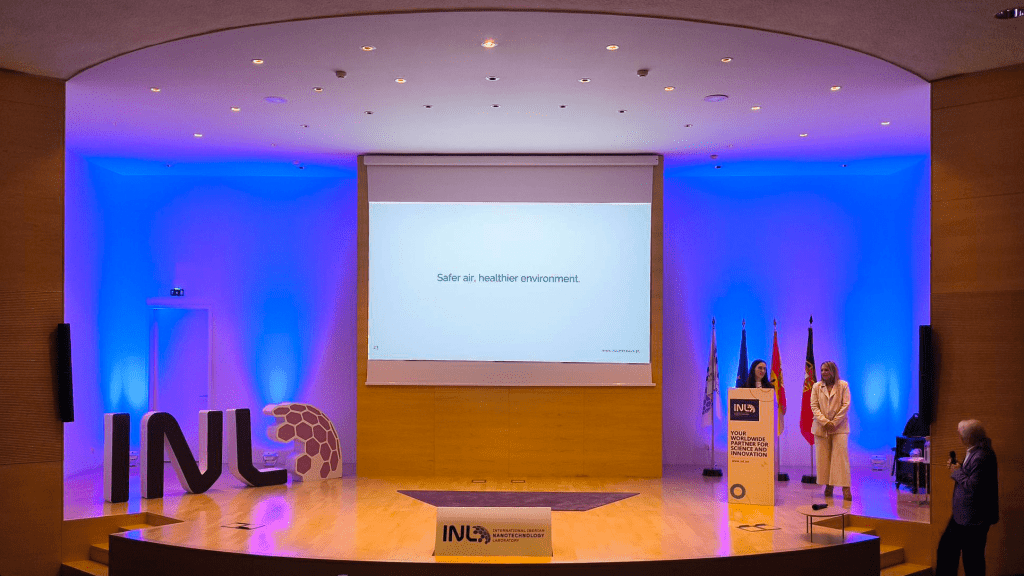
As a closure, Inês Lopes and Fátima Rodrigues explained how Clean Breeze Engenharia e Serviços monitors indoor air quality in different environments and proposes tailored measures to mitigate it, exploring pathways to make a change in industry and society.
Exhibition of LEARN project tools and technologies
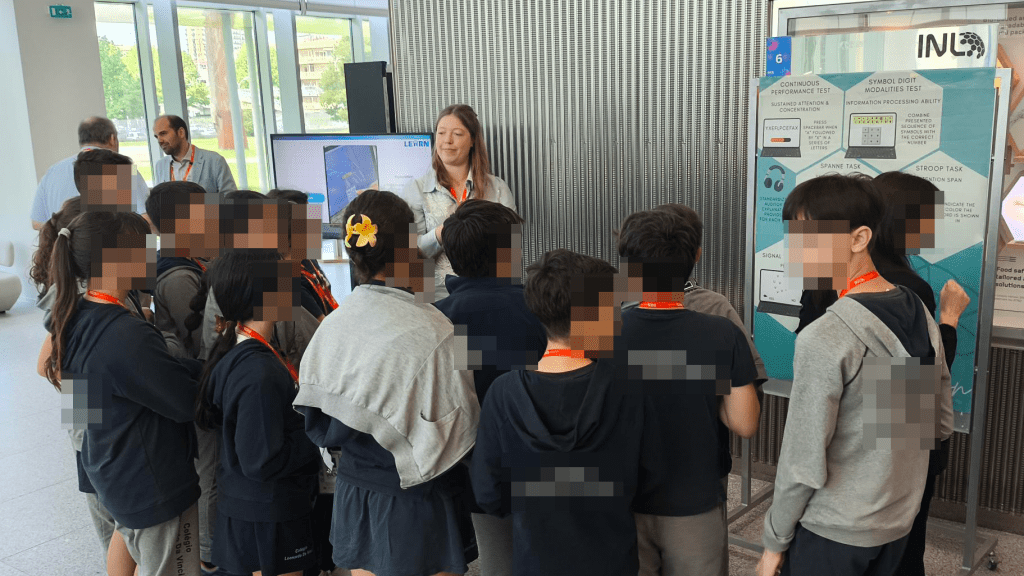
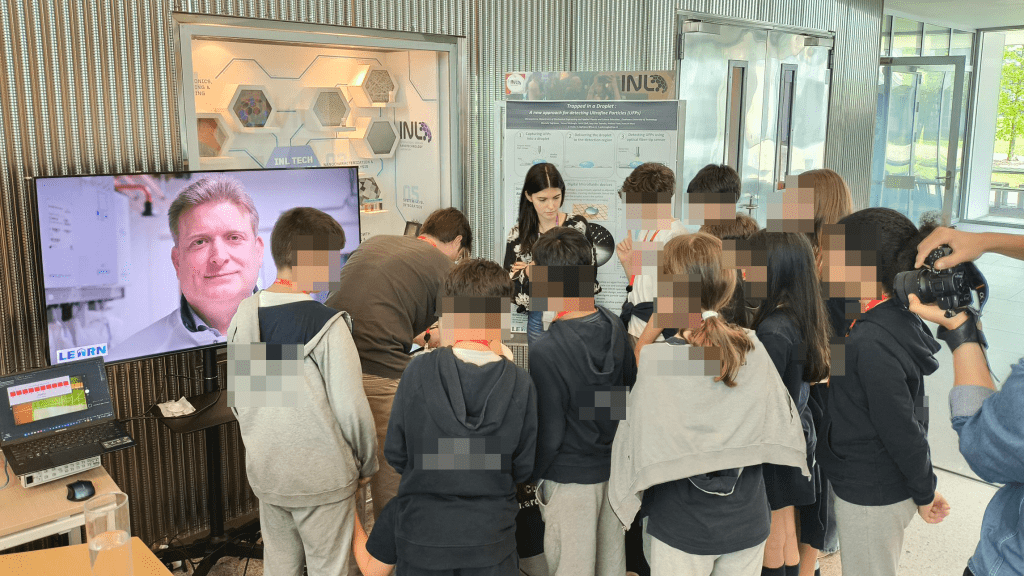
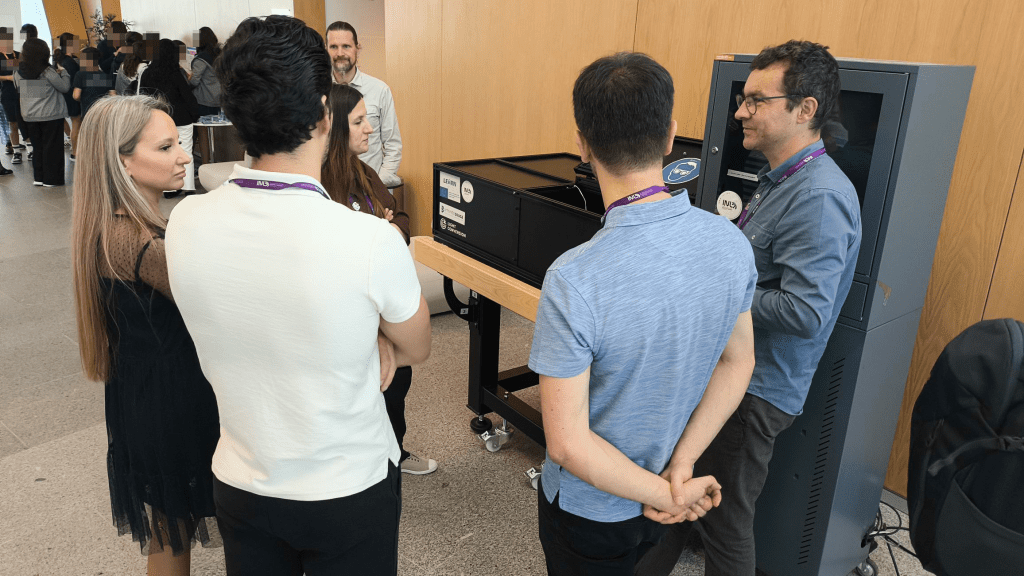
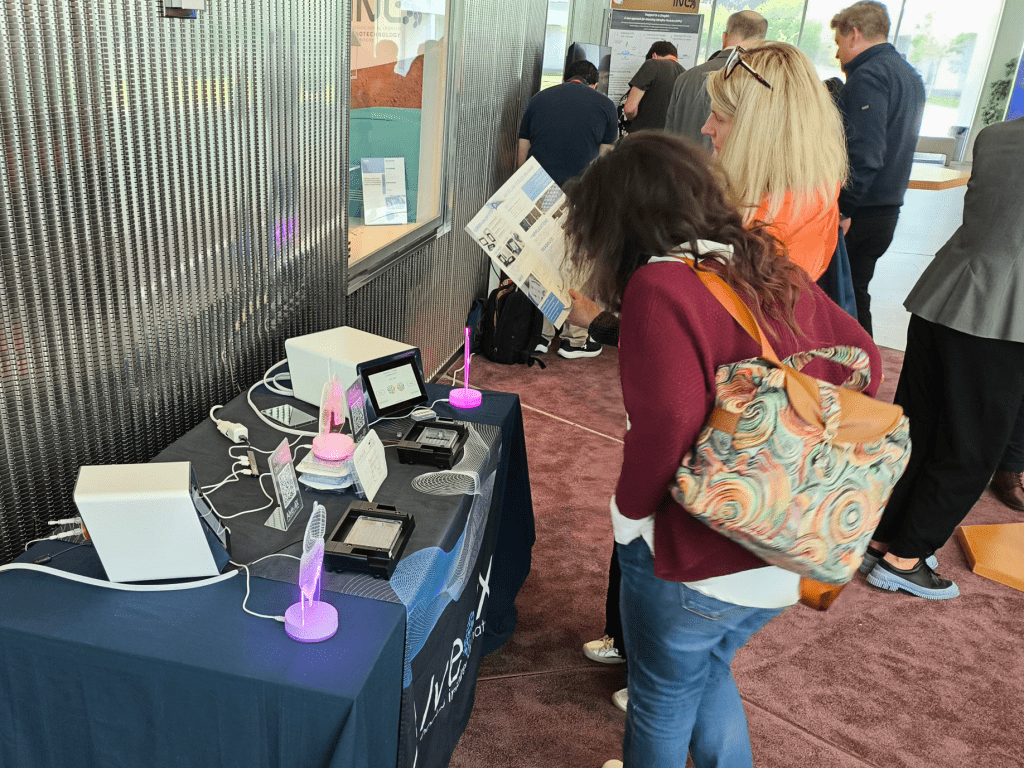
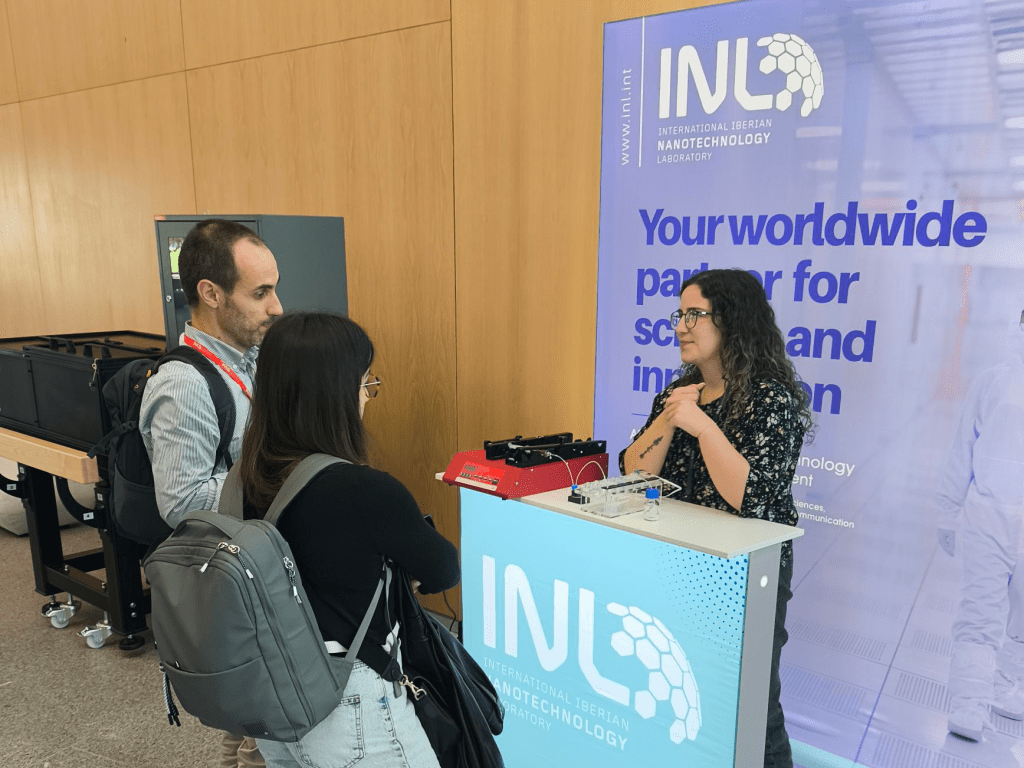
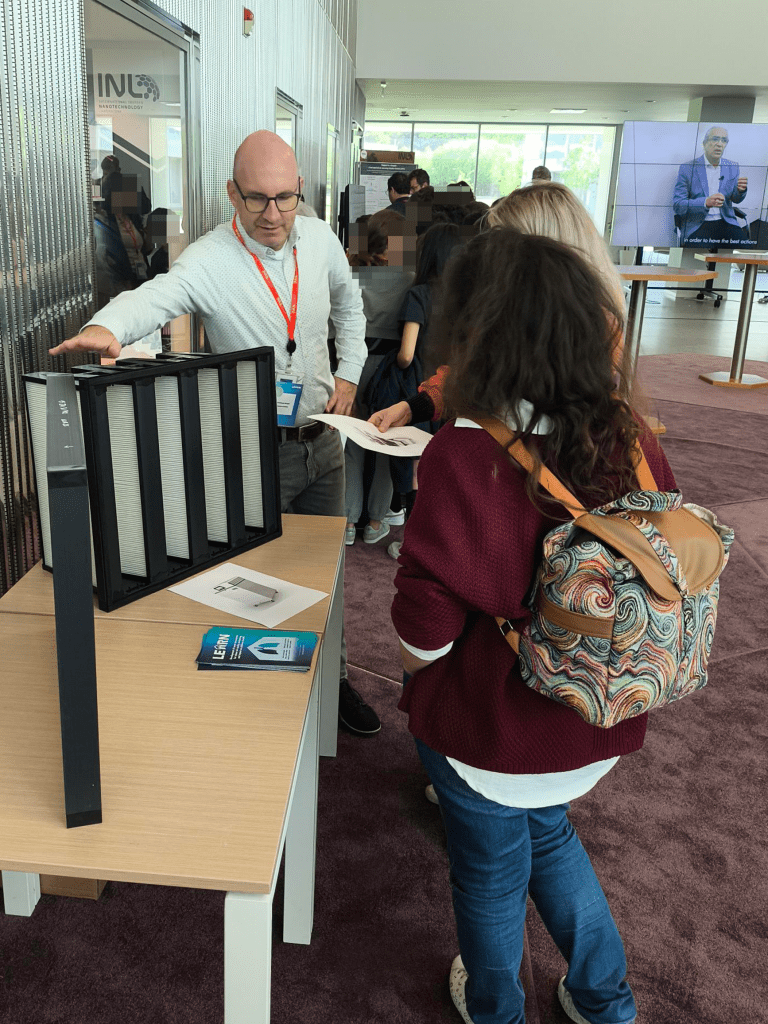
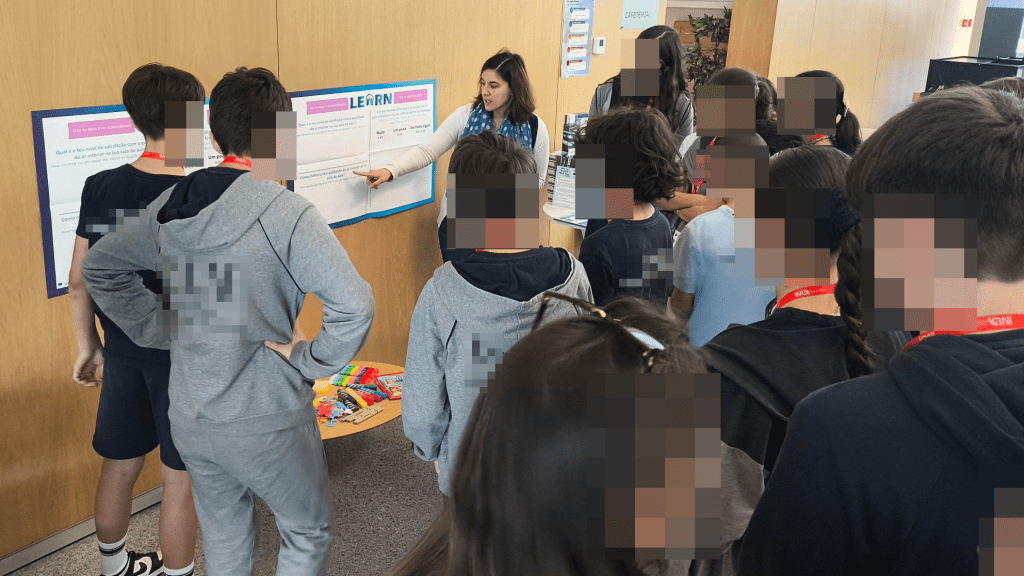
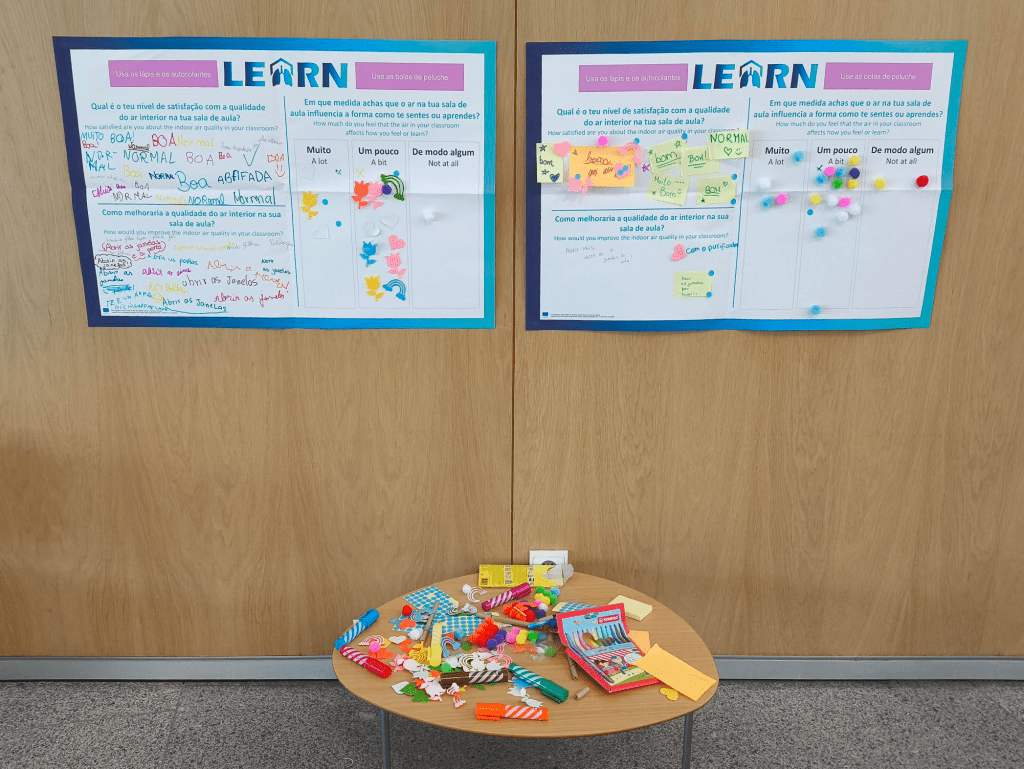
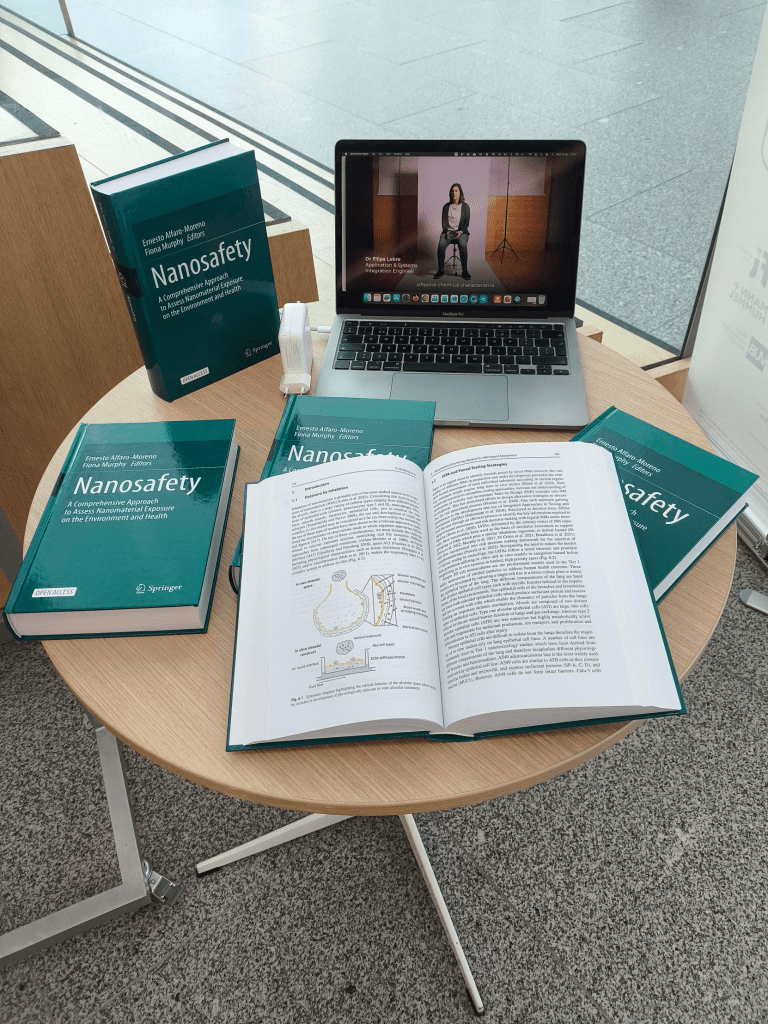
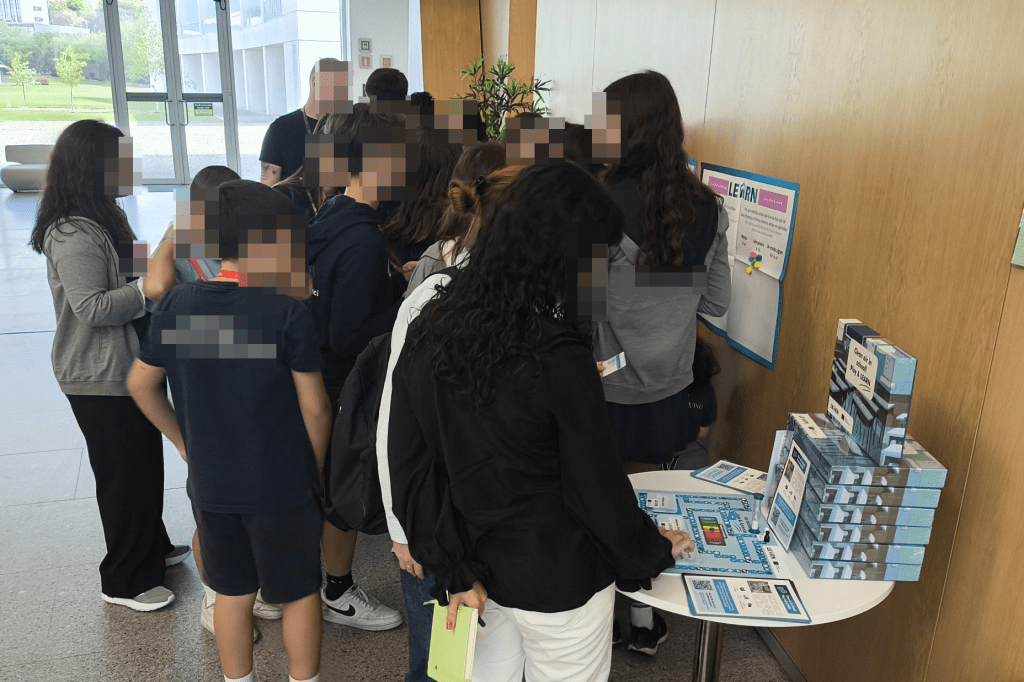
Participants attending in person had the opportunity to explore selected project developments, allowing direct interaction with researchers and hands-on insight into the technologies developed within the project. They were joined by a group of children from a local school in Braga, who enjoyed learning about our findings and interacting with the different tools, including:
- The cognitive tests used in our indoor air quality cohorts at schools
- Our novel sensing technologies for pollution coming from VOCs and UFPs
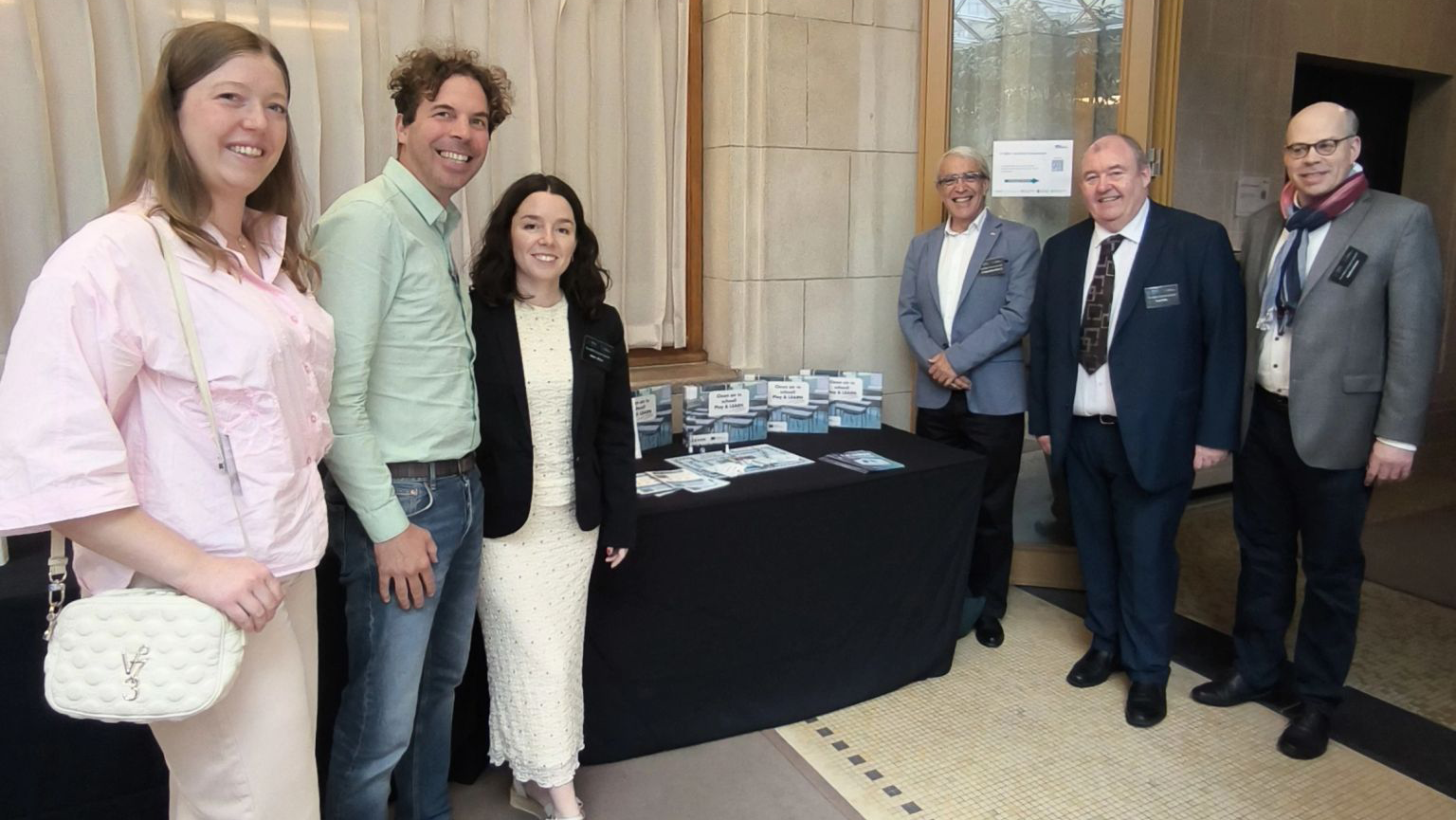
- Our board game and participatory policymaking tools
- The filters used in the air purifiers we optimised for schools
- A screening of the project’s promotional videos
- …and much more!