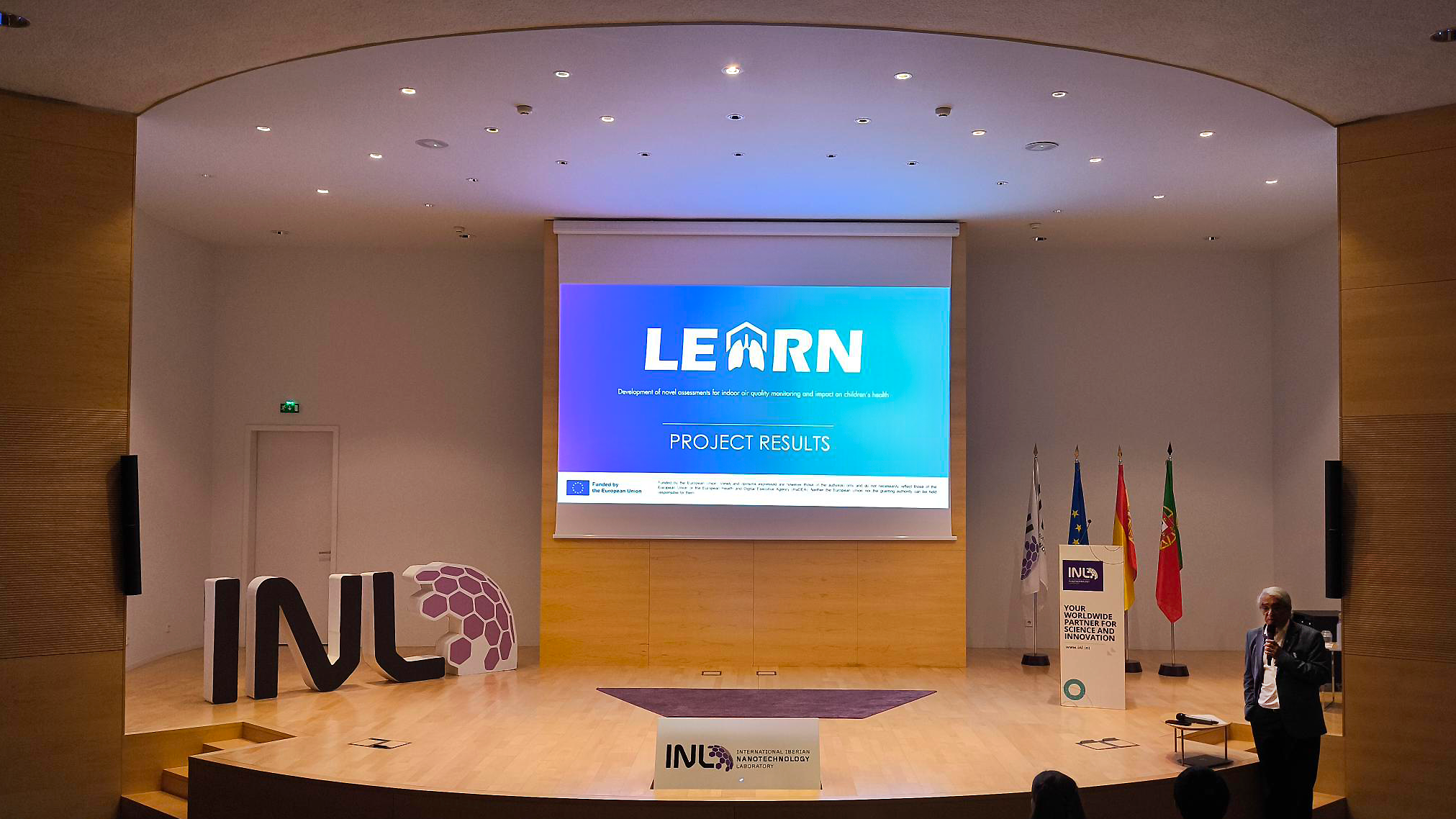
New results from the EU-funded LEARN project, presented at its Final Conference in Braga, Portugal, on 22 April 2026, reveal that improving indoor air quality in schools can directly enhance children’s health and learning potential, while also paving the way for new technologies and policies across Europe.
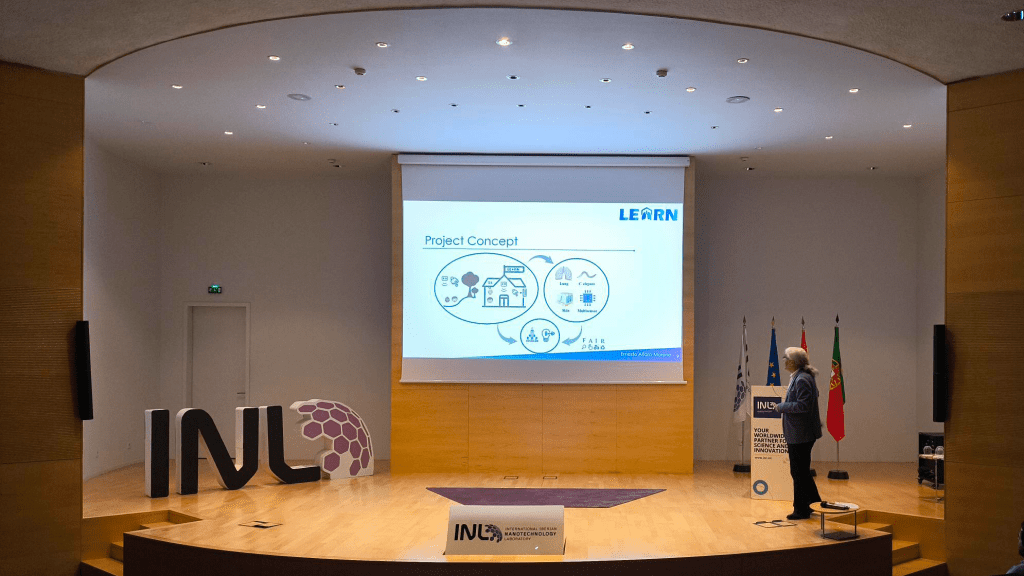
Coordinated by the International Iberian Nanotechnology Laboratory and bringing together leading universities and cutting-edge organisations, the project combines expertise from across science, engineering and health to tackle one of the most pressing environmental challenges for children.
After four years of research, the project provides one of the most comprehensive assessments to date of how air pollution inside classrooms affects children and, crucially, how it can be reduced.
Stronger evidence: indoor air quality makes a measurable difference
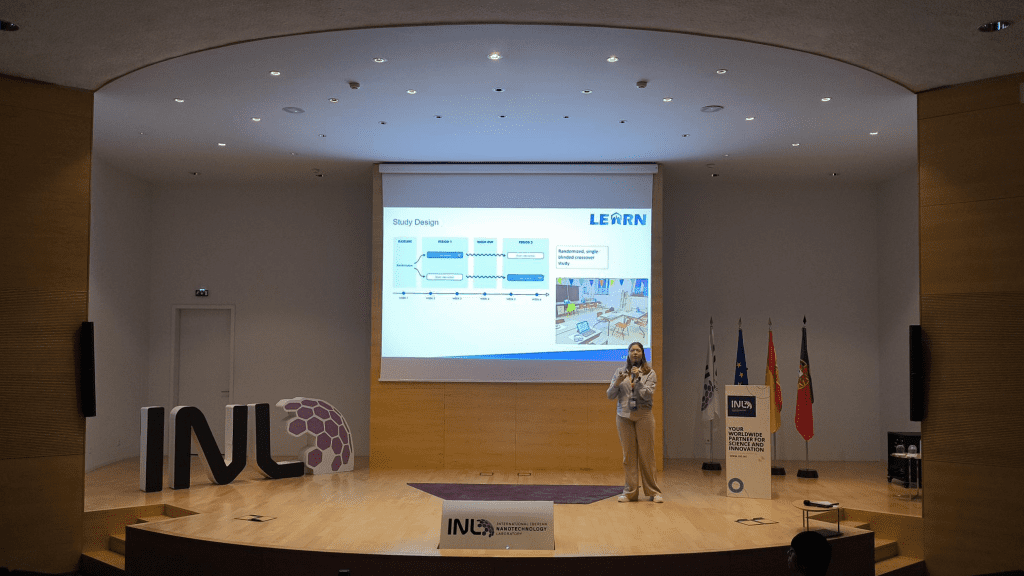
Through cohorts in schools across Belgium, Denmark and Greece, the LEARN project has demonstrated clear links between indoor air quality and children’s wellbeing.
The project has observed that improved indoor air quality is associated with better diastolic blood pressure in children, an important indicator of cardiovascular health. Moreover, cleaner air has been demonstrated to enhance learning conditions, supporting children’s cognitive performance and attention in classrooms.
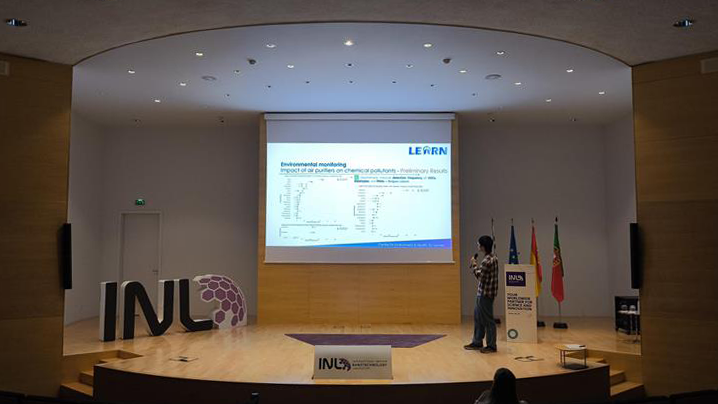
A central intervention, installing air purification systems in classrooms, proved highly effective. The results show significant reductions in airborne particles and chemical pollutants, including ultrafine particles (UFPs) and volatile organic compounds (VOCs), without negatively affecting classroom conditions such as temperature, humidity, or ventilation balance.
Building on this, the project has developed a new methodological framework to guide future biomonitoring initiatives, addressing long-standing challenges in comparing air quality studies. Moreover, it has set up a Data Hub to integrate datasets from multiple environmental studies at schools into a centralised, open-access platform with data visualisation tools.
Advanced technologies transforming indoor air quality monitoring and remediation
LEARN has delivered major technological advances that could reshape how indoor air pollution is measured and managed, enabling more accurate exposure assessment and more targeted interventions.
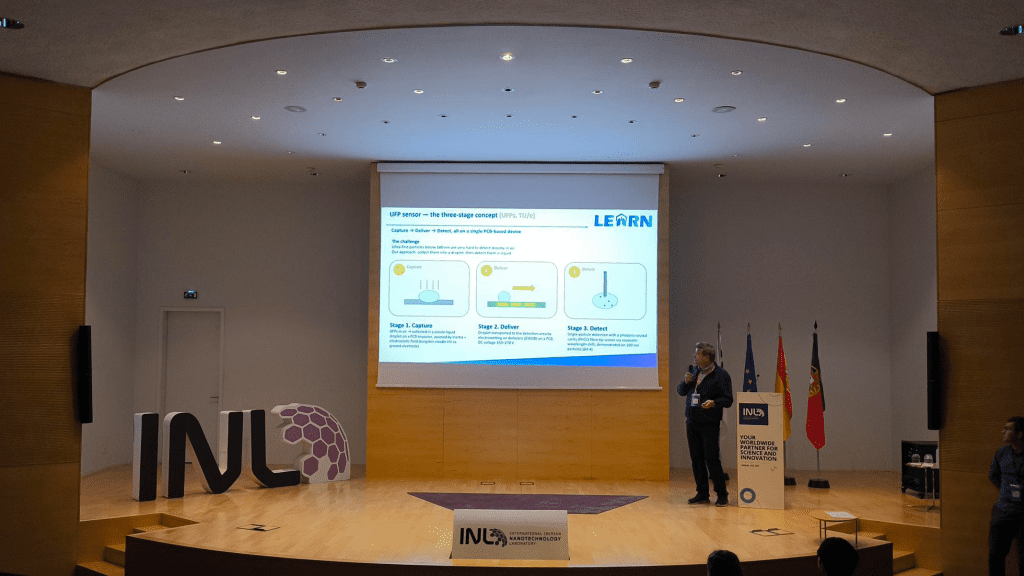
A novel UFP sensing system, based on fibre-tip optical technology, demonstrated the ability to detect particles as small as ~50 nanometres, far below the range of many conventional sensors. This breakthrough opens the door to high-resolution, low-cost monitoring systems that could be widely deployed in schools and other indoor environments.
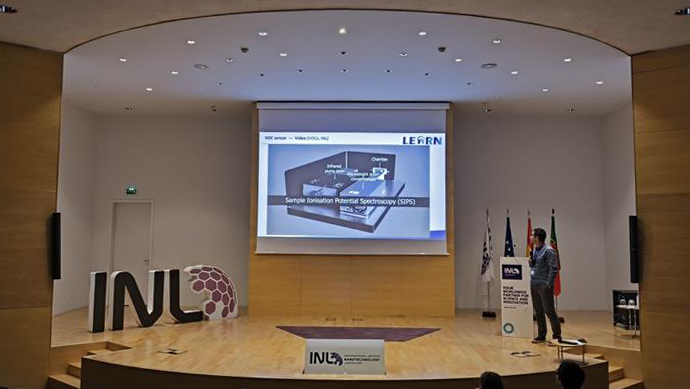
A new generation of VOC sensors, using an innovative technique known as SIPS, enables real-time, molecule-specific detection of harmful gases. Unlike traditional sensors that provide only total VOC levels, this approach can distinguish among individual compounds, which is critical, as toxicity varies significantly between substances.
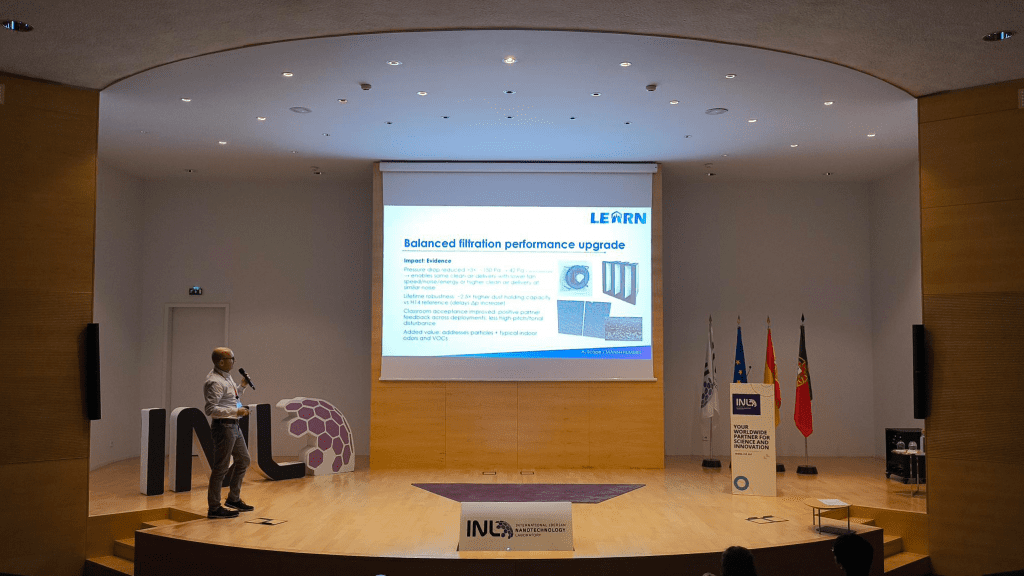
Air purification systems were optimised to make them more suitable for everyday school use. By refining the fan operation and control settings, the team reduced high-pitched noise levels that can distract students. At the same time, the filtration system was optimised using a lower-resistance particle filter combined with an activated carbon pre-filter, improving the removal of both particles and gaseous pollutants while reducing energy consumption.
New insights into how poor indoor air quality affects the human body
The project has also advanced understanding of the biological impact of air pollution using cutting-edge models, which not only improve scientific accuracy but also reduce reliance on animal testing, aligning with emerging ethical and regulatory standards.
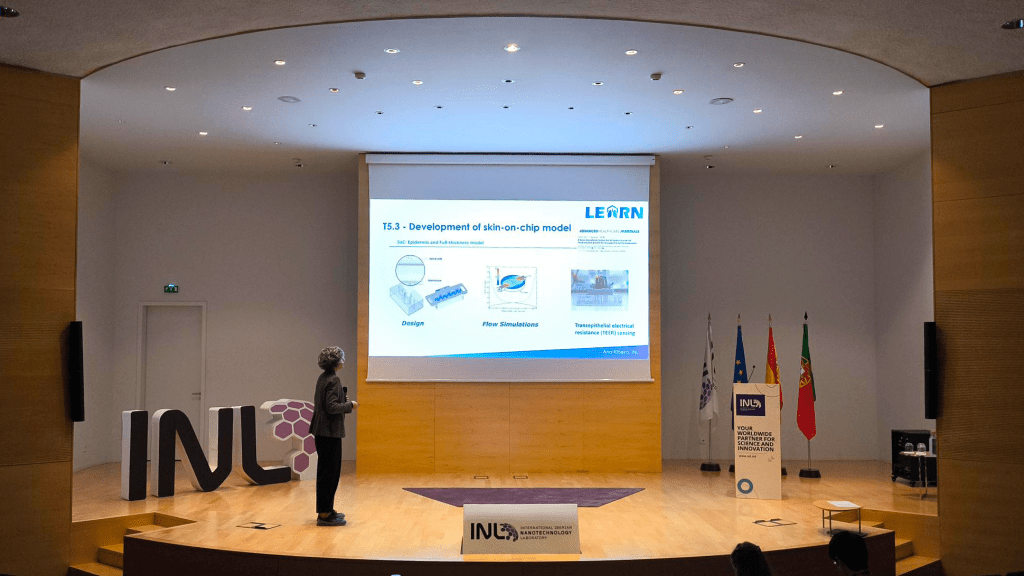
Human-relevant in vitro systems, including lung-on-chip and skin-on-chip platforms, were used to study how pollutants interact with human tissues in real time. A newly developed cytotoxicity sensing prototype allowed researchers to detect early signs of inflammation and cellular stress in in vitro models.
Biological studies conducted using a C. elegans worm model revealed that exposure to pollutants can trigger developmental delays and neurobehavioral changes, reinforcing concerns about long-term impacts on children.
Practical solutions ready for deployment
The LEARN project has translated its findings into concrete, actionable solutions for schools. It has delivered major technological advances, including innovative tools for more accurate monitoring of indoor air pollution, alongside optimised air purification systems that are quieter and more energy-efficient, making them suitable for everyday classroom use. These developments are complemented by an open-access, multi-lingual educational board game, designed to help children understand indoor air quality and encourage positive behavioural change.
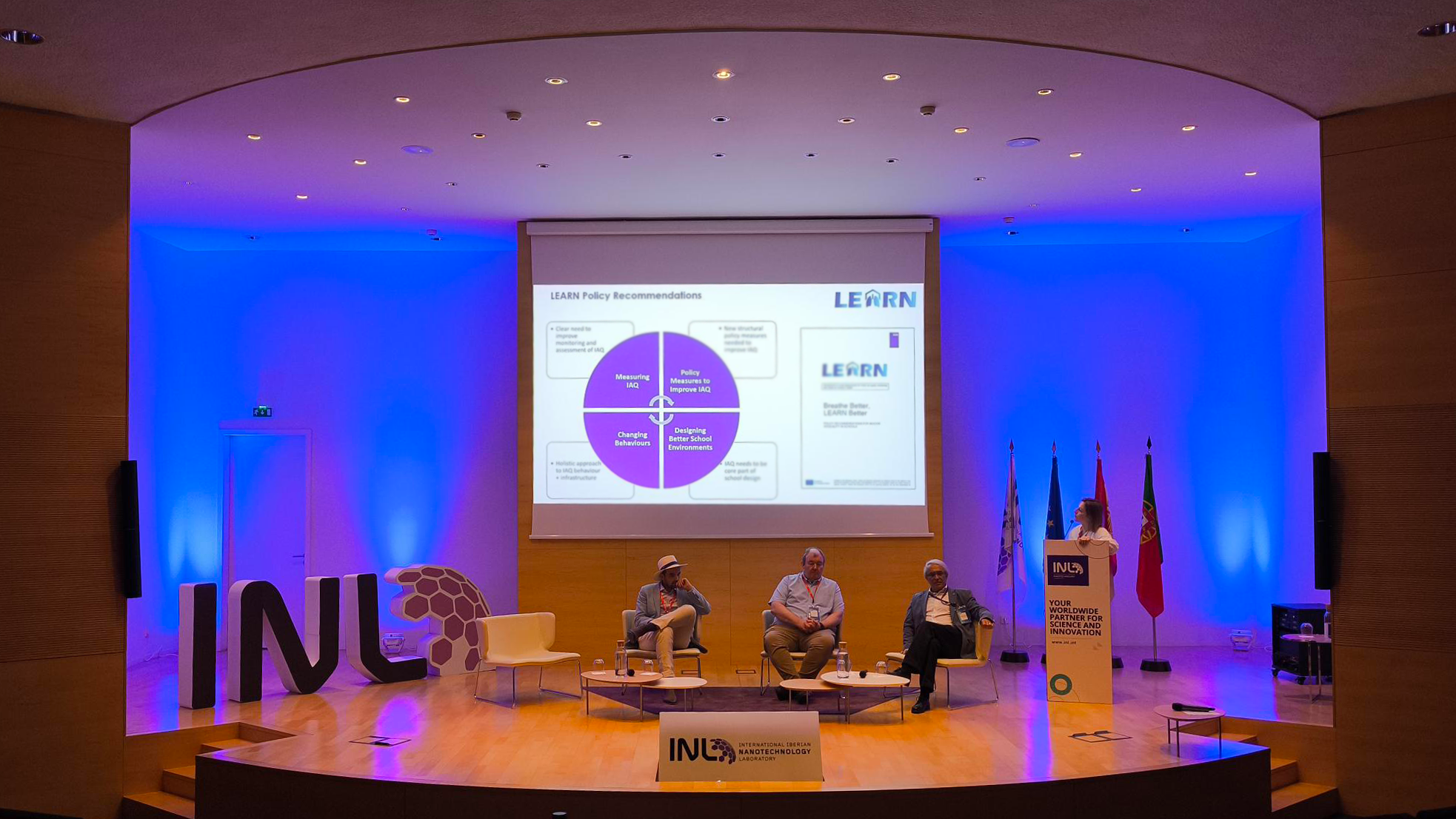
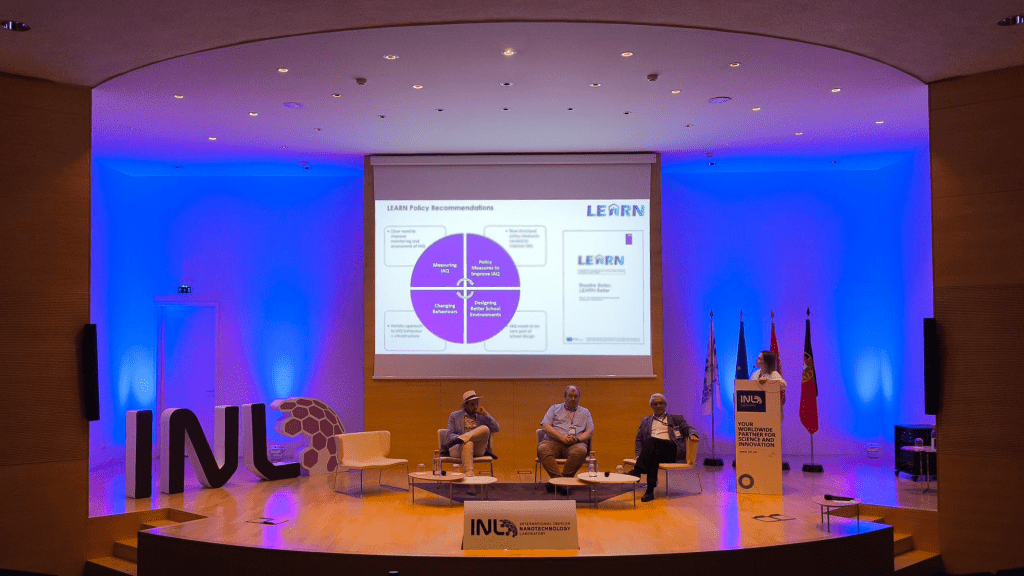
Based on its findings, the project also provides a comprehensive set of technical, behavioural and policy recommendations, emphasising that indoor air quality must be addressed as a system, through improved ventilation, continuous monitoring, increased awareness, and clear standards.
“Our results show that improving indoor air quality is not only achievable, but that it delivers immediate benefits for children’s health and their ability to learn. This is evidence that can, and should, drive change across Europe.” – Ernesto Alfaro-Moreno, Head of Nanosafety at the International Iberian Nanotechnology Laboratory and coordinator of the LEARN project.