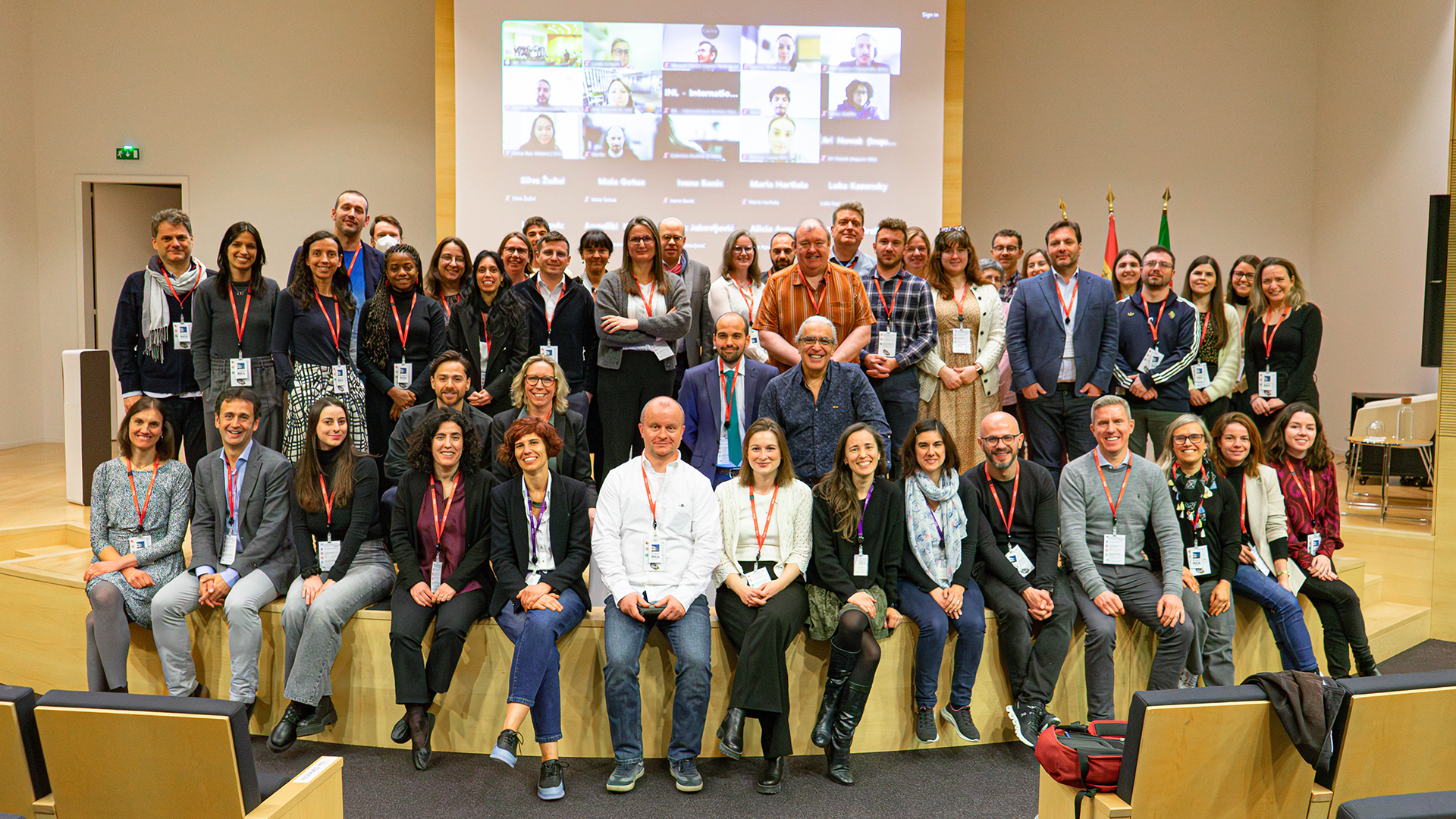
The IDEAL Cluster for Indoor Air Quality and Health celebrated its second Annual Meeting last March 25th-26th 2025 in Braga, Portugal, with the aim of optimising synergies and increasing the impact of a series of Horizon Europe projects dealing with indoor air quality and health.
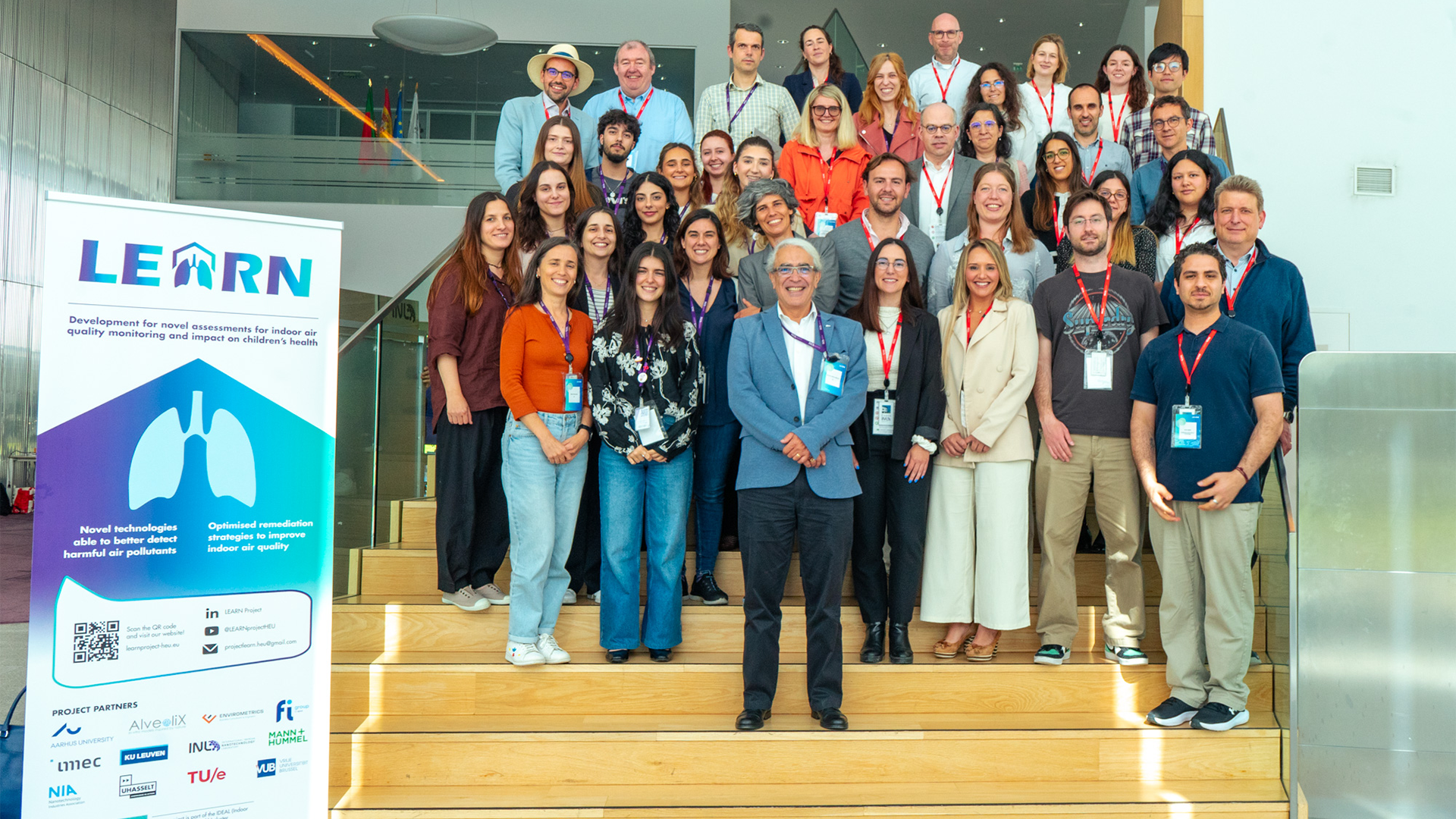
This year, the Annual Meeting was hosted by the LEARN project at the facilities of its coordinator, the International Iberian Nanotechnology Laboratory (INL), which currently coordinates the IDEAL Cluster as a whole for the period from September 2024 to April 2025. It counted on the participation of around 50 researchers and R&I professionals in the representation of the 7 projects and 8 working groups of the cluster, adding to those who connected online.
Among the on-site participants were 10 LEARN project members from its partner organisations INL, FI Group, VUB, TU/e, MANN+HUMMEL and NIA, who presented their progress on air pollution sensors, in-vitro models, and skin-on-a-chip and multi-sensing approaches, as well as the preliminary results of the cohorts at Belgian schools, and some impactful communication activities.
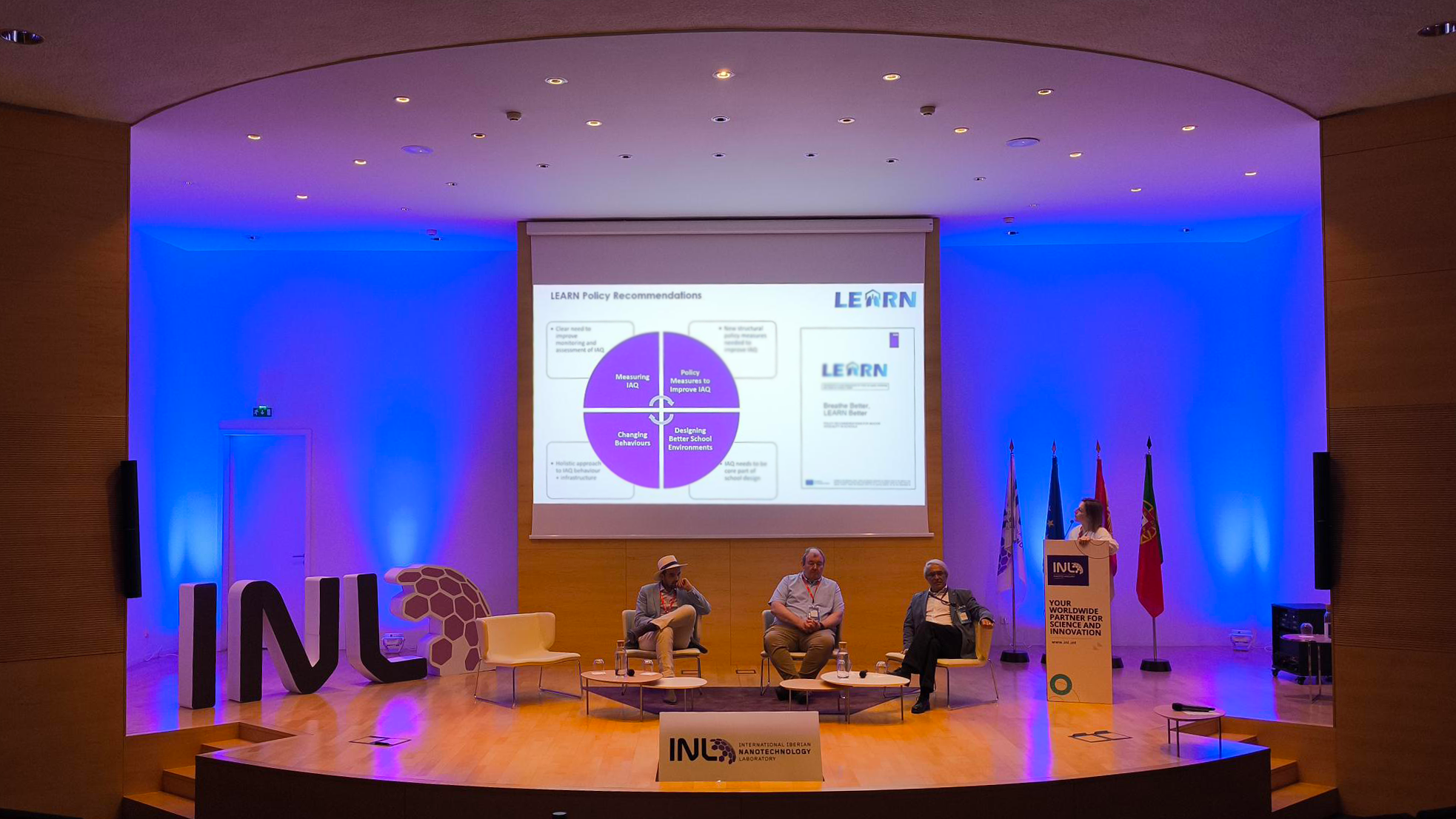
Other presentations and discussions concerned policy recommendations on indoor air quality, data exchange practices, communication collaborations, innovative sensor developments, guidelines and standardisation efforts, and the possibility of creating a global indoor air quality index.
The European Commission was also present through the project officer Rita Araujo from the DG for Research and Innovation, Marco Morini from the DG for Energy, and Lorena Korosec and Stylianos Kephalopoulos from the DG for Environment.
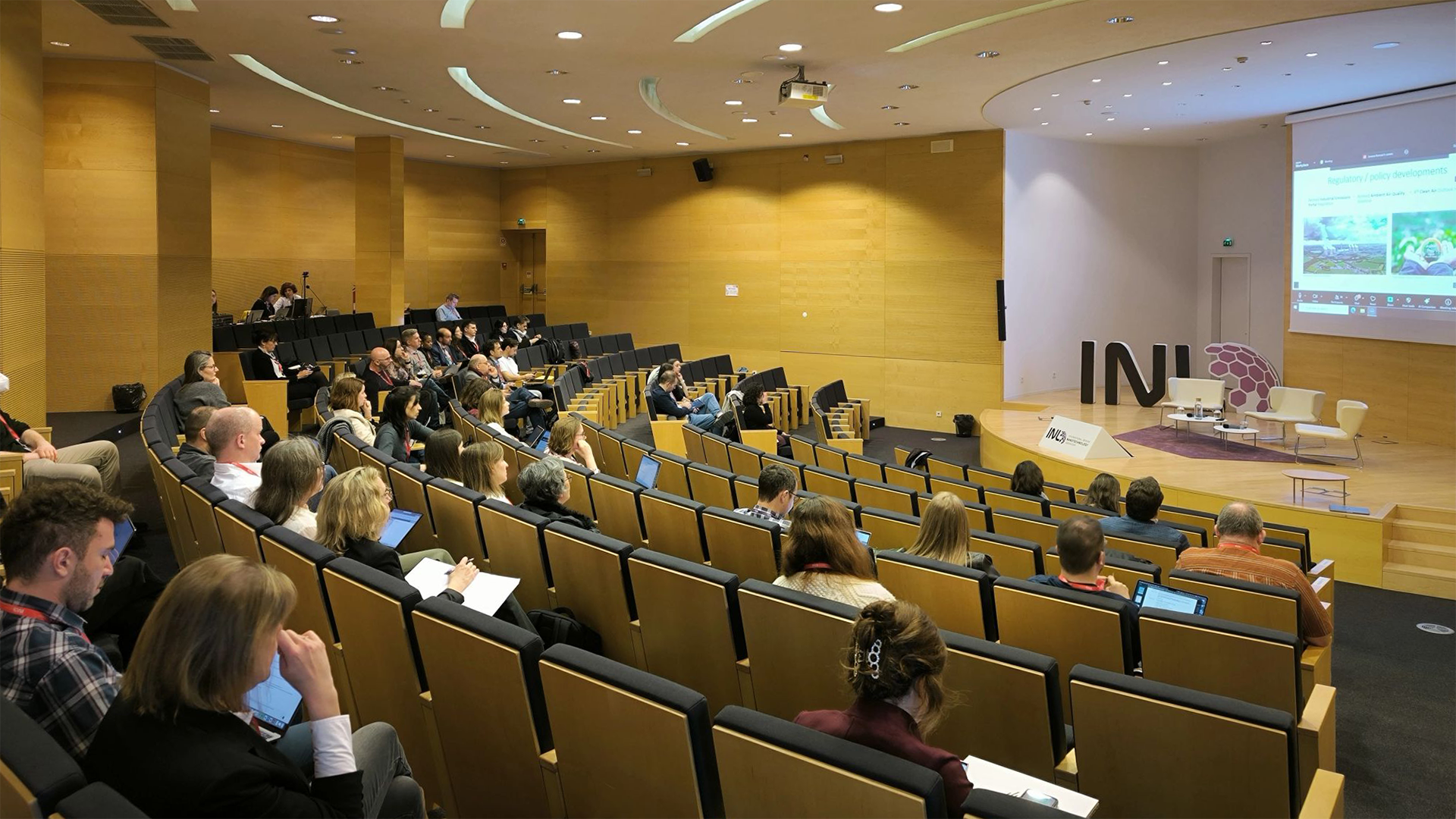
The meaningful contributions of the LEARN project
Besides hosting the Annual Meeting, the LEARN project actively participated in many presentations and discussions about a wide range of topics.
Overall progress
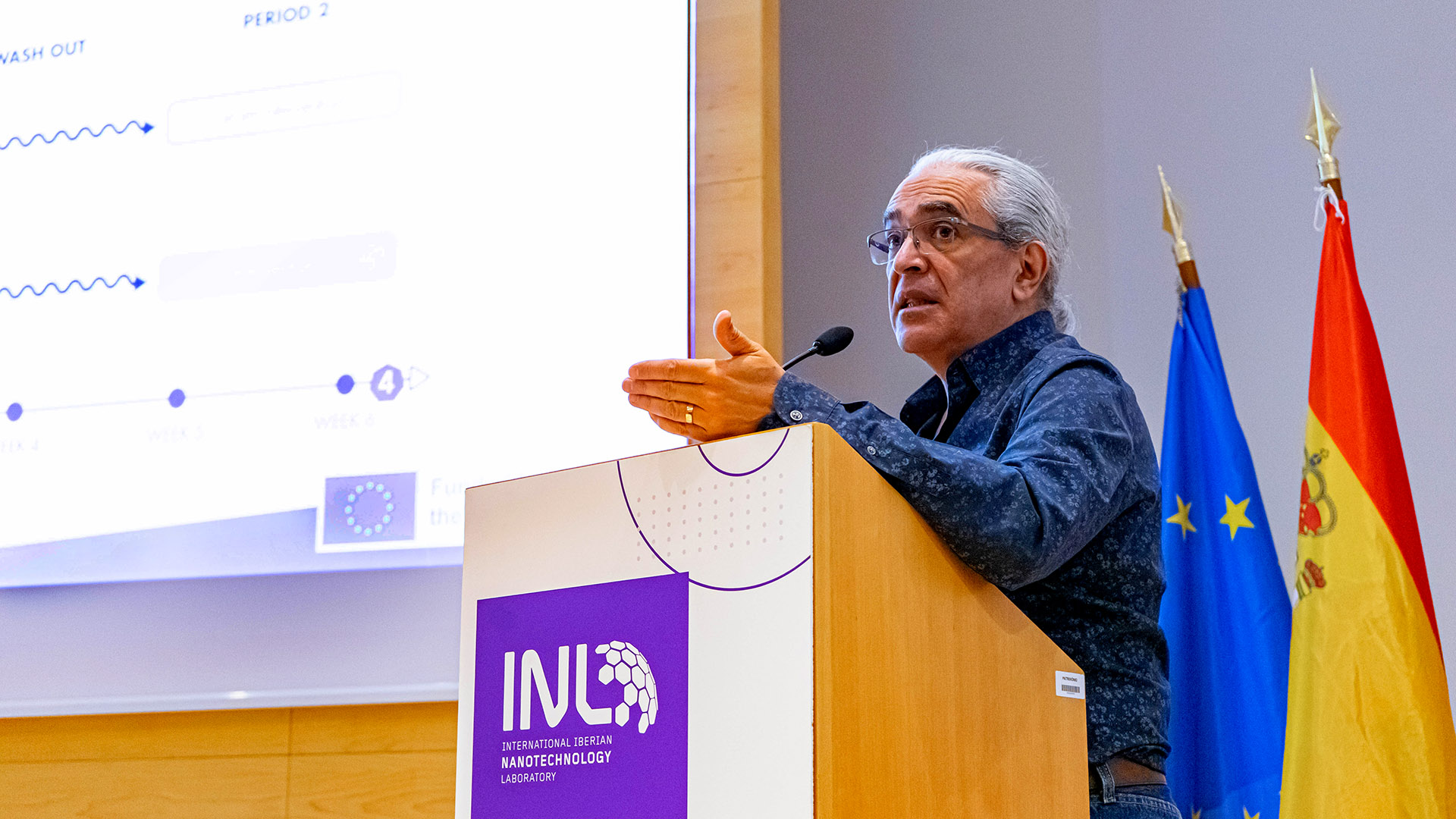
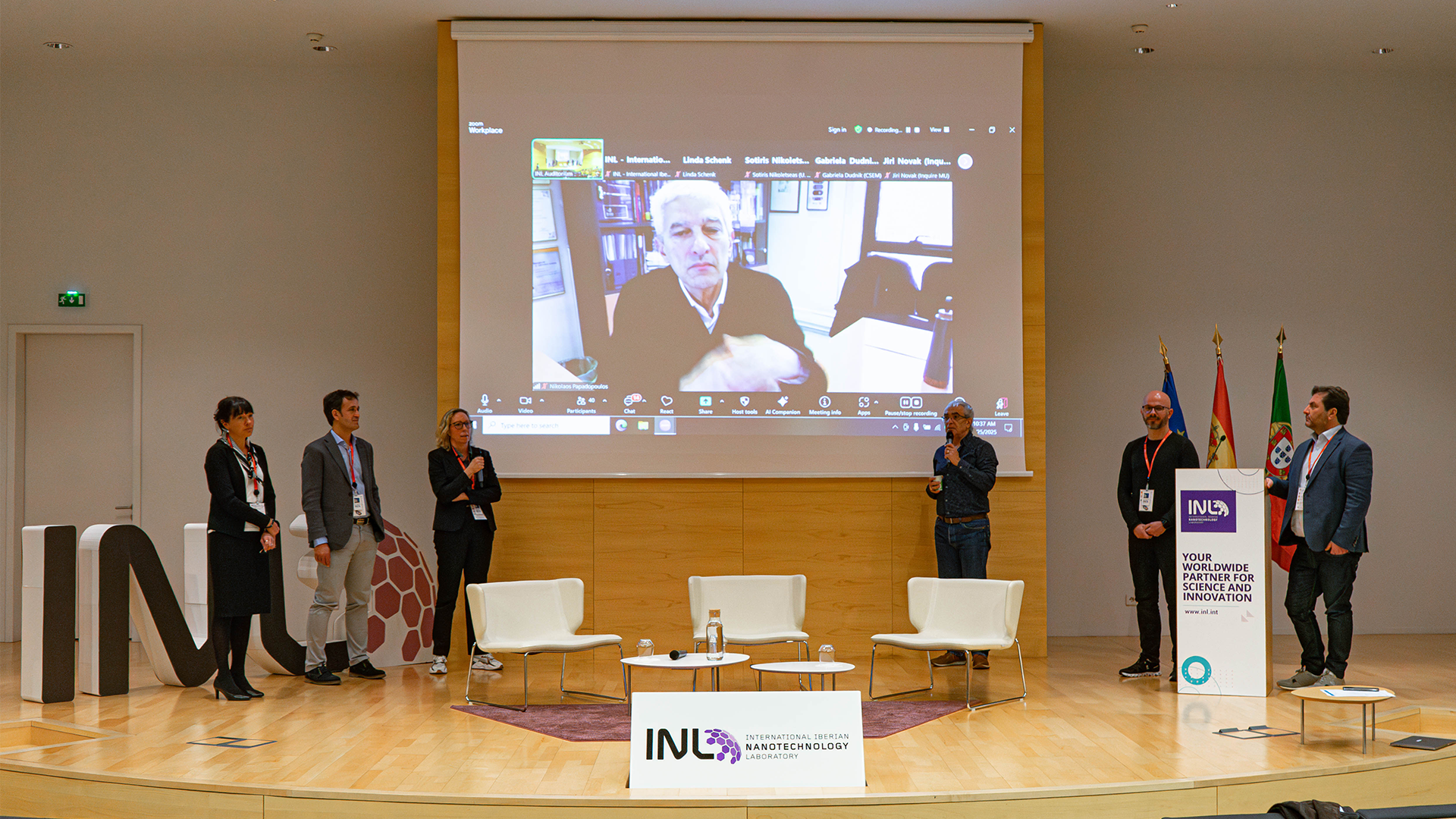
To start with, its coordinator Ernesto Alfaro-Moreno (INL) presented the overall progress of the LEARN project and participated in a round table with all the other coordinators, including Heidi Salonen from InChildHealth, Pernilla Bohlin Nizzetto from INQUIRE, José Fermoso Domínguez from K-HEALTHinAIR, Nikolaos Papadopoulos from SynAir-G, Stylianos Karatzas from TwinAir, and Mario Lovric from EDIAQI.
Communication activities
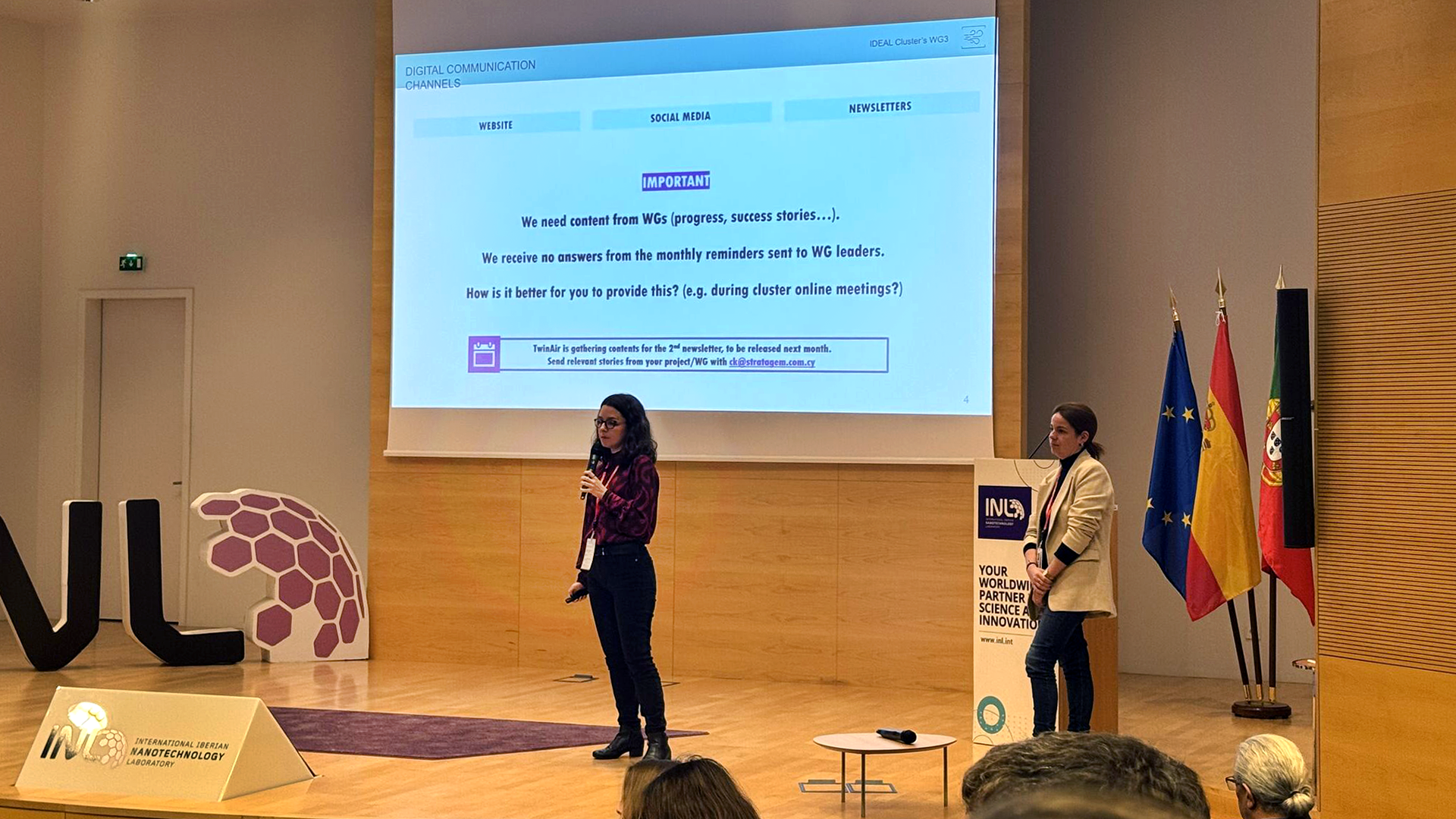
Marina Marcos (FI Group) presented the progress of the IDEAL cluster’s communication activities as co-leader of its dedicated working group, together with Renata Cervantes from the InChildHealth project.
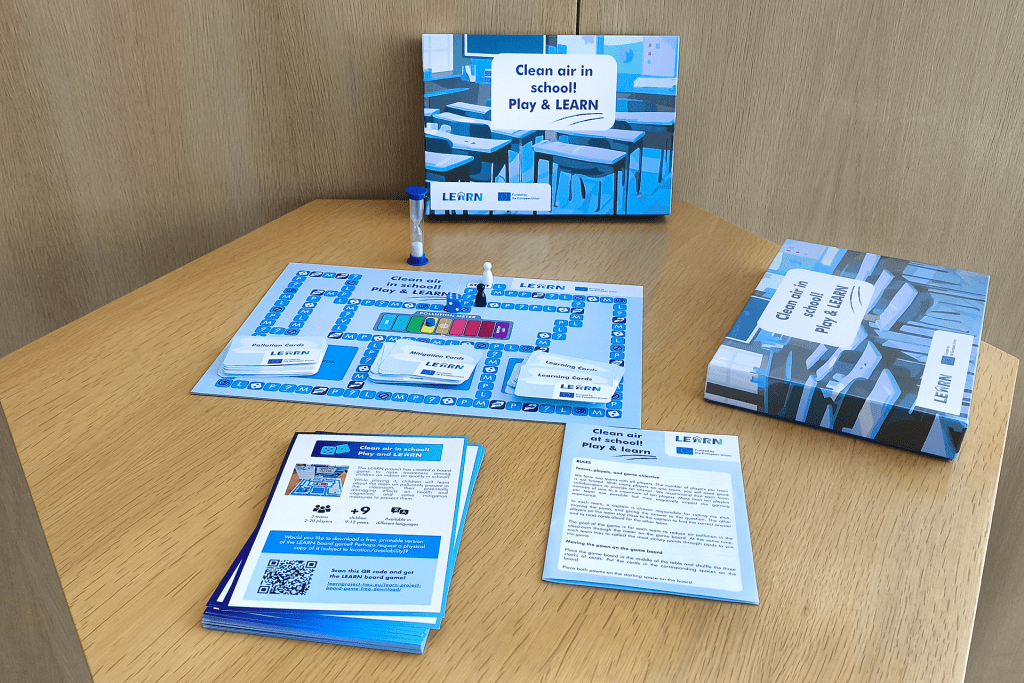
Then, Marina presented, with Carina Veeckman (VUB), some success stories and good practices from the LEARN project communications, including its board game, its strategy for digital content, and the collaboration practices with all consortium partners.
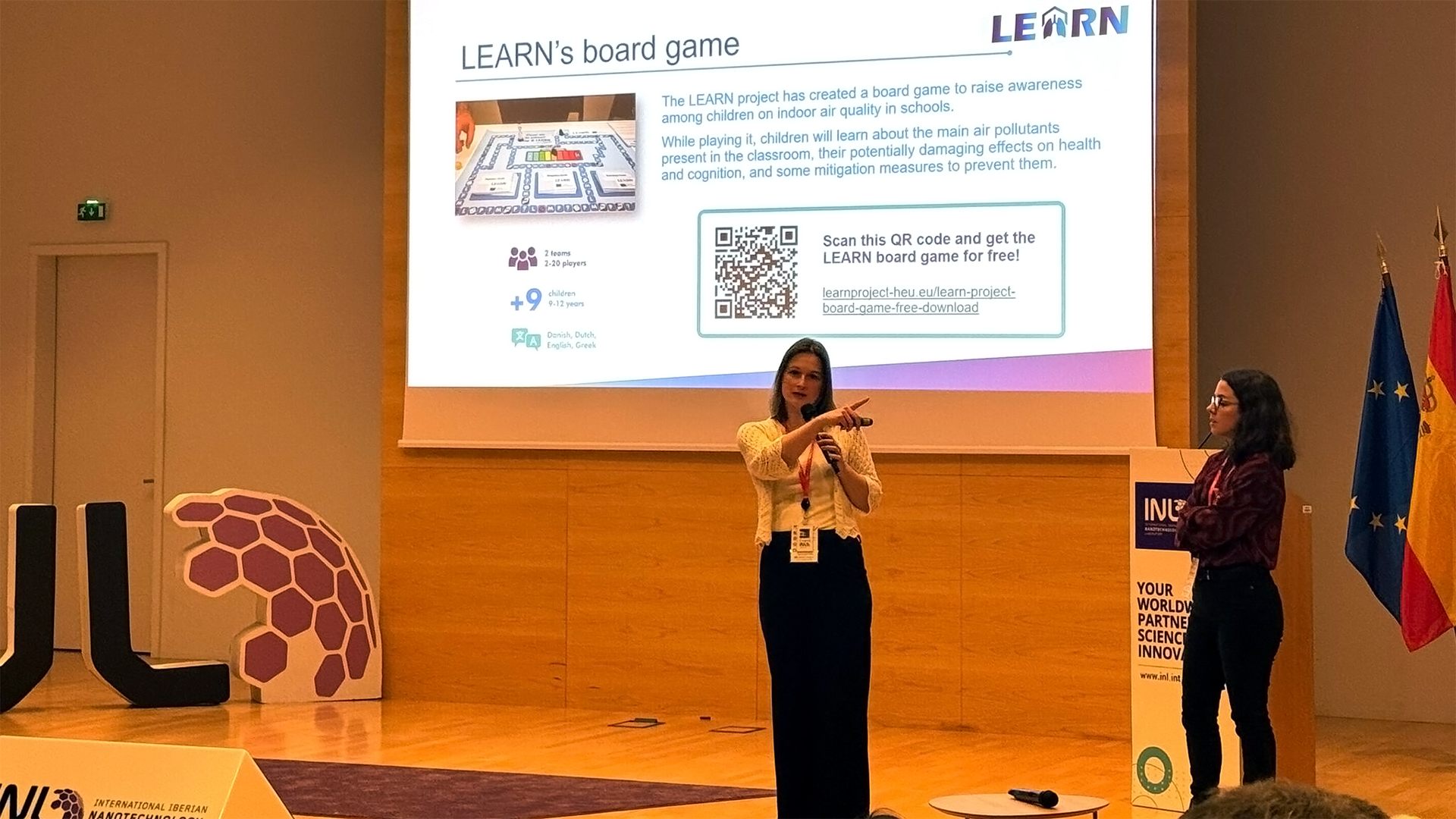
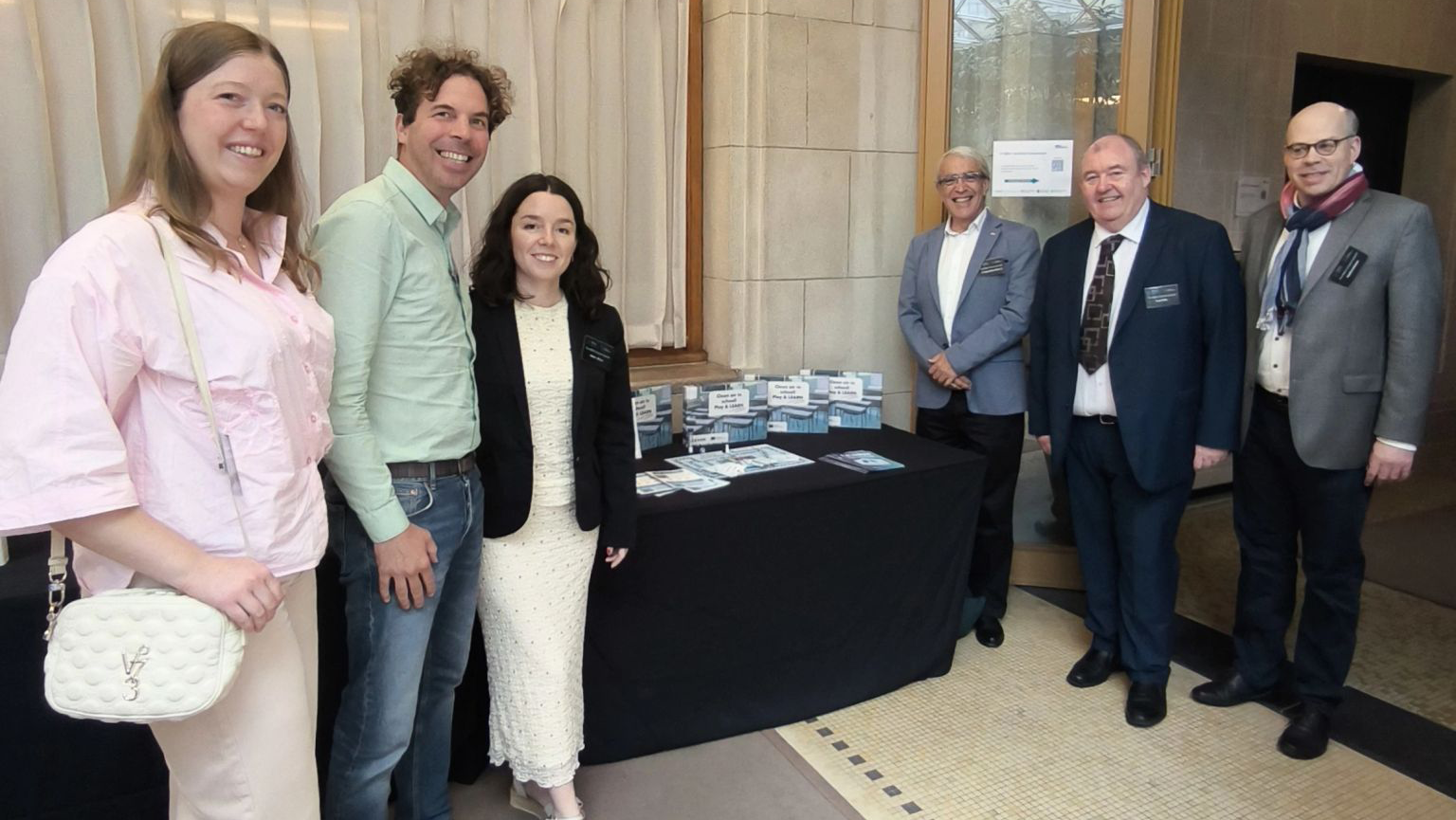
Moreover, the LEARN project’s indoor air quality board game for children was displayed in the event hall, where all participants could test it and explore potential cross-project collaborations.
Sensors for air pollutants
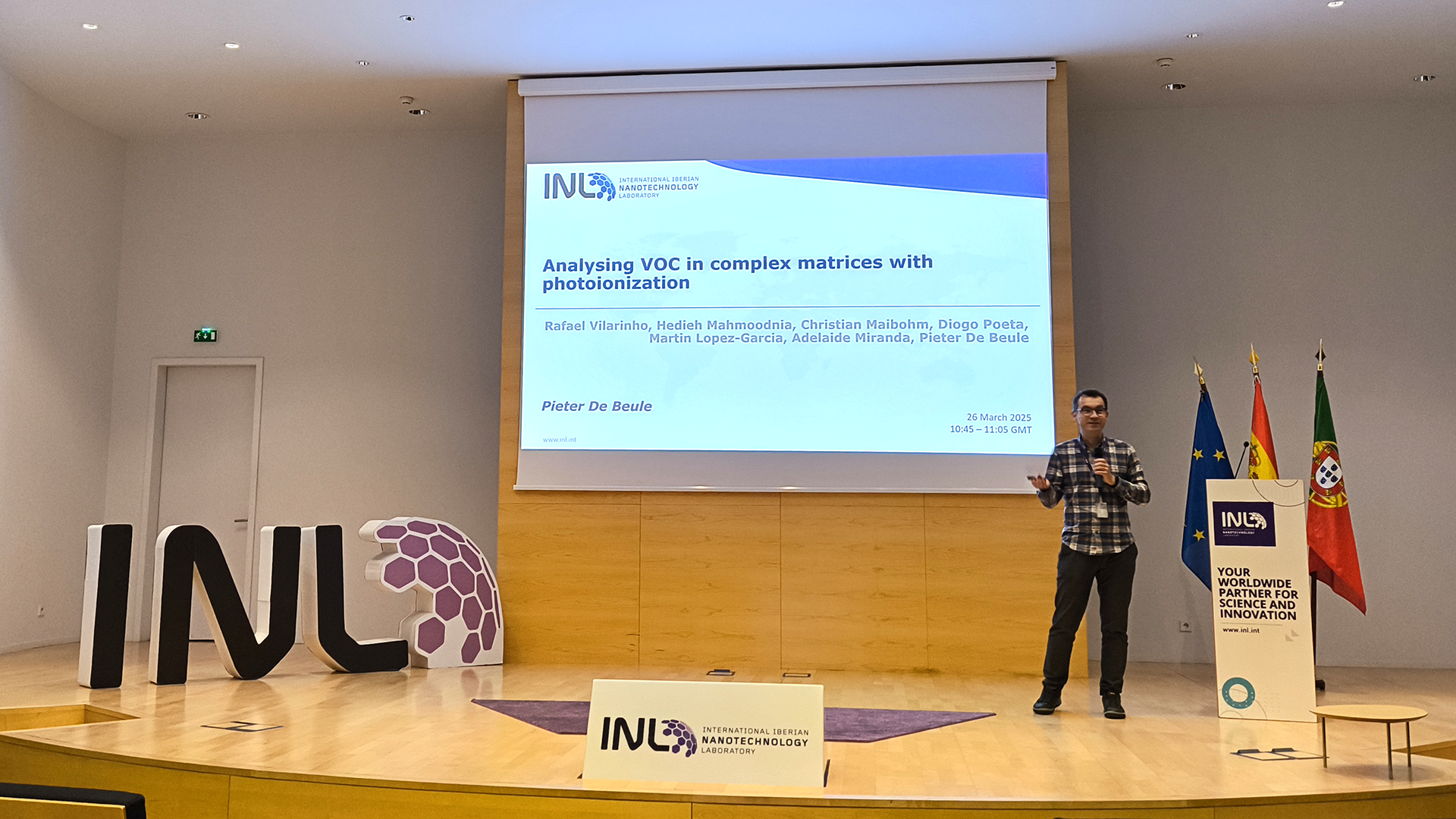
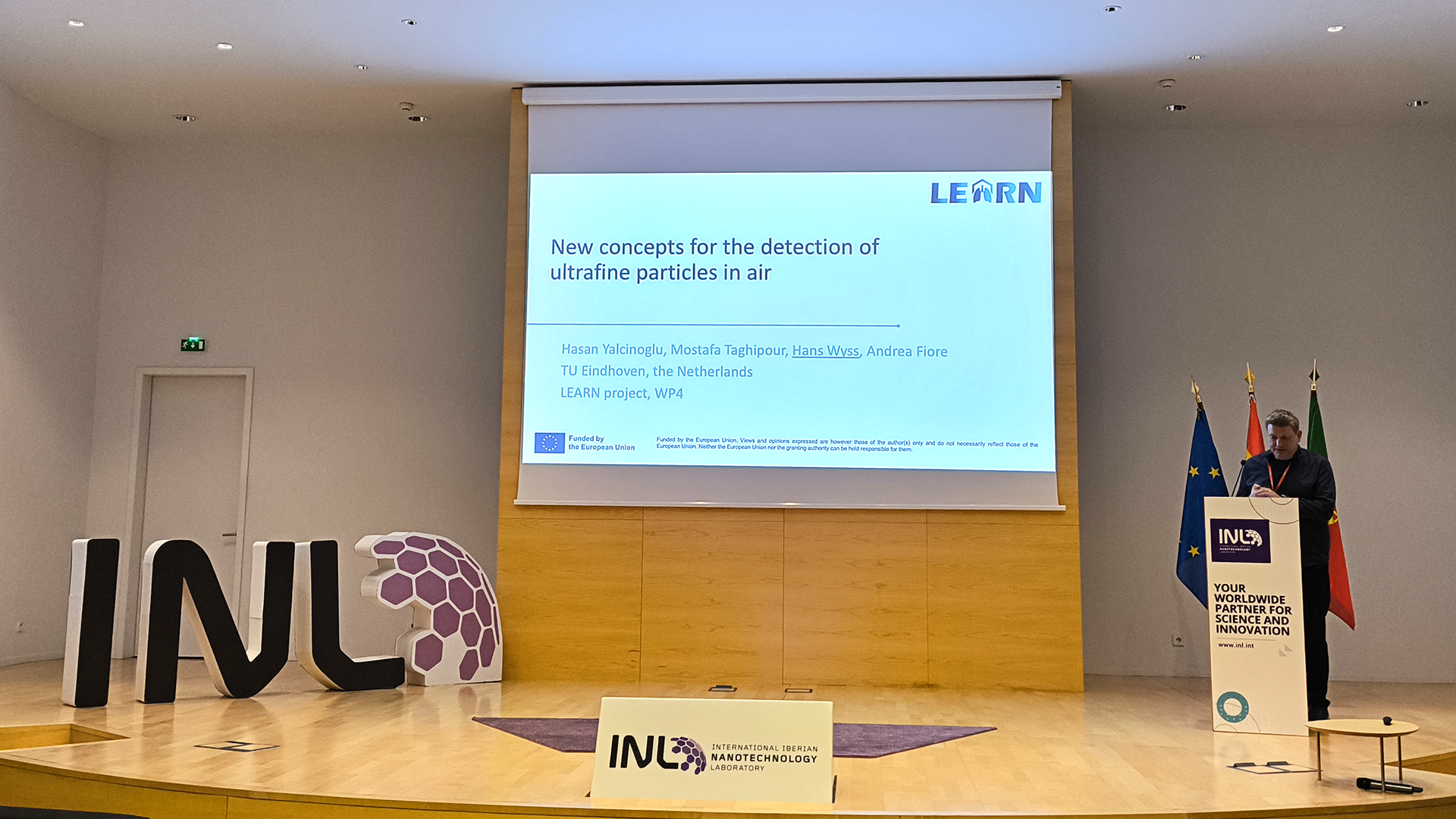
In the session on sensors, Hans Wyss (TU Eindhoven) presented the new concepts for the detection of ultrafine particles (UFPs) in the air developed within the LEARN project. After this, Pieter de Beule (INL) spoke about analysing volatile organic compounds (VOCs) in complex matrices with photoionisation.
Health outcomes and in-vitro models
As part of the health outcomes session, Ernesto Alfaro-Moreno (INL) presented some preliminary results from the LEARN project cohorts at schools in Belgium, on behalf of Hasselt University and KU Leuven.
Then, Ana Ribeiro (INL) presented the progress of the IDEAL cluster regarding in-vitro models, as leader of its dedicated working group. Moreover, Ana shared the skin-on-a-chip and multi-sensing approaches of air pollutants in the LEARN project.
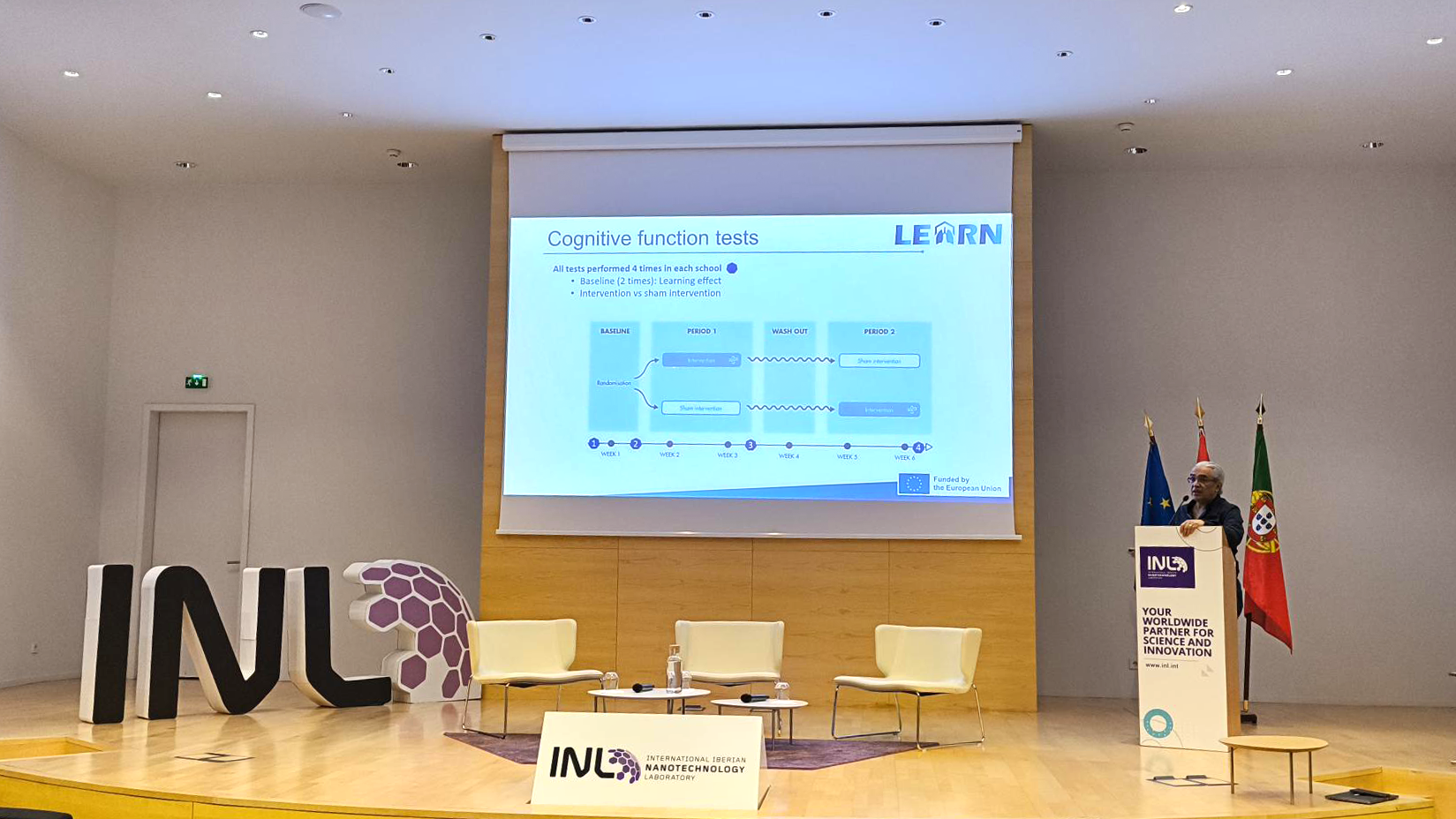
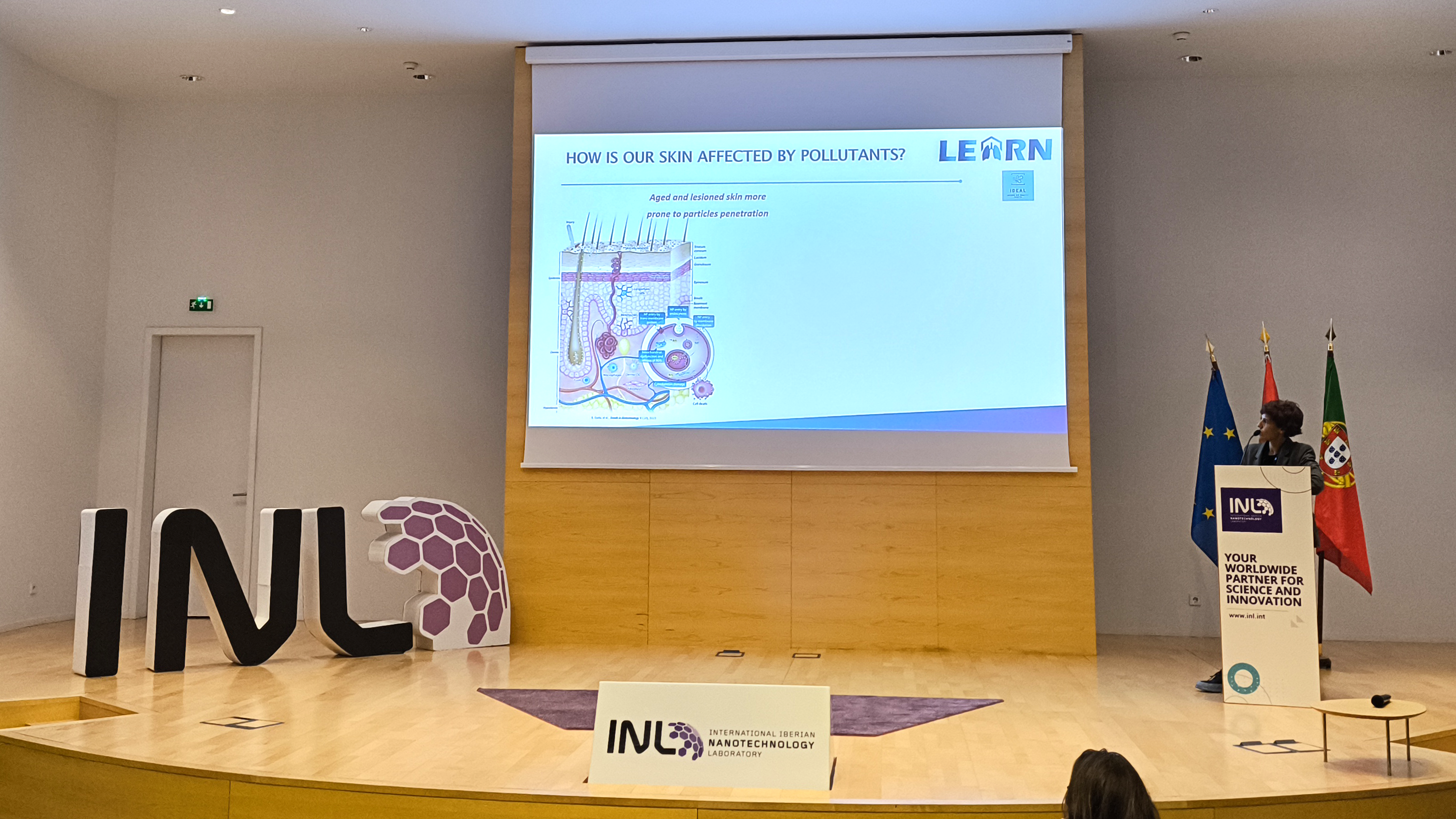
© Images by Rui Andrade and others.
The LEARN project is a Horizon Europe project meant to monitor and evaluate indoor air quality at schools around Europe and its impact on children’s health. Our main goal is to develop and deploy novel sensors that can detect possibly harmful air pollutants, as well as advanced biosensors and optimised air remediation strategies. Find out more about our EU-funded