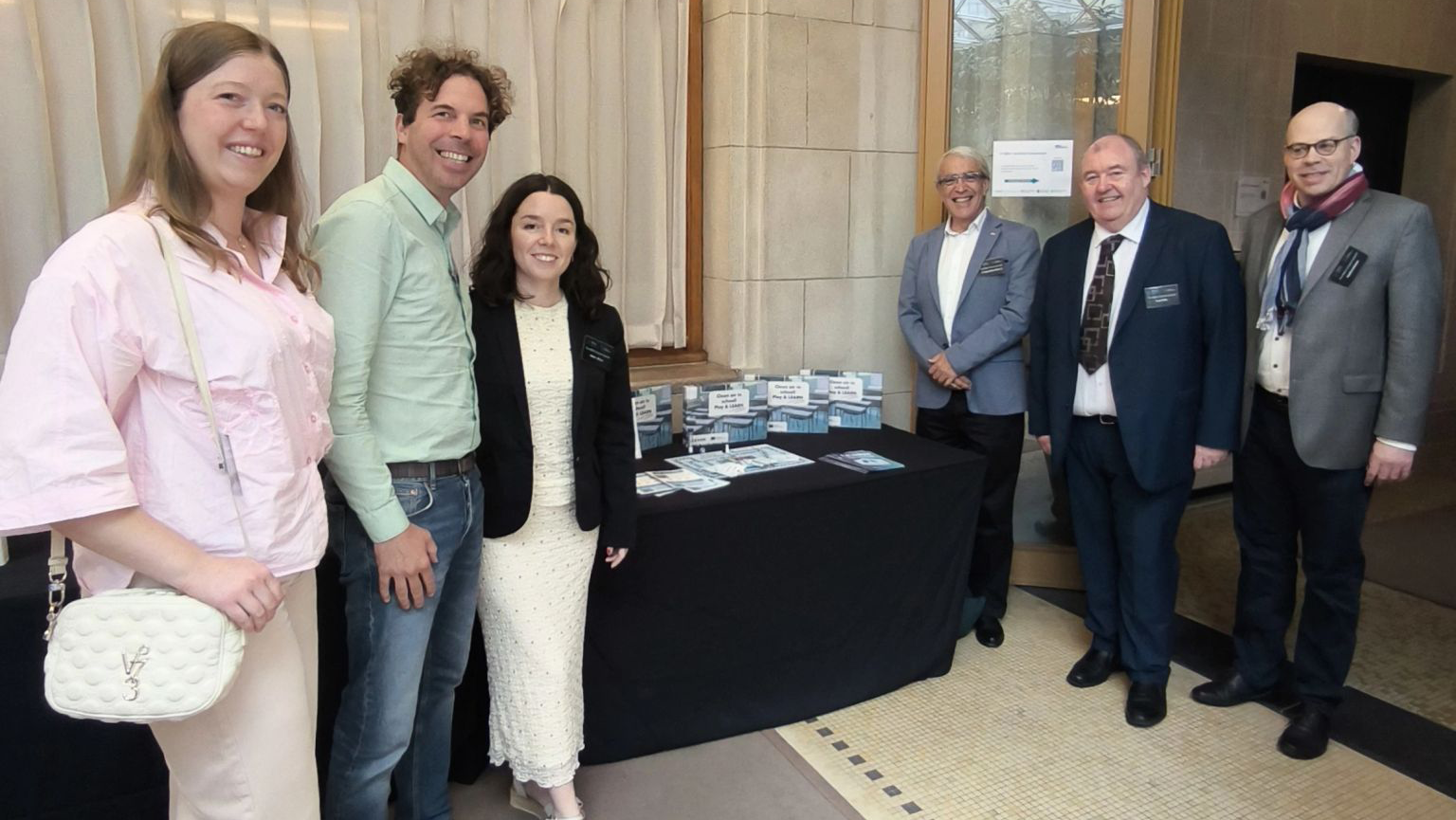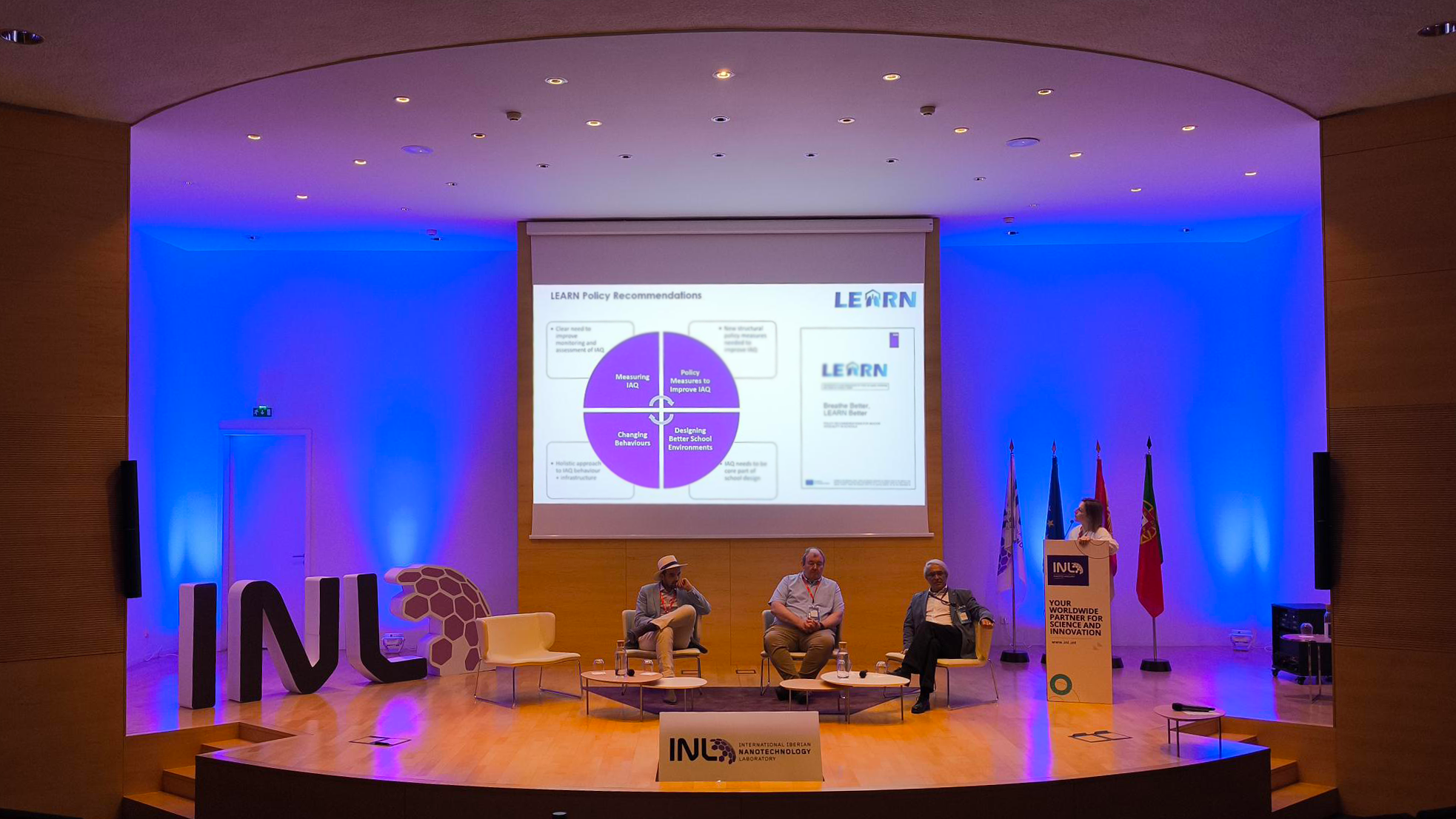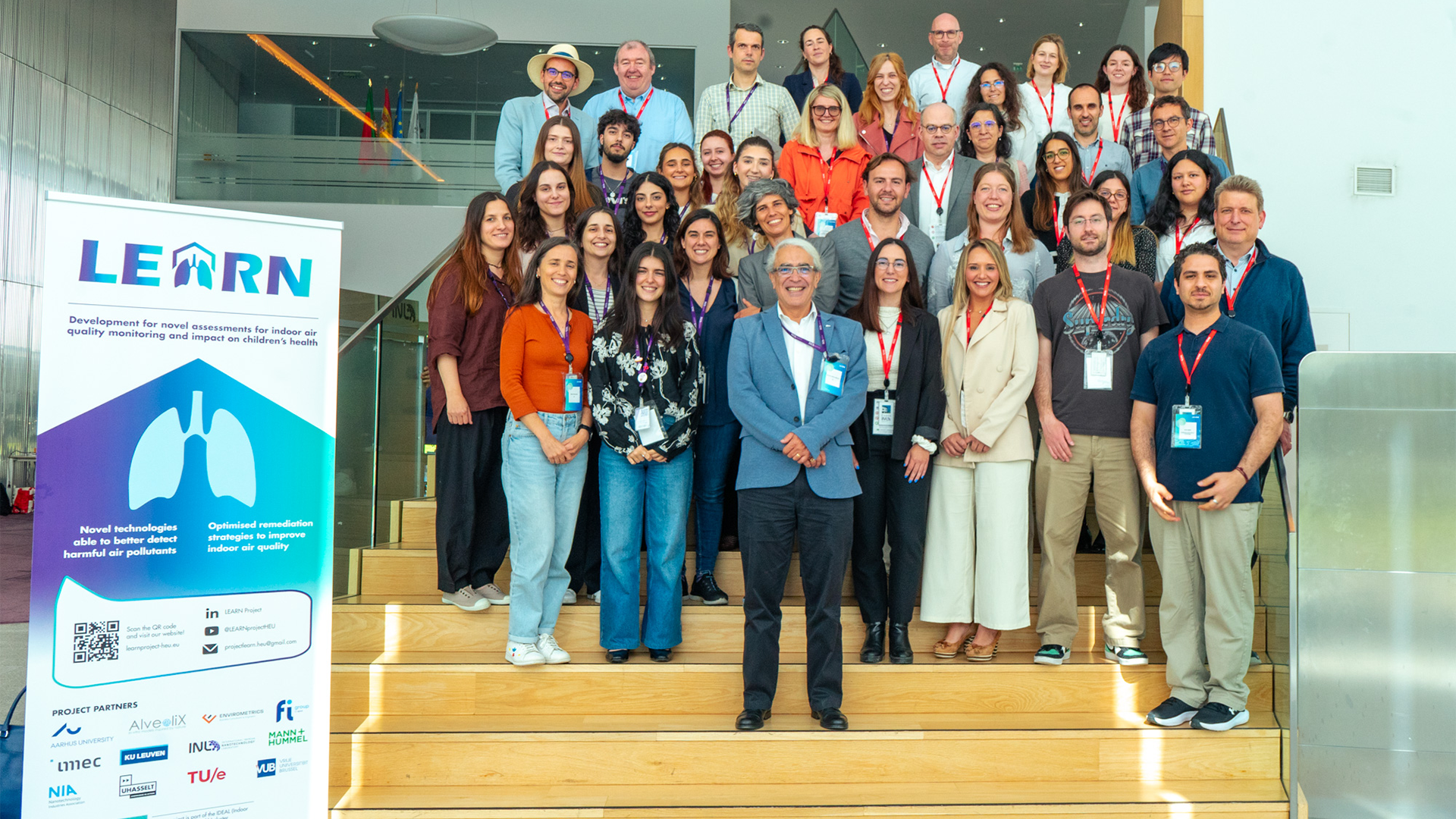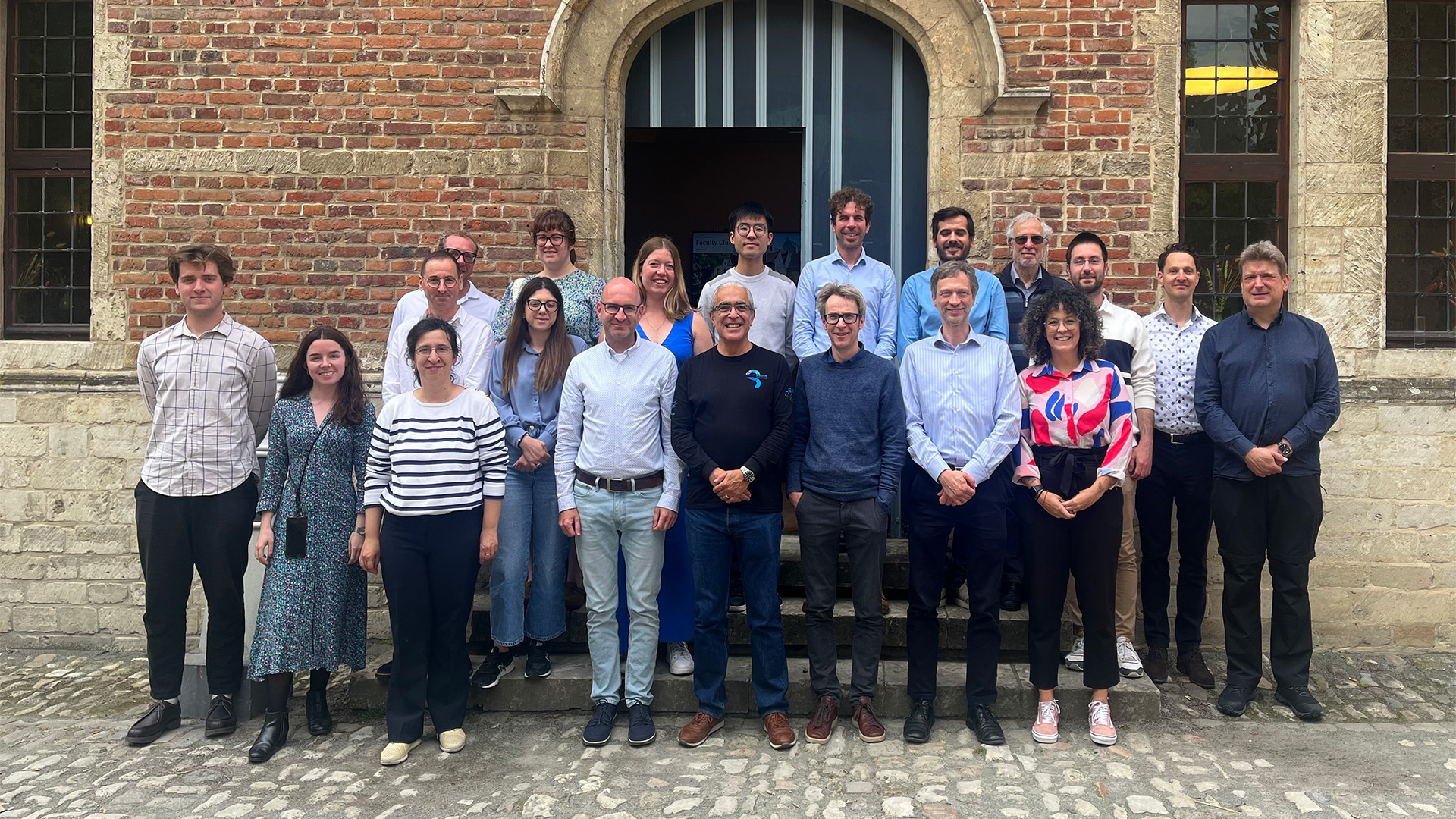
The LEARN project’s consortium gathered last June 4-5 in Leuven, Belgium, to celebrate the fourth General Assembly of the project, right when it is reaching its midpoint. The consortium is pleased with the progress achieved so far in the first half of the project and looks forward to the results to come.
The meetings were led by the project’s coordinator INL and hosted by KU Leuven in Belgium, specifically in the Groot Begijnhof of Leuven, one of the largest remaining beguinages, dating back to the 13th century and included in the UNESCO World Heritage List. This beguinage was established as a community of religious women who settled outside the city walls and is now used as temporary accommodation for senior students, guest faculty members, international researchers, and university staff of KU Leuven.
All twelve partners of this Horizon Europe project were present, whether onsite or online: INL (Portugal), Aarhus University (Denmark), Alveolix (Switzerland), Envirometrics (Greece), FI Group (Spain), IMEC Nederland (The Netherlands), KU Leuven (Belgium), MANN+HUMMEL (Germany), NIA (Belgium), Hasselt University (Belgium), TU/e (The Netherlands) VUB (Belgium).
What was discussed during the meetings?
The General Assembly started with a welcome by the project’s coordinator Ernesto Alfaro-Moreno from INL, who reminded the main objectives of the project and reviewed its main achievements and upcoming challenges, now that it has reached its midpoint.
Later on, updates on each work package were presented by their respective lead partners:
- The cohorts at schools have been successfully carried out in the first schools in Belgium, characterising their indoor and outdoor air quality and analysing its effect on children’s cognitive function and health parameters. The next cohorts will kick off in Denmark and Greece in the upcoming months.
- Progress has been made in developing novel VOCs and UFPs sensors to detect indoor air pollutants.
- A new in-vitro model, based on C.elegans, will be used to assess Particulate Matter (PM) in the school cohorts. The skin-on-chip model is currently being characterised and a multisensing device is being created.
- Purification filtration is being implemented in the cohorts at schools and will be improved according to the data that is being collected.
- The structure of the LEARN data hub is being designed to store and showcase the data collected during the cohorts.
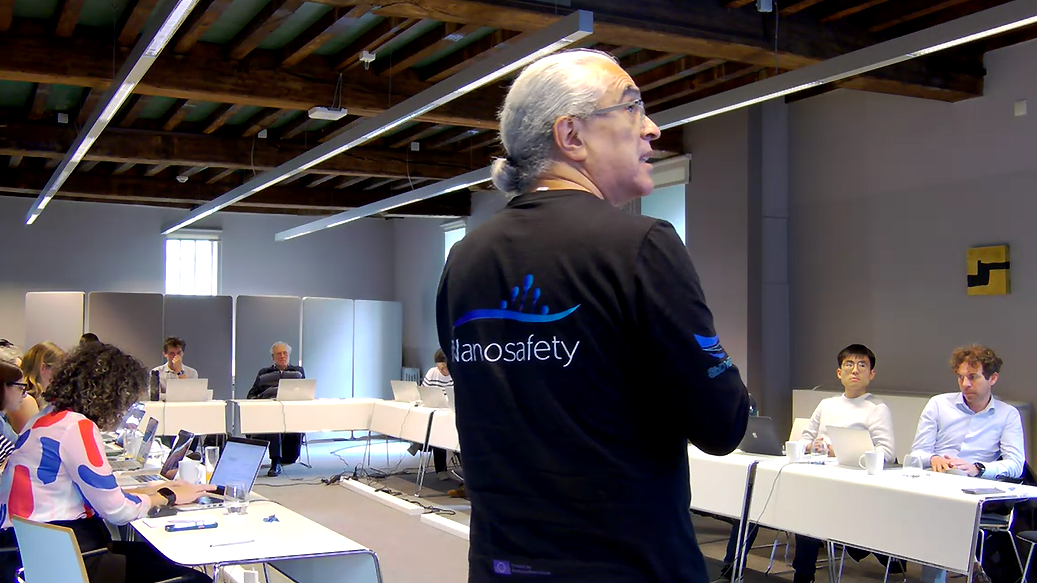
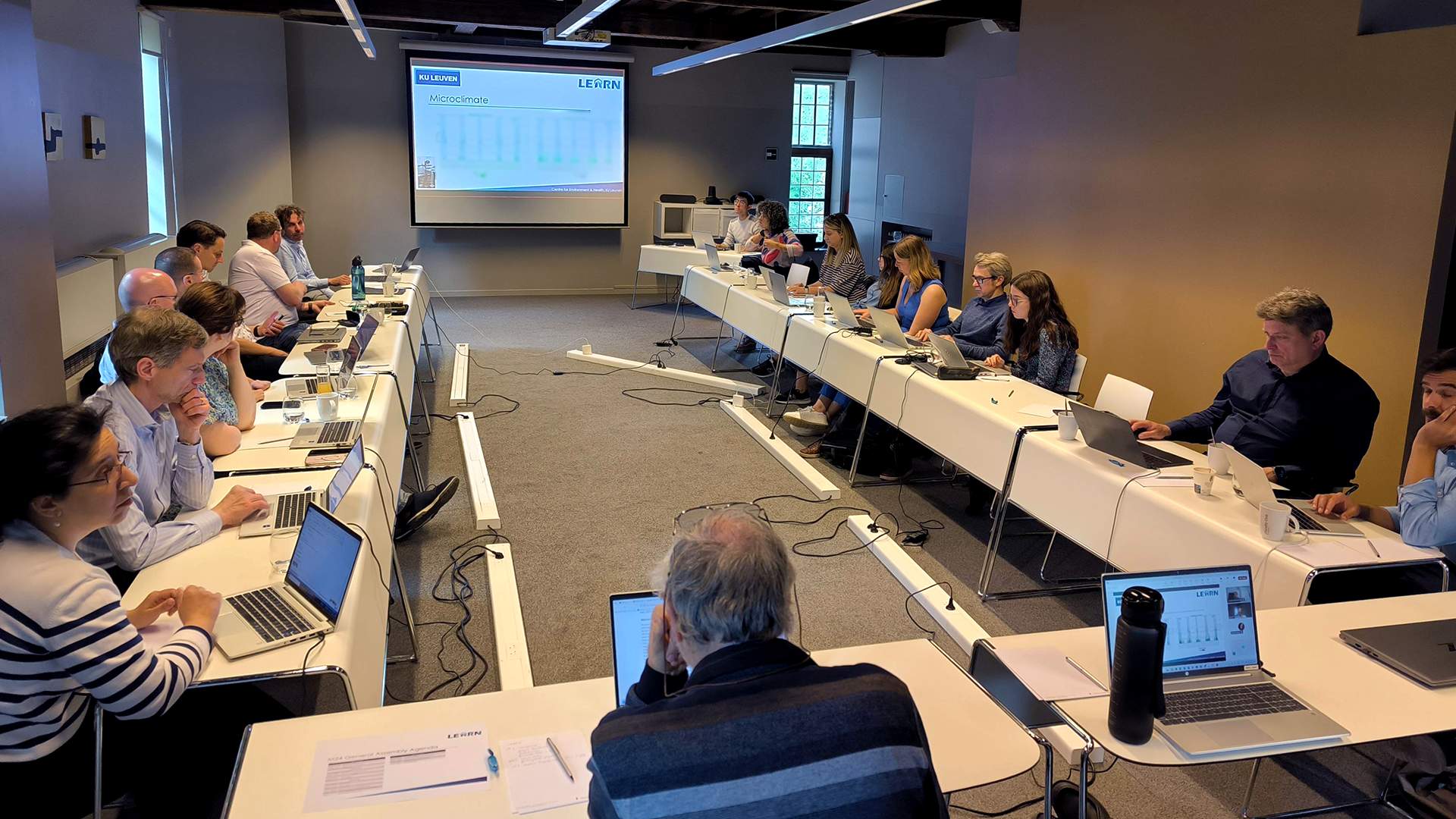
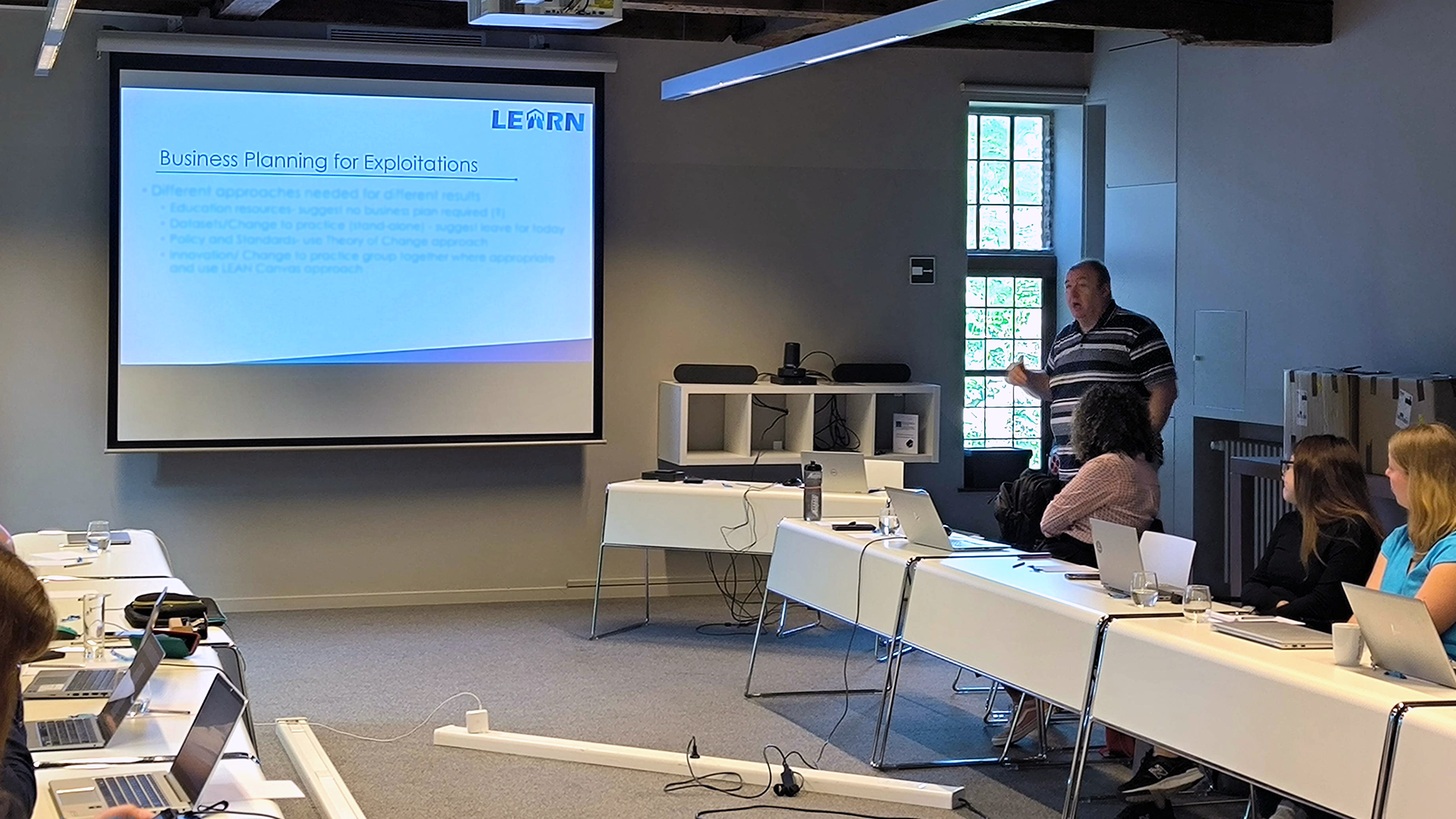
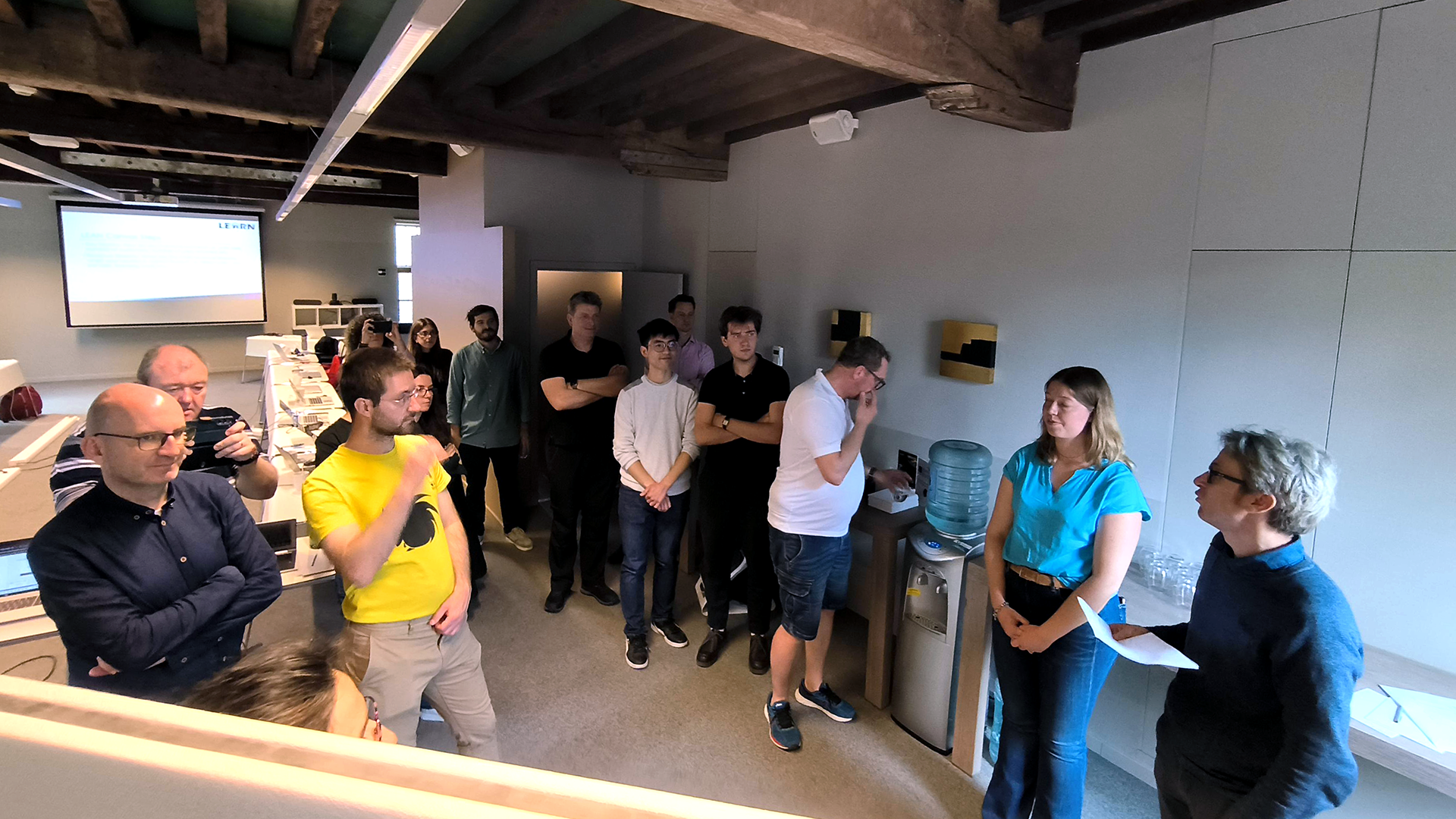
On the second day, a specific session was devoted to coordinating actions among the different work packages and discussing their connections and dependencies. The meetings ended with a collaborative workshop about the future exploitation of the project results, led by NIA. Moreover, the LEARN project’s External Advisory Board provided helpful guidance to the consortium.
The LEARN project is a Horizon Europe project meant to monitor and evaluate indoor air quality at schools around Europe and its impact on children’s health. Our main goal is to develop and deploy novel sensors that can detect possibly harmful air pollutants, as well as advanced biosensors and optimised air remediation strategies. Find out more about our EU-funded project!