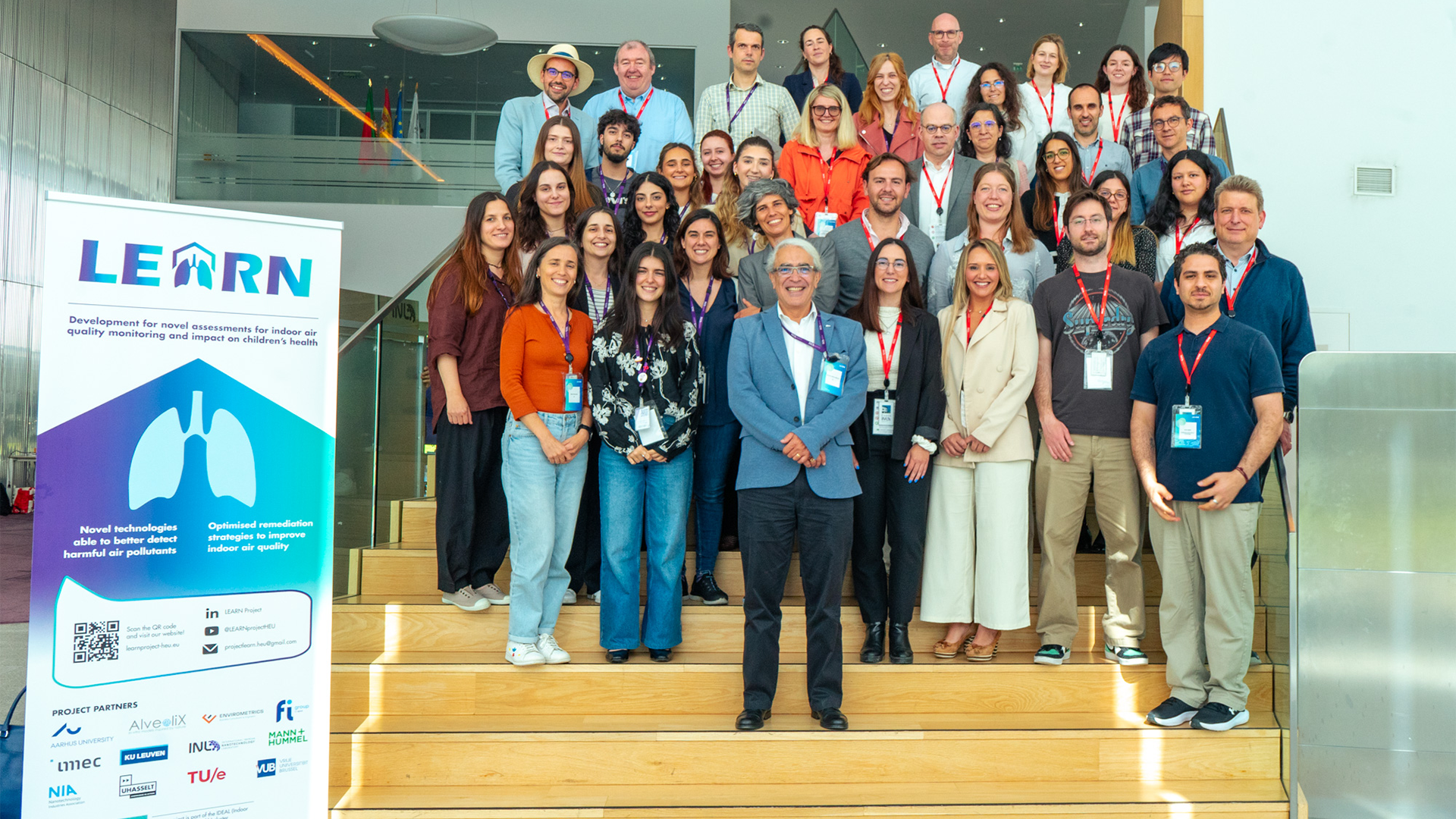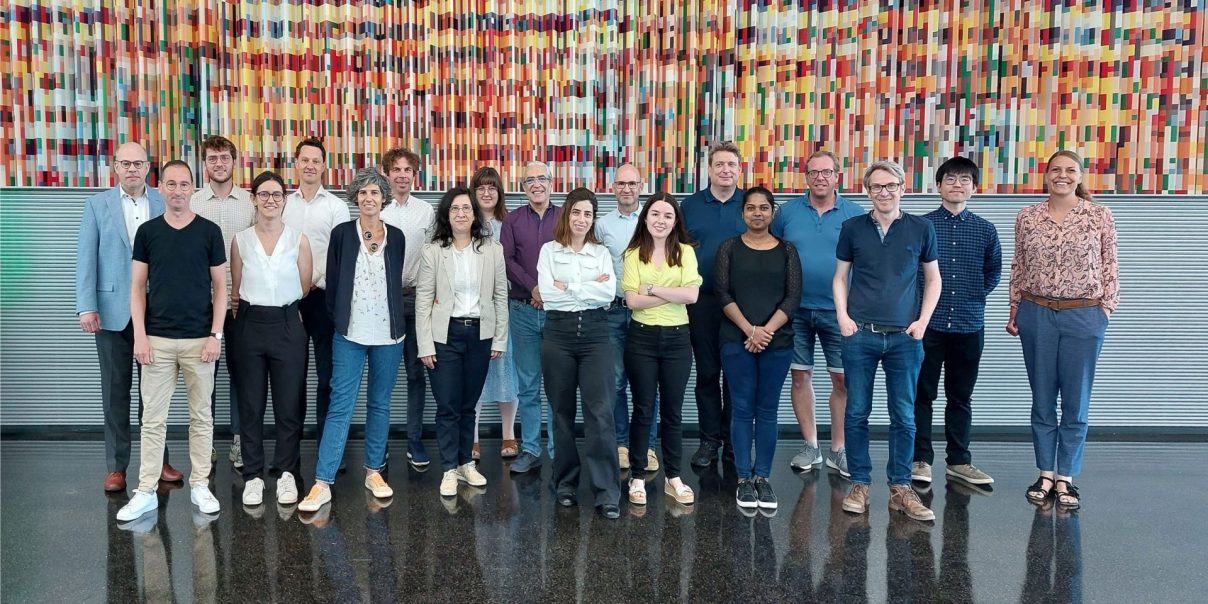
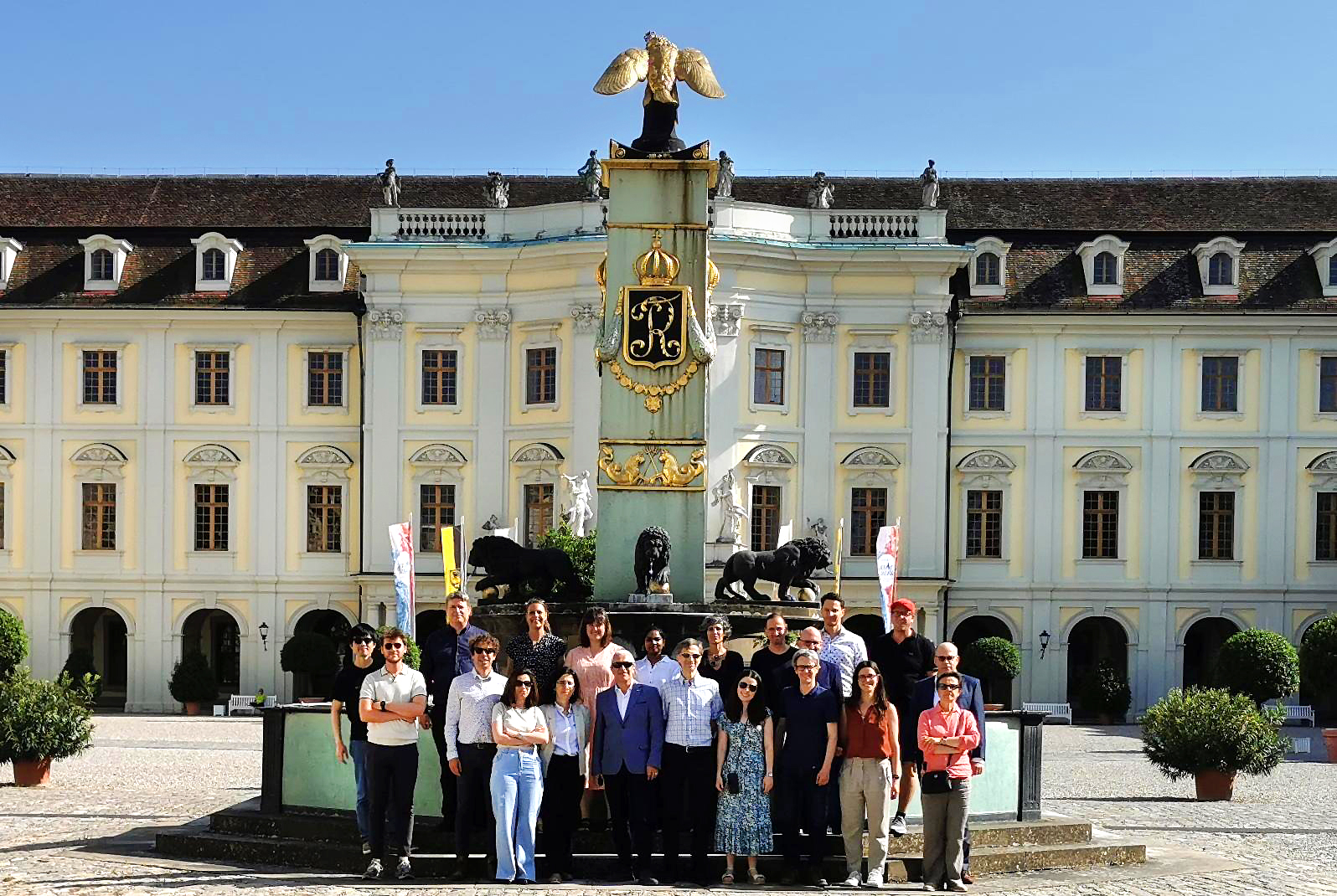
The LEARN project’s consortium gathered last June 12th and 13th to celebrate its second General Assembly and discuss the progress of the different work packages, plan the upcoming tasks and deliverables, and understand the challenges ahead for the improvement of indoor air quality at schools in Europe.
The meetings were managed by the project’s coordinator INL and took place at the headquarters of the project’s partner MANN+HUMMEL in Ludwigsburg, a town in Baden-Württemberg, Germany, about 12 kilometres north of Stuttgart.
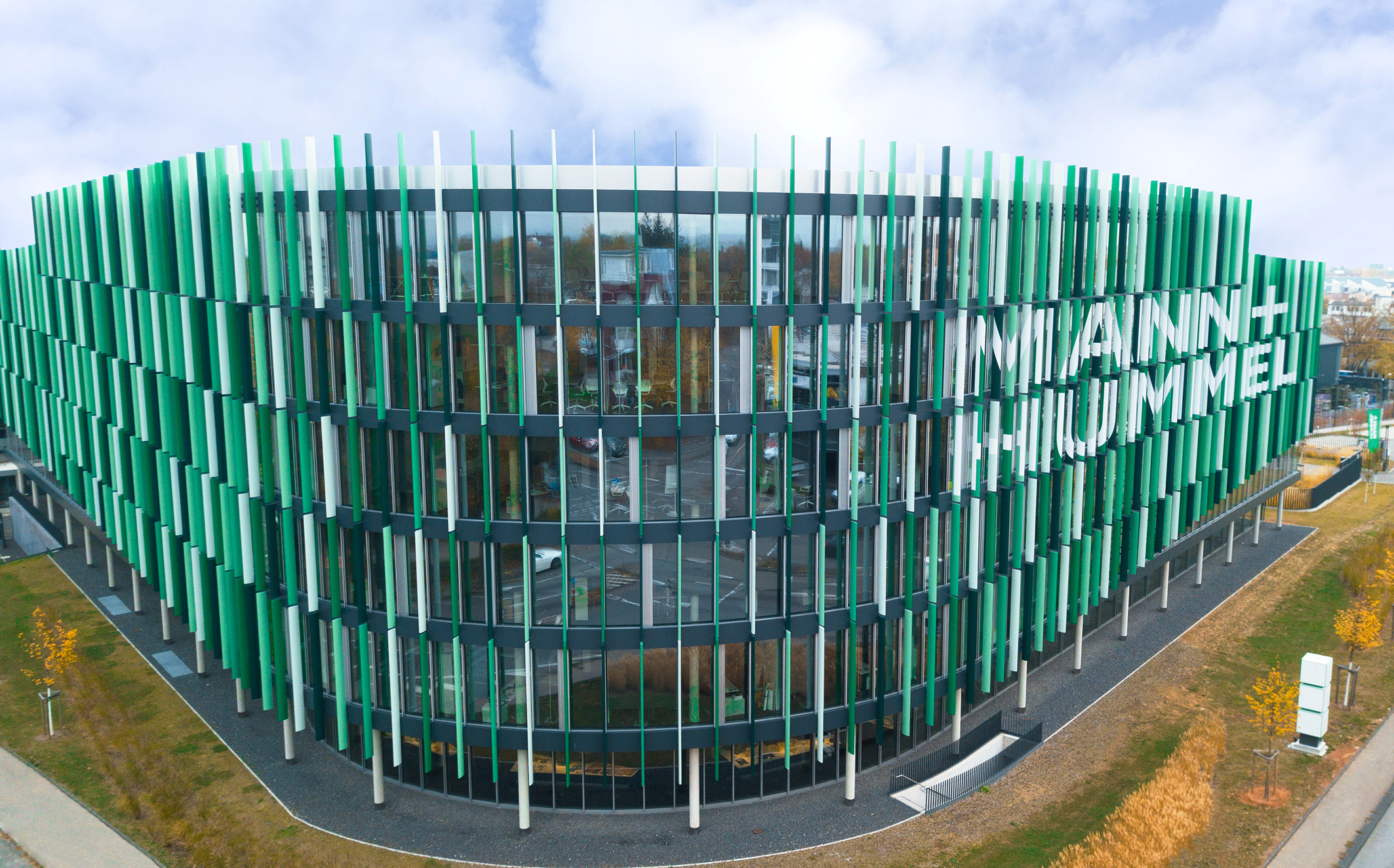
All twelve partners of this Horizon Europe project were present, whether onsite or online: Laboratorio Iberico Internacional de Nanotecnologia LIN-INL (Portugal), AARHUS UNIVERSITET (Denmark), ALVEOLIX AG (Switzerland), ENVIROMETRICS (Greece), FI Group (Spain), STICHTING IMEC NEDERLAND (Netherlands), KATHOLIEKE UNIVERSITEIT LEUVEN (Belgium), MANN+HUMMEL (Germany), NANOTECHNOLOGY INDUSTRIES ASSOCIATION (Belgium), UNIVERSITEIT HASSELT (Belgium), TU/e (The Netherlands) and VRIJE UNIVERSITEIT BRUSSEL (Belgium).
What was discussed in the meetings?
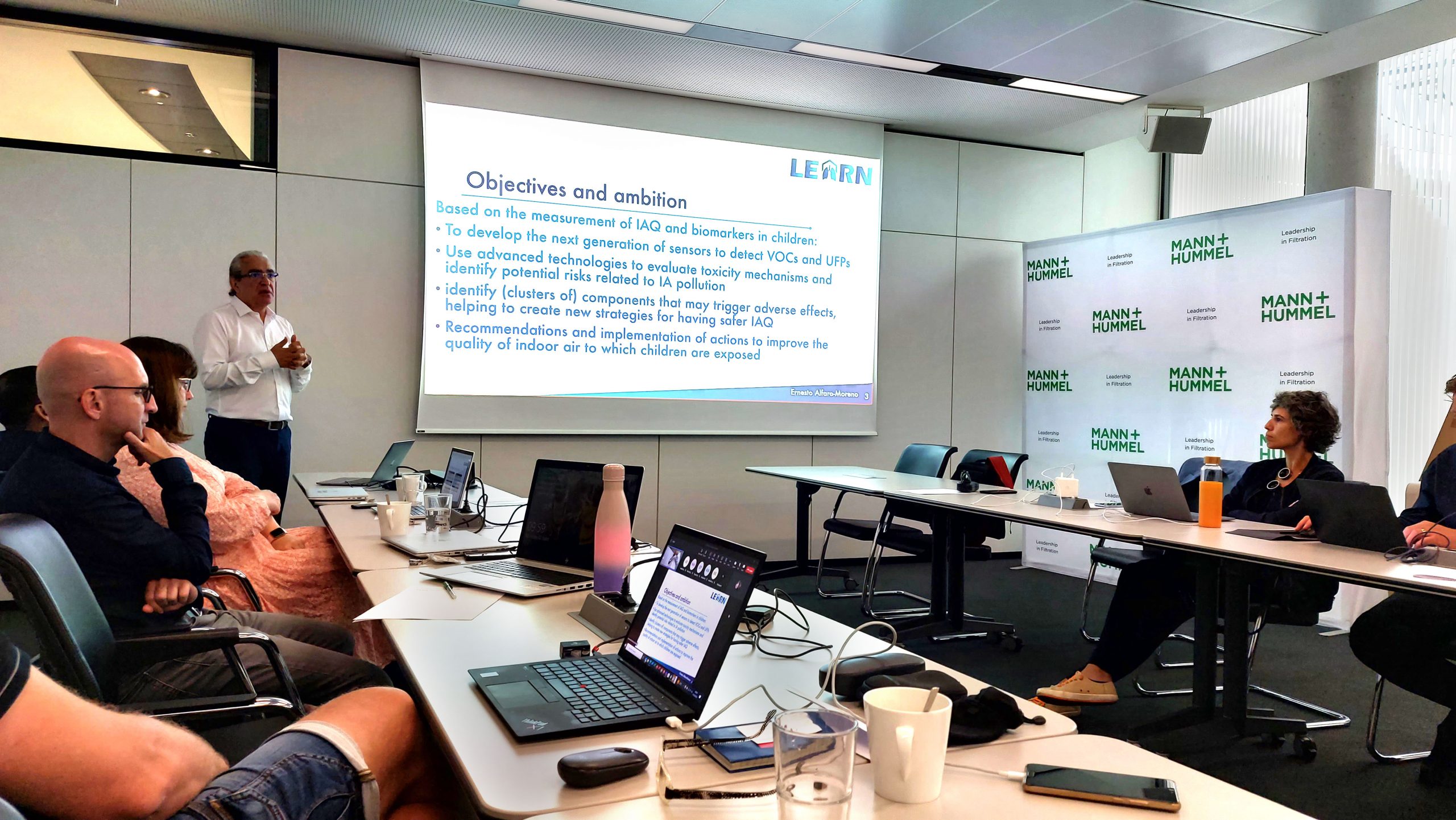
LEARN’s second General Assembly started with a welcome by the host MANN+HUMMEL, where the main activities of the company were presented. This was followed by a speech by the project’s coordinator Ernesto Alfaro-Moreno from the International Iberian Nanotechnology Laboratory (INL), who reminded the main objectives of the project and reviewed its main achievements and upcoming challenges, one year after its kick-off.
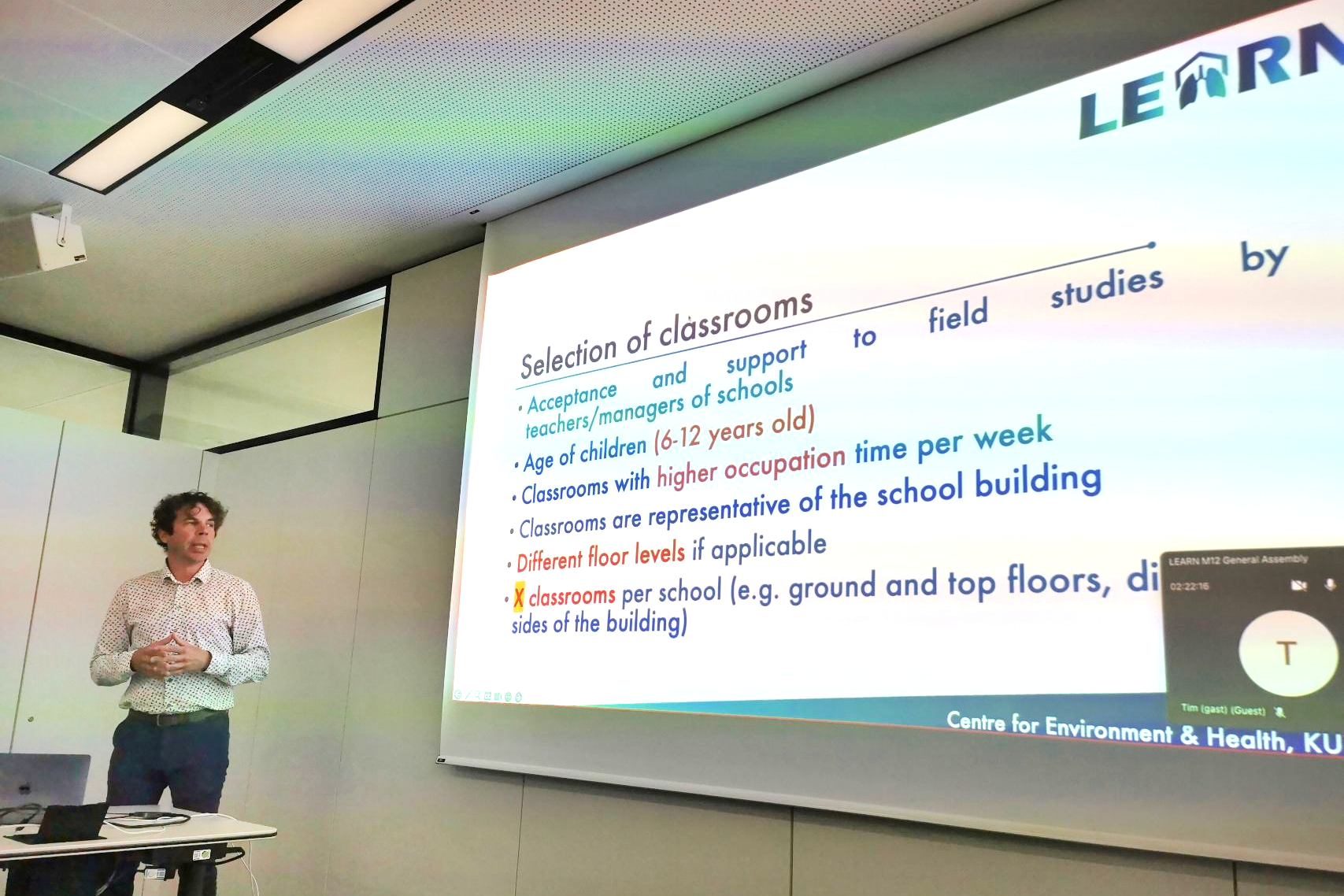
Later on, updates on each work package were presented by their respective lead partners.
- The pilots at schools are almost ready and expected to kick off next autumn. We will assess indoor air quality at schools and study its effect on children’s health and cognitive function, as well as the role of air purification and filtration technologies in remediating its negative impact.
- Progress has been made in developing novel VOCs and UFPs sensors to detect air pollutants, as well as in-vitro models and biosensors to study the mechanisms of toxicity, such as those based on C. elegant.
- Purification filtration is being studied to best prevent air pollutants from affecting children’s health and cognition.
- Some adjustments in deadlines and finances have been introduced.
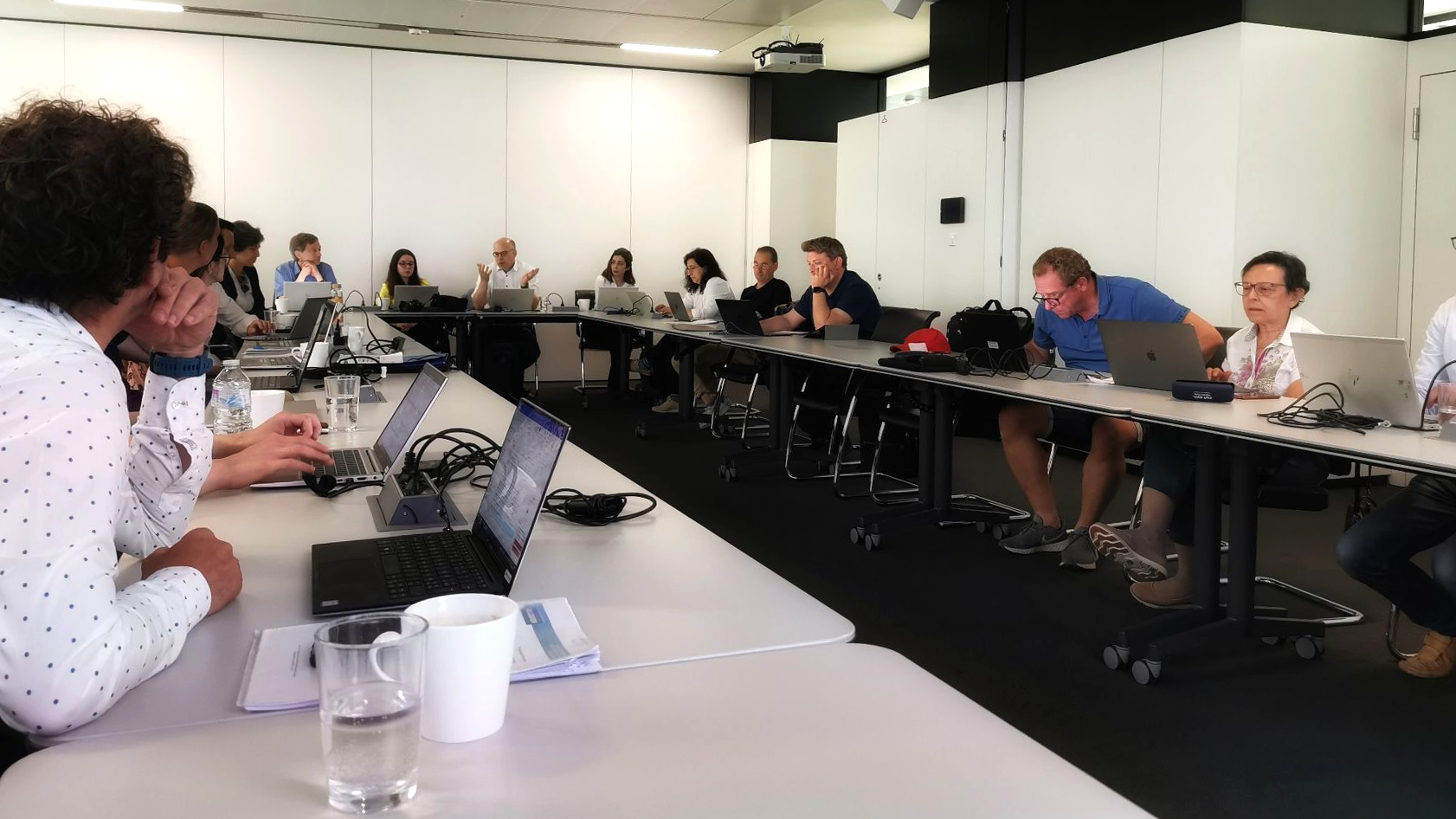
Some slots were also devoted to a free discussion on upcoming work and the best way to coordinate actions from different work packages that affect or depend on the cohorts to assess indoor air quality at schools. The meetings ended with a collaborative workshop and design-thinking session about data management and ethics.
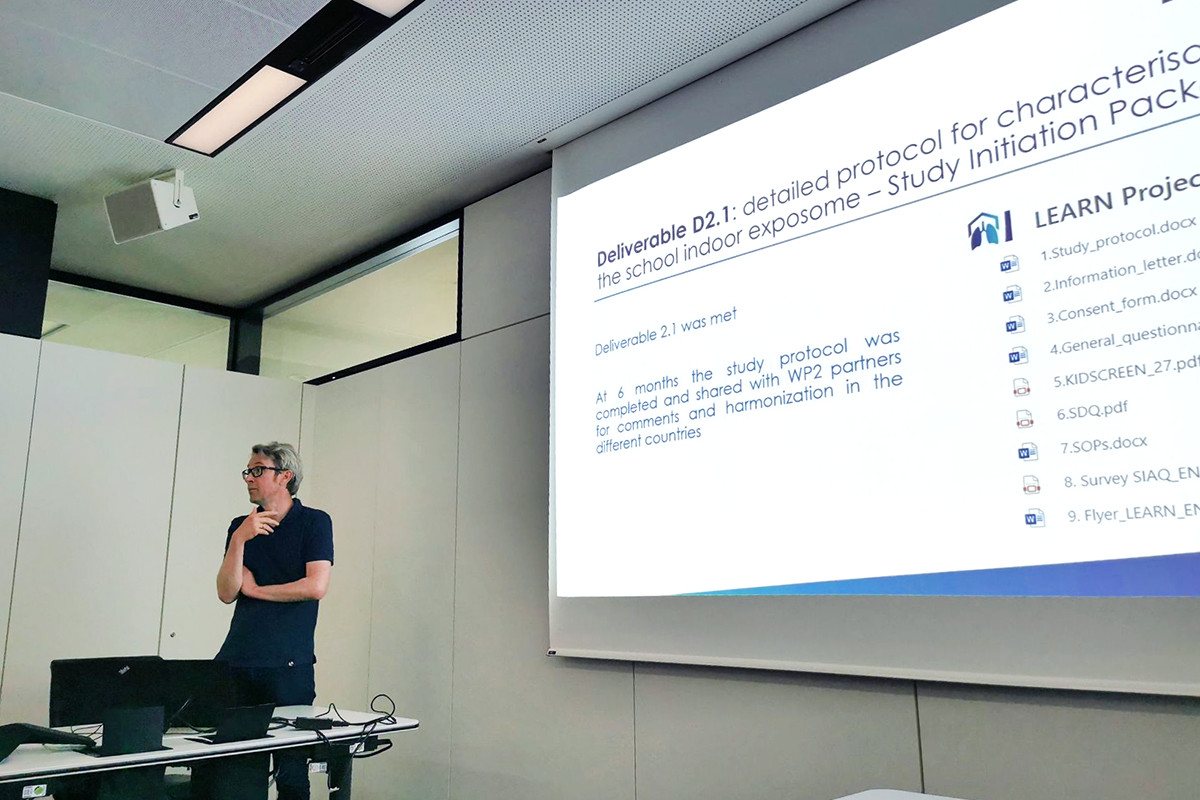
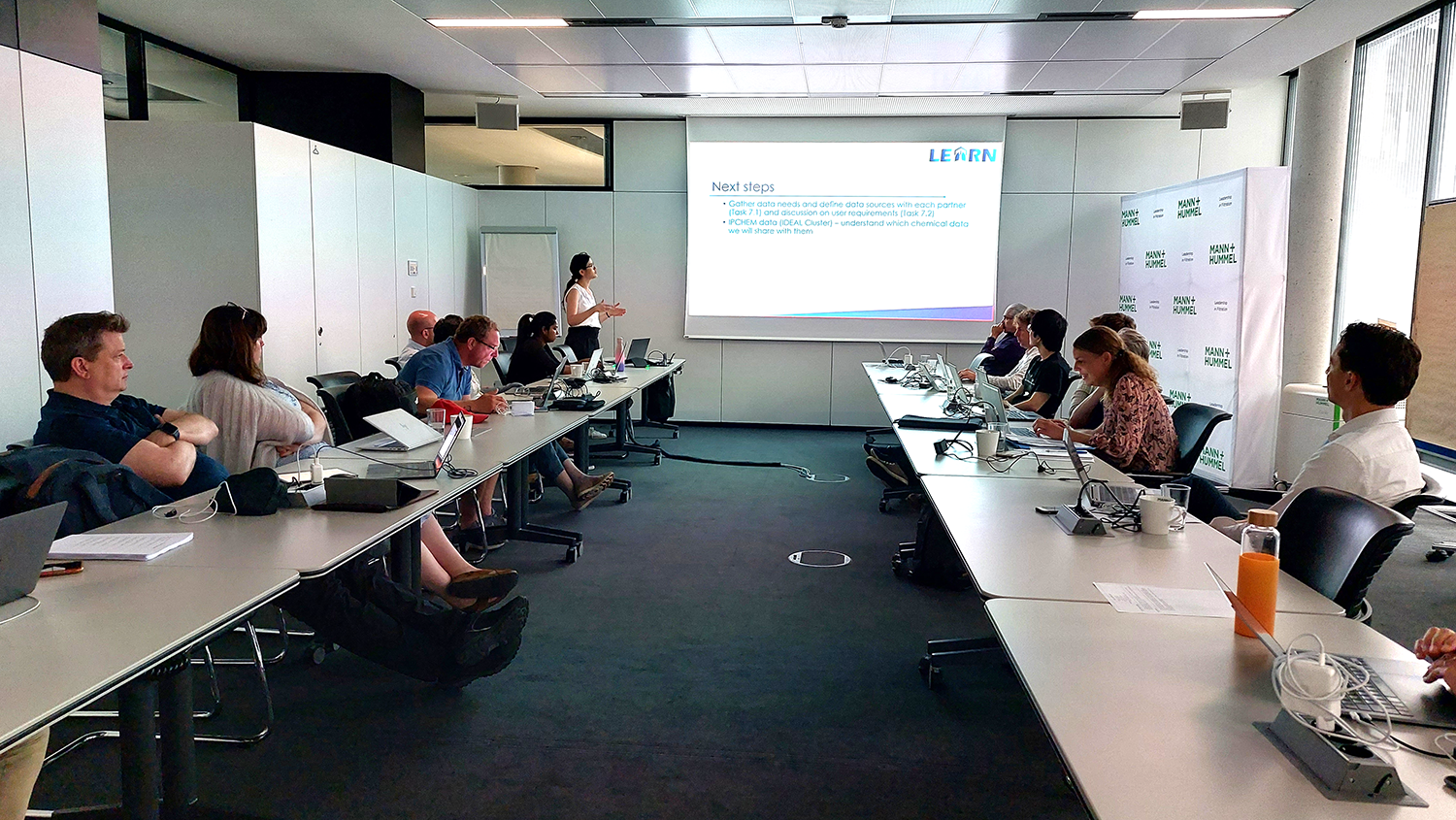
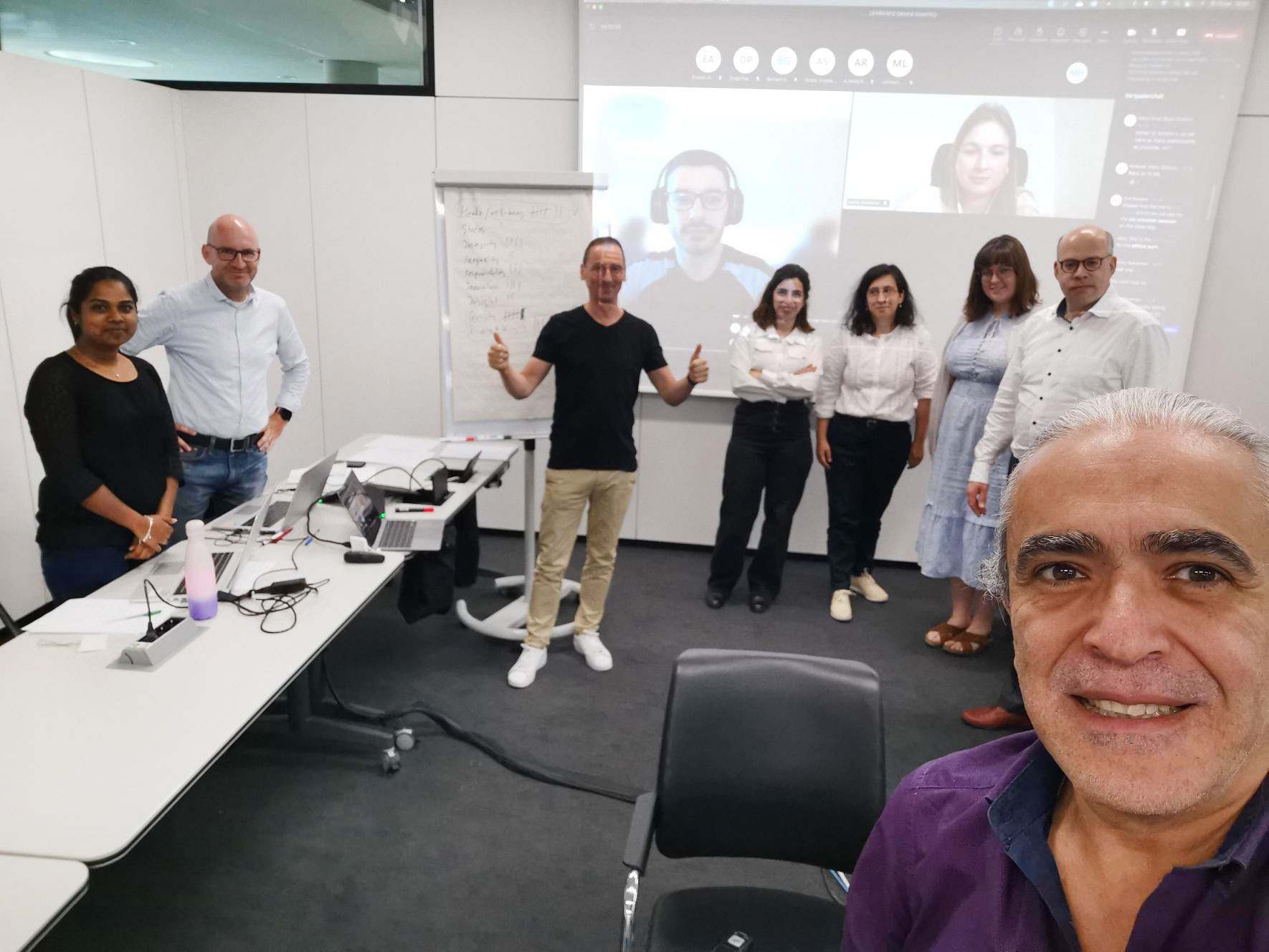
An enriching experience
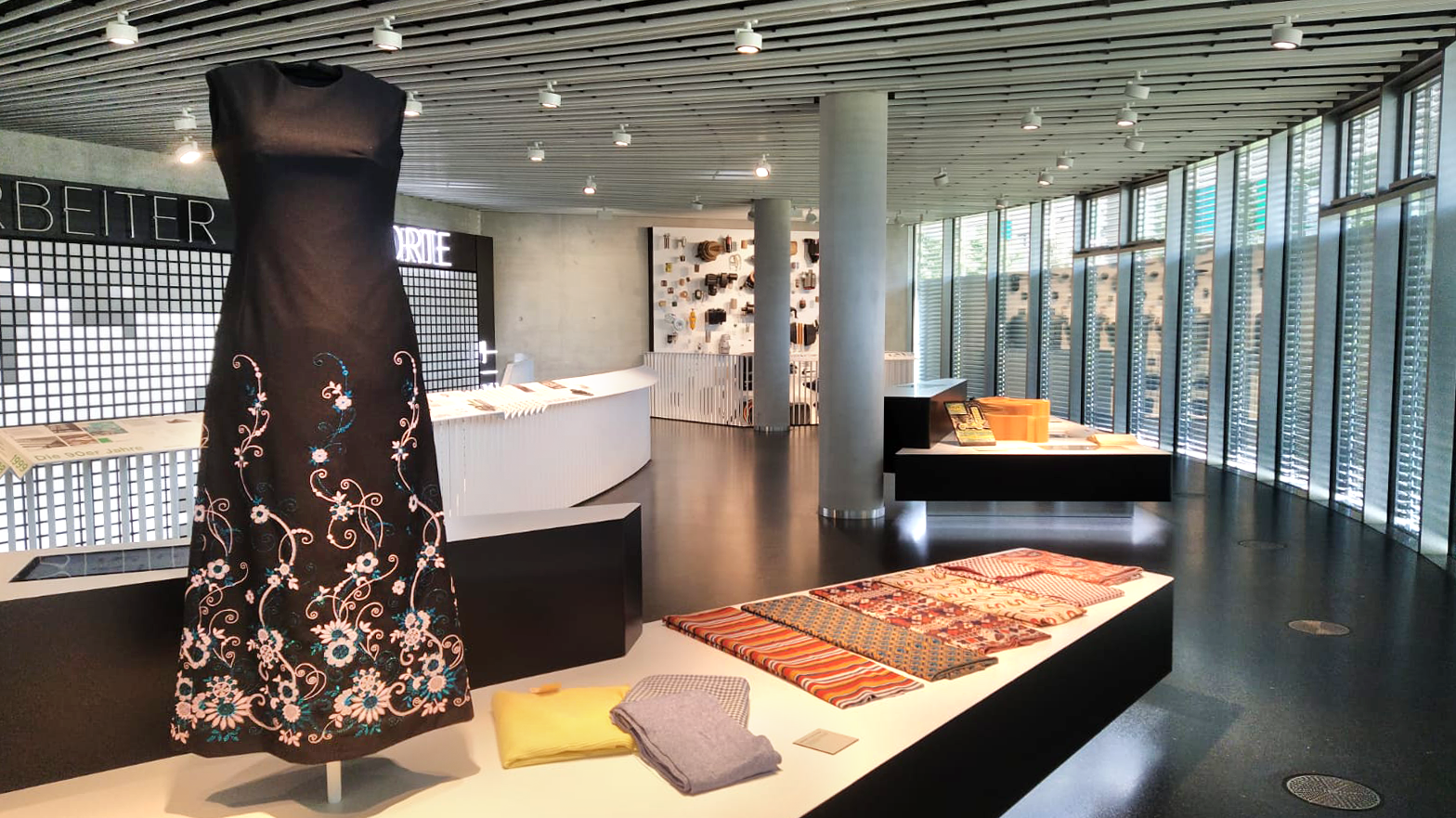
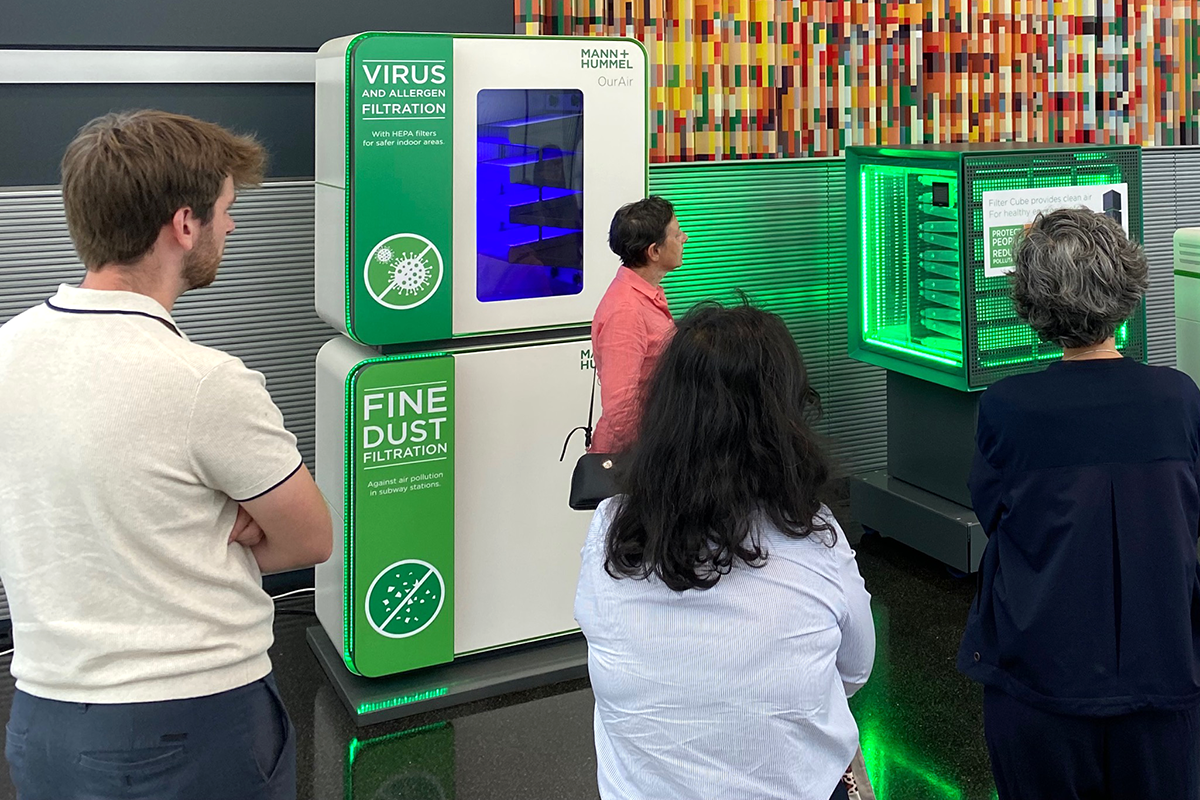
A visit to MANN+HUMMEL’s museum and facilities
As the meetings’ host, MANN+HUMMEL planned a visit to its facilities and museum. This project’s partner is a leading global company in filtration technology, developing intelligent filtration and separation solutions that enable cleaner mobility, cleaner air, and cleaner water.
In the LEARN project, the company is leading Work Package 6 on Air Remediation, aimed to improve indoor air quality by optimizing filtration and adsorption technology to remove particles and adsorb gases. This comprises innovation on the microscale level (filter media) up to enhanced designs and added smart connectivity for air purifiers.
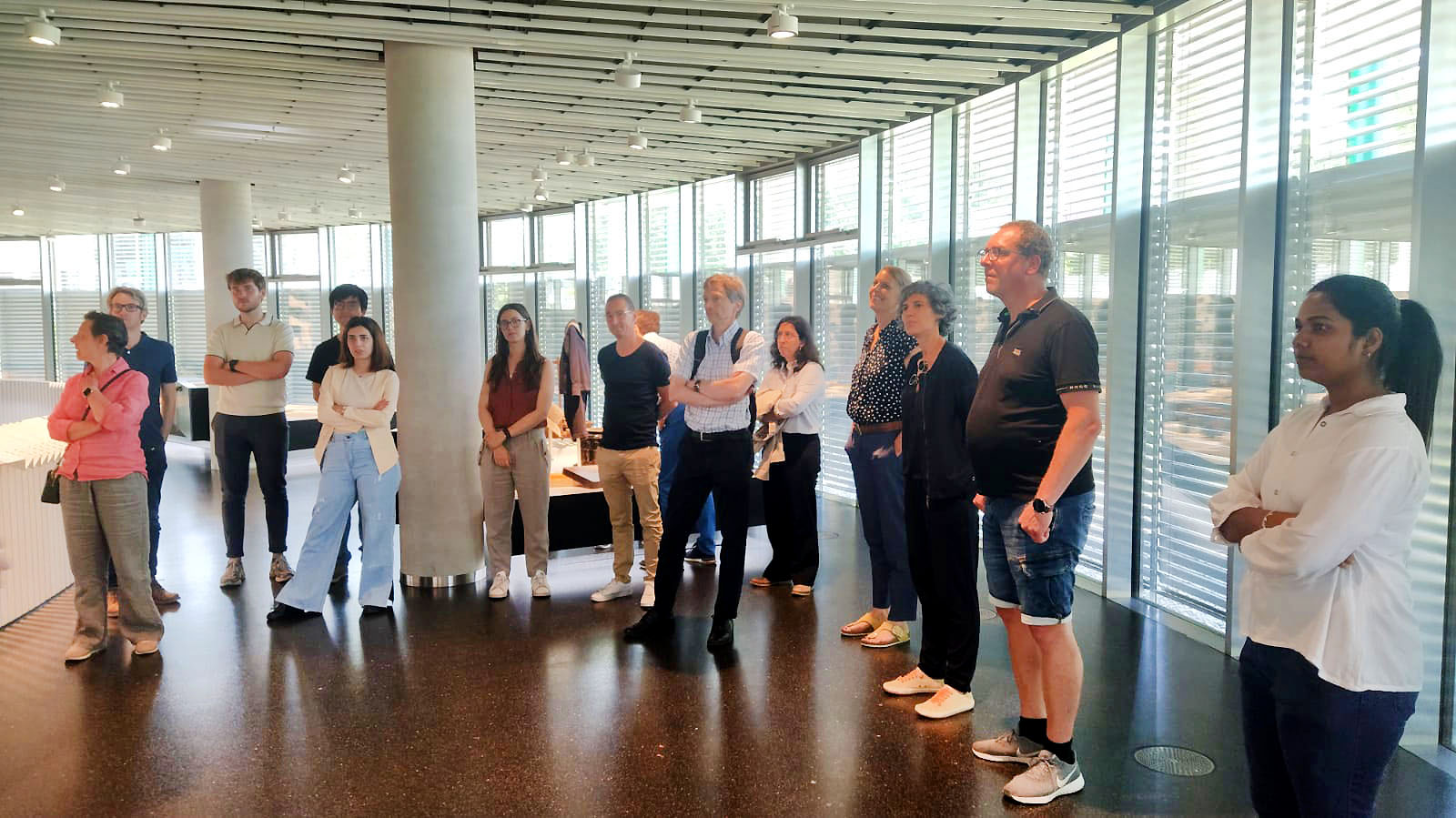
A tour of the Ludwigsburg Palace
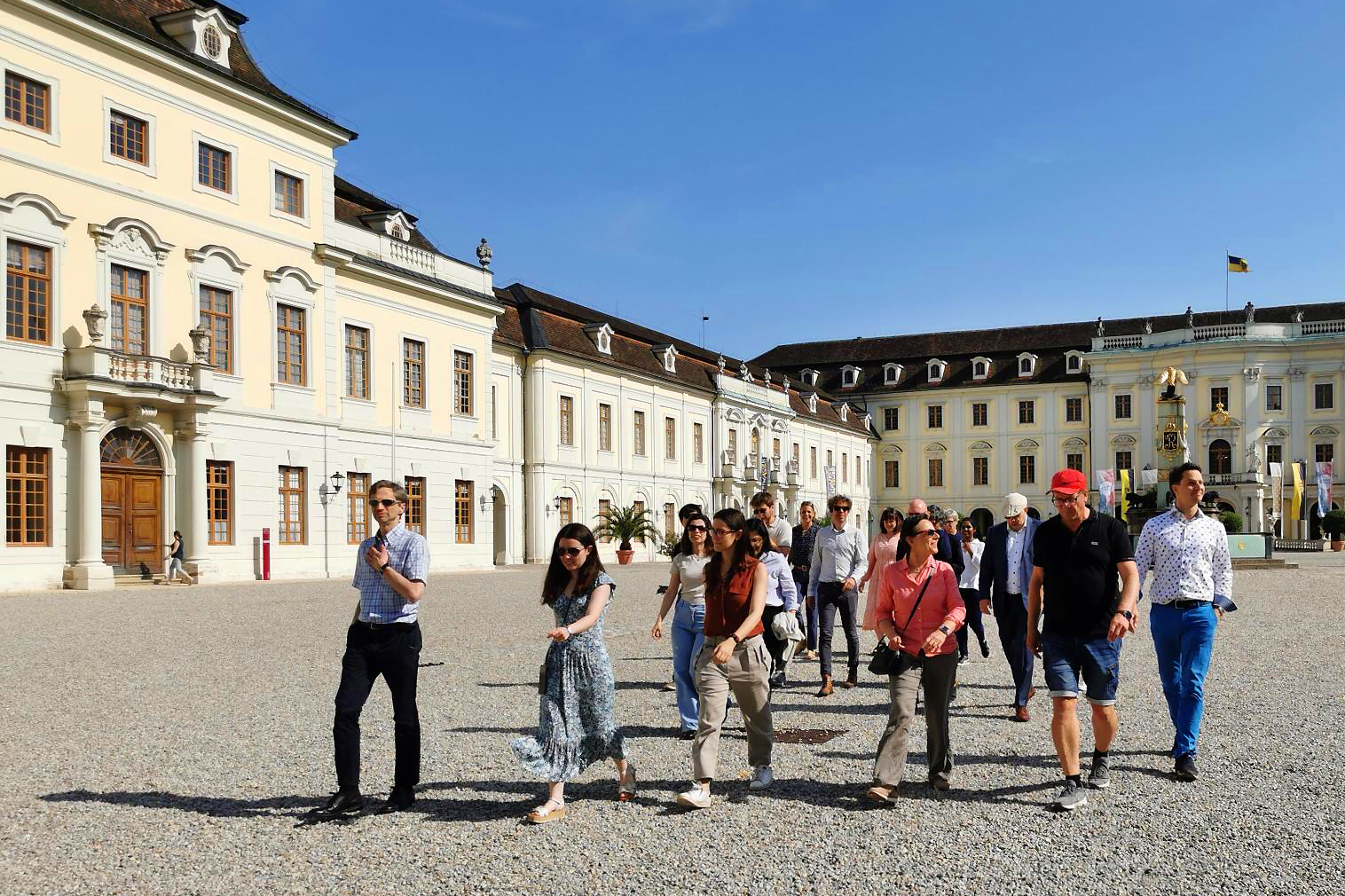
Ludwigsburg hosts one of the largest baroque castles in Germany, which gave birth to this town in Baden-Württemberg. The palace was built by Duke Eberhard Ludwig von Württemberg in the 18th century, originally thought of as a country home, but it ended up being surrounded by a hunting lodge and country seat, called Schloss Favorite, and a castle on a lake, also known as the Monrepos.
After the first day’s meetings, MANN+HUMMEL hosted a guided tour of this 18th-century baroque palace, where all partners could learn about its construction, as well as Ludwigsburg’s history and the palace life during that period.
The LEARN project is a Horizon Europe project meant to monitor and evaluate indoor air quality at schools around Europe and its impact on children’s health. Our main goal is to develop and deploy novel sensors that can detect possibly harmful air pollutants, as well as advanced biosensors and optimised air remediation strategies. Find out more about our EU-funded project!