The LEARN project aims to control and evaluate indoor air quality in schools and its impact on the health and cognition of children. For that, this Horizon Europe project seeks to control and evaluate the air quality and levels of exposure of children in schools in three European countries: Denmark, Belgium, and Greece. Cohorts of children 9 to 12 years old are being recruited for this.
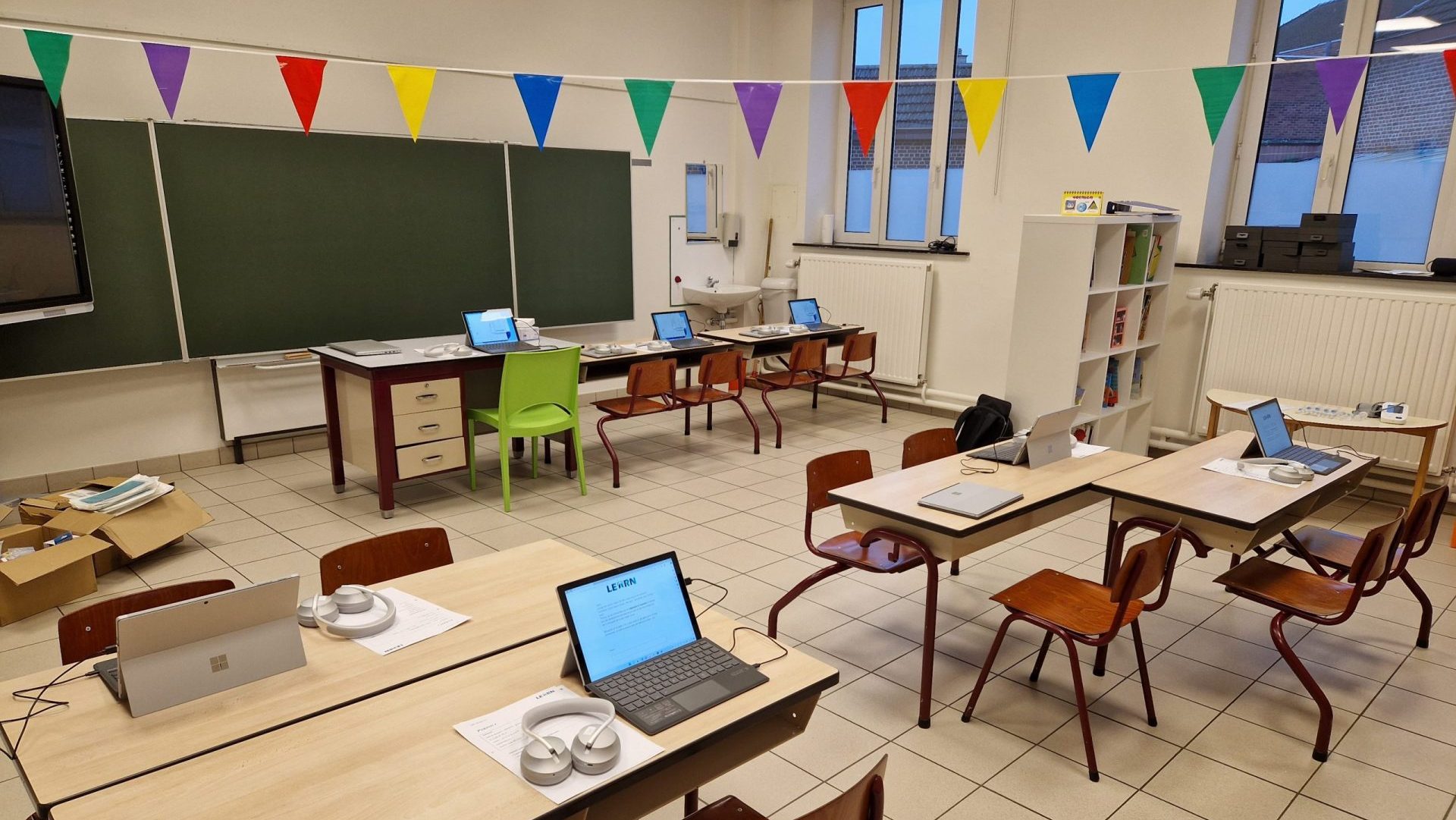
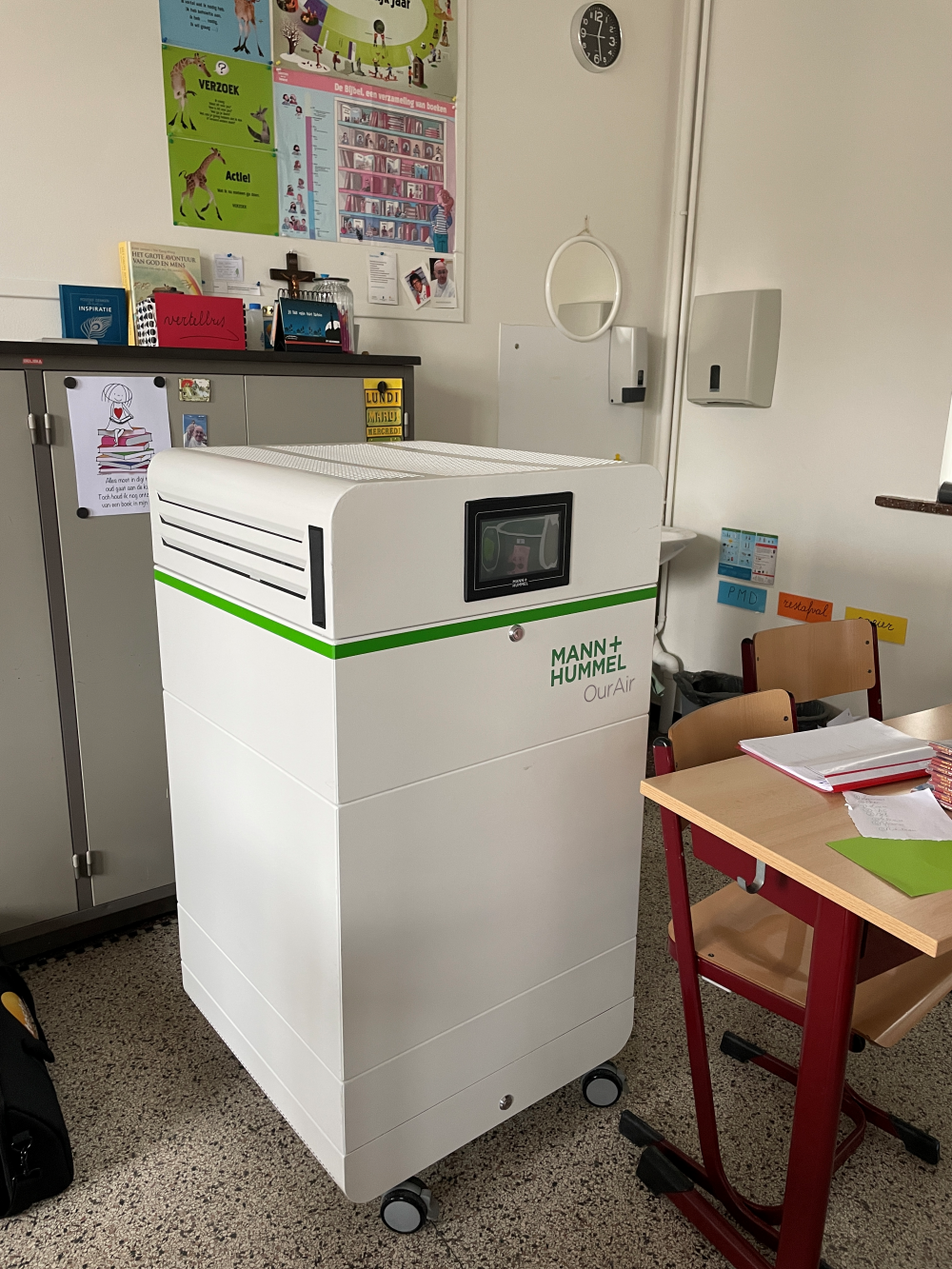
In November and December of 2023, the first pilot study for the LEARN project occurred in Belgium. The pilot study, led by the partners Universiteit Hasselt and Katholieke Universiteit Leuven, was conducted at a primary school located in the province of Limburg. The pilot study involved 18 participants distributed across two sixth-grade classes. Each classroom was equipped with an air purification system, provided by the partner MANN+HUMMEL, for intervention.
The primary objective of this intervention is to improve indoor air quality by removing particles and adsorbing gases. Enhancing indoor air quality holds great significance within primary school settings, as children are particularly vulnerable to poor air quality. This susceptibility arises from their accelerated respiratory rates, which heighten their exposure to indoor air quality, and their ongoing physiological development.
Although the respiratory system is the primary pathway for exposure to harmful particles, studies have also shown correlations with decreased cognitive function in children1,2. For this reason, the main goal of Work Packages 2 and 3 of the LEARN project is to quantify exposure to indoor air pollutants and link indoor and outdoor air quality to cognitive function in school children.
Interventions in classrooms to improve their indoor air quality
The study followed a single-blinded crossover design, with the participating classes randomly assigned to either the intervention (filters present in the air purification system) or sham intervention (no filters present in the air purification system) group.
The pilot study extended over a six-week timeframe. The initial week served as the baseline, and no intervention was implemented. Subsequently, a two-week intervention phase (period 1) was introduced, followed by a one-week washout period. This was succeeded by another two-week intervention phase (period 2).
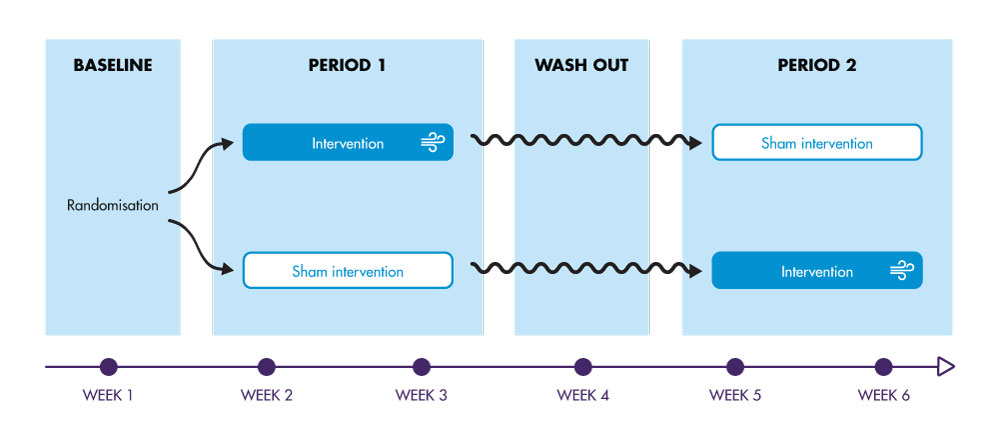
During period 1, the intervention and sham intervention ran simultaneously over the two classrooms. Subsequently, the type of intervention was switched between the two classrooms in period 2.
During the pilot, the highest possible flow setting of the filter (1450 m3/h), which still had a tolerable noise level (45.7 dB(A), comparable to refrigerator humming), was tested. At the same time, the system without the filters in the sham-intervention classroom was put on the setting with the same noise level. A simulation was performed to determine the optimal position of the filters in the classrooms.
Characterisation of the indoor and outdoor air quality
The indoor exposome (referring to the cumulative measure of environmental exposures) of the school was characterised via questionnaires, environmental sampling, and biological monitoring.
First of all, a screening questionnaire regarding the structural and geographical characteristics of the school buildings and participating classrooms was filled out by the school’s responsible person to evaluate the potential concern with indoor air pollution. Afterwards, environmental sampling was conducted for five school days per week (Monday morning to Friday afternoon, excluding washout week) to measure multiple key air pollutants and parameters related to indoor air quality.
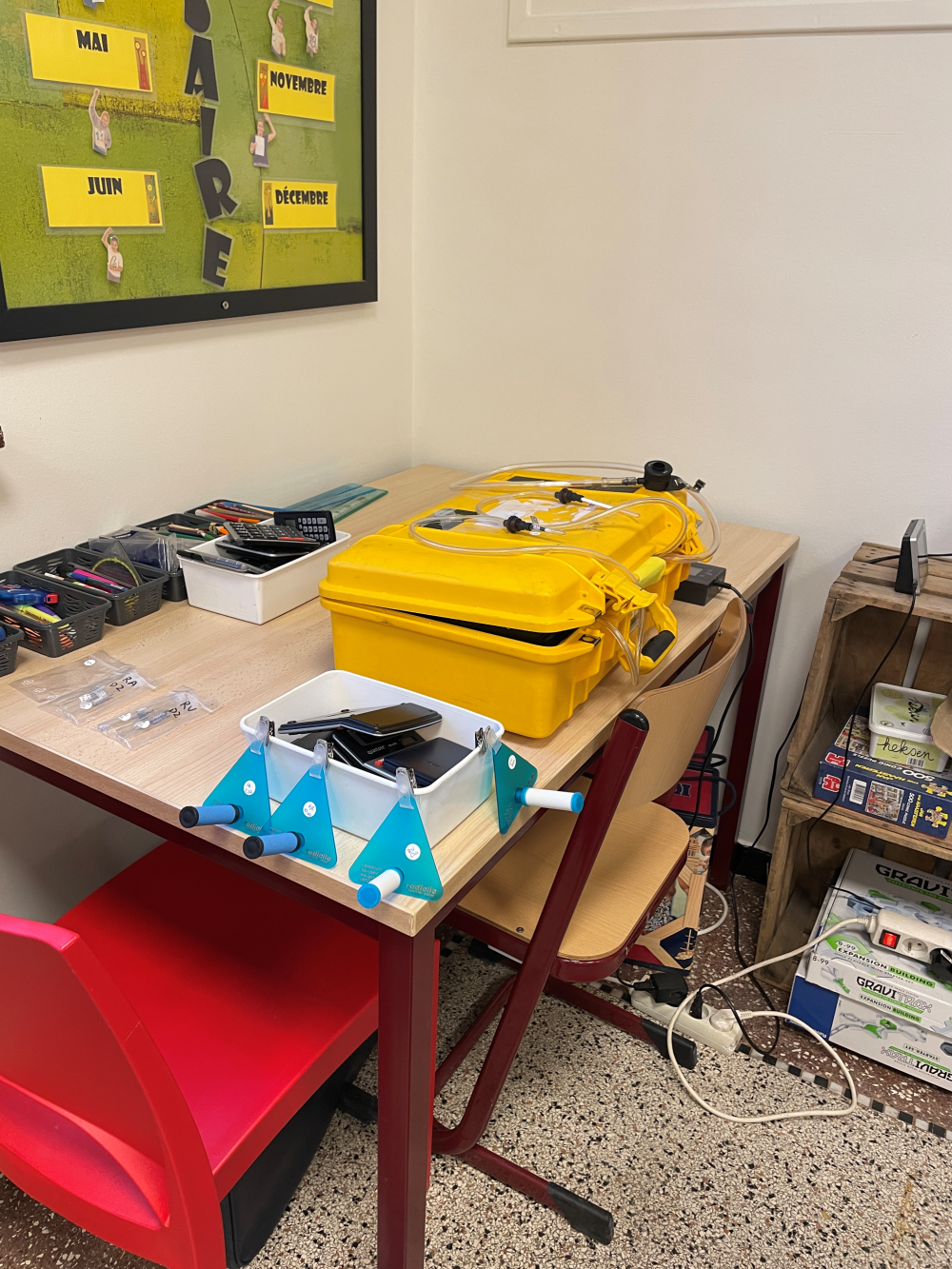
Volatile and semi-volatile chemical pollutants, such as volatile organic compounds (VOCs), aldehydes, and polycyclic aromatic hydrocarbons (PAHs), were measured in parallel in the two participating classrooms, and at a location outside the school building throughout the pilot study. Daily air samples for VOCs, aldehydes, and PAHs were actively and continuously collected (during school hours) on regular school days (2 days/week at baseline and 3-5 days/week during periods 1 and 2), using personal air sampling pumps and associated sorbent tubes and filters.
Diffusive samplers (Radiello: RAD130 and RAD165) were also applied for long-term measurements of VOCs and aldehydes during periods 1 and 2. They were placed in 3-4 different locations in each classroom and one outside the school building, at the height of the children’s breathing zone and away from potential influencing factors (e.g. direct sunlight, suspected sources of air pollution).
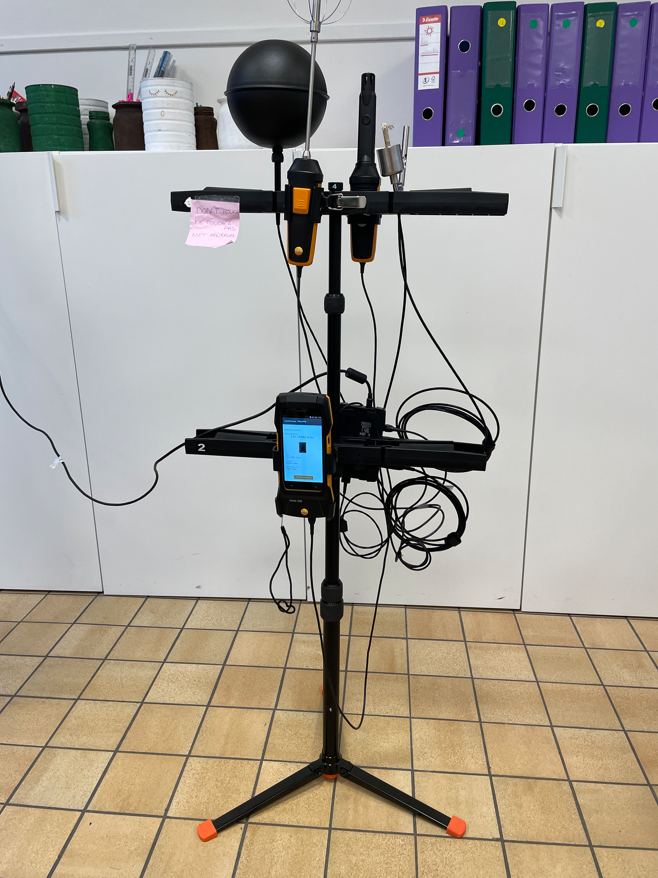
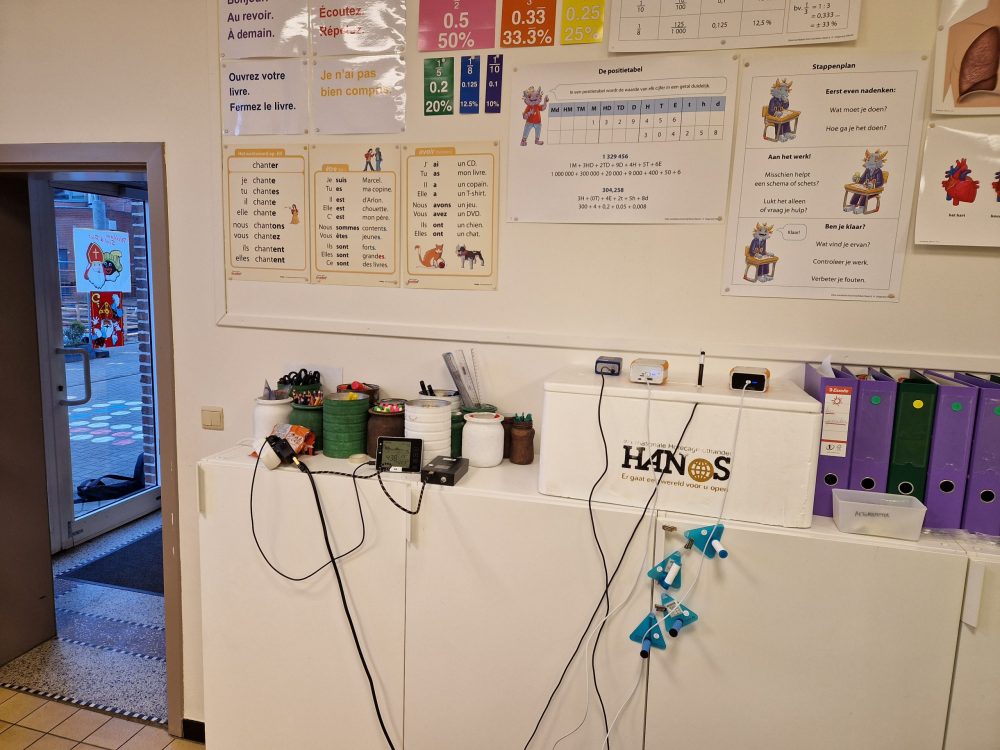
Physical parameters, including temperature, relative humidity, CO2 levels, flow rate, radiant heat, wet-bulb temperature, and dry-bulb temperature, were measured using a “microclimate tree” (a microclimate monitoring kit consisting of a Testo 400 universal climate meter and relative probes) placed in the classroom. The deployment of the microclimate tree was switched between the two participating classrooms (once during baseline and weekly during periods 1 and 2).
The measured physical parameters are then used to calculate the thermal comfort of children in the classroom in terms of thermal comfort indices and thermal stress indices, such as Predicted Mean Vote (PMV) and Predicted Percentage of Dissatisfied (PPD), and Wet Bulb Globe Temperature (WBGT).
Ultrafine particulates (UFPs) were measured by Naneos Partector 2 placed in each classroom. Particulate matters in the classrooms were measured using both the DustTrak DRX Model 8533 and Donorsense nodes. Additionally, black carbon (BC) levels were determined using a MicroAeth AE51 aethalometer.
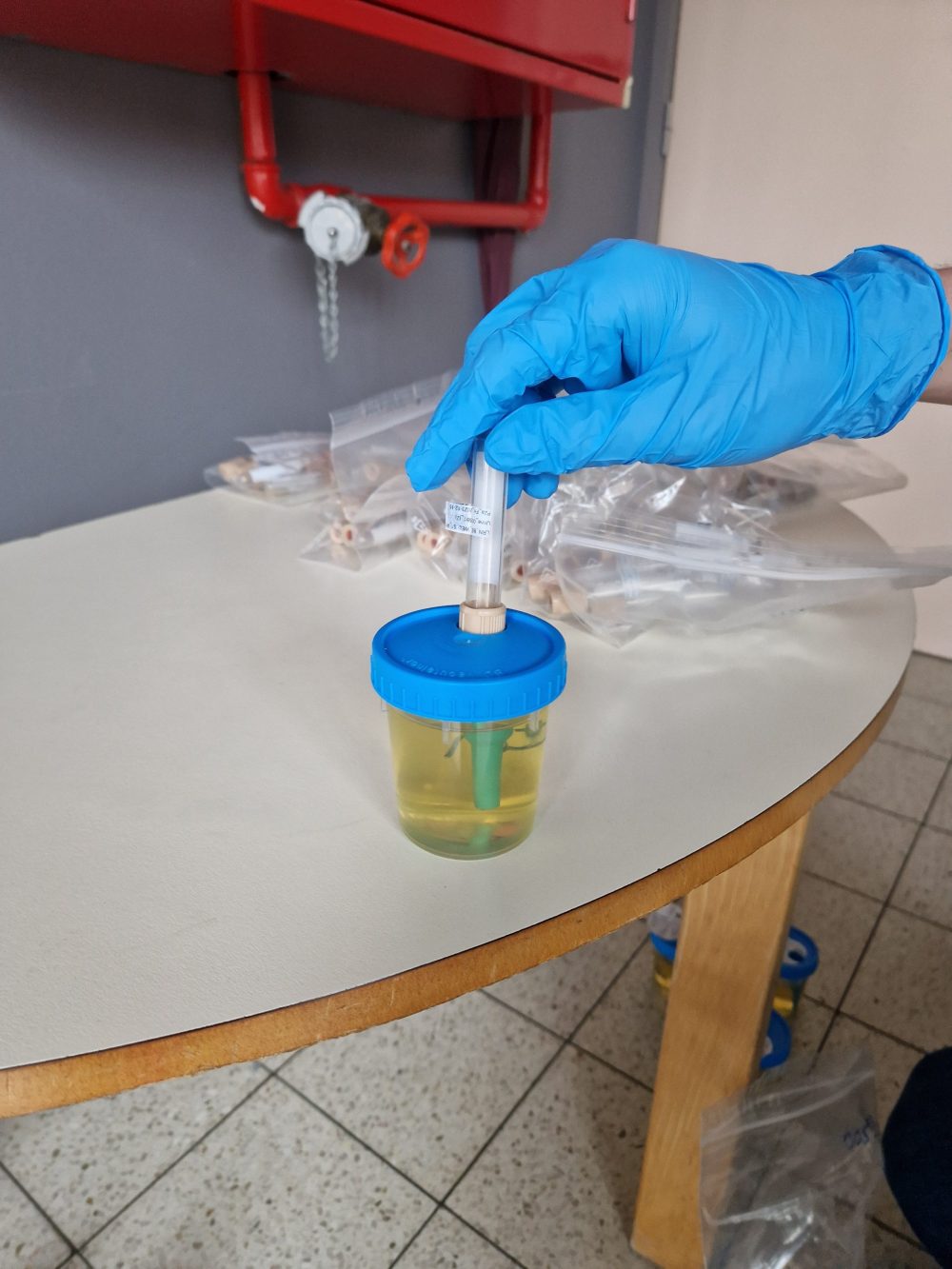
Moreover, two urine specimens were collected from each child per week: one on Monday morning (during the first class break), which indicates the exposures during the weekend (at home), and a second sample on Friday afternoon (during lunch break), which reflects the overall exposure throughout the weekdays (at school and home). Urine samples will be analyzed for specific biomarkers of exposure to indoor air pollutants to assess the internal doses in children.
Effect monitoring of children’s cognitive function and health parameters
Clinical examination was carried out by the partner Universiteit Hasselt. Clinical data, questionnaires, computerised tests, and samples were collected to assess the cognitive function and health of children. Two measurement days were scheduled for assessments at baseline. For the intervention and sham intervention periods, measurements were conducted on Friday mornings in the second week.
Anthropometric measurements were taken at baseline, including height, weight, body fat percentage, muscle percentage, resting metabolism, and abdominal circumference. Blood pressure readings were taken at baseline, during the intervention phase, and during the sham intervention phase.
Furthermore, three questionnaires were administered during the intervention and sham-intervention phases to gather additional information. These questionnaires provided insight into the participants’ subjective indoor air quality experience and assessed their mental health.
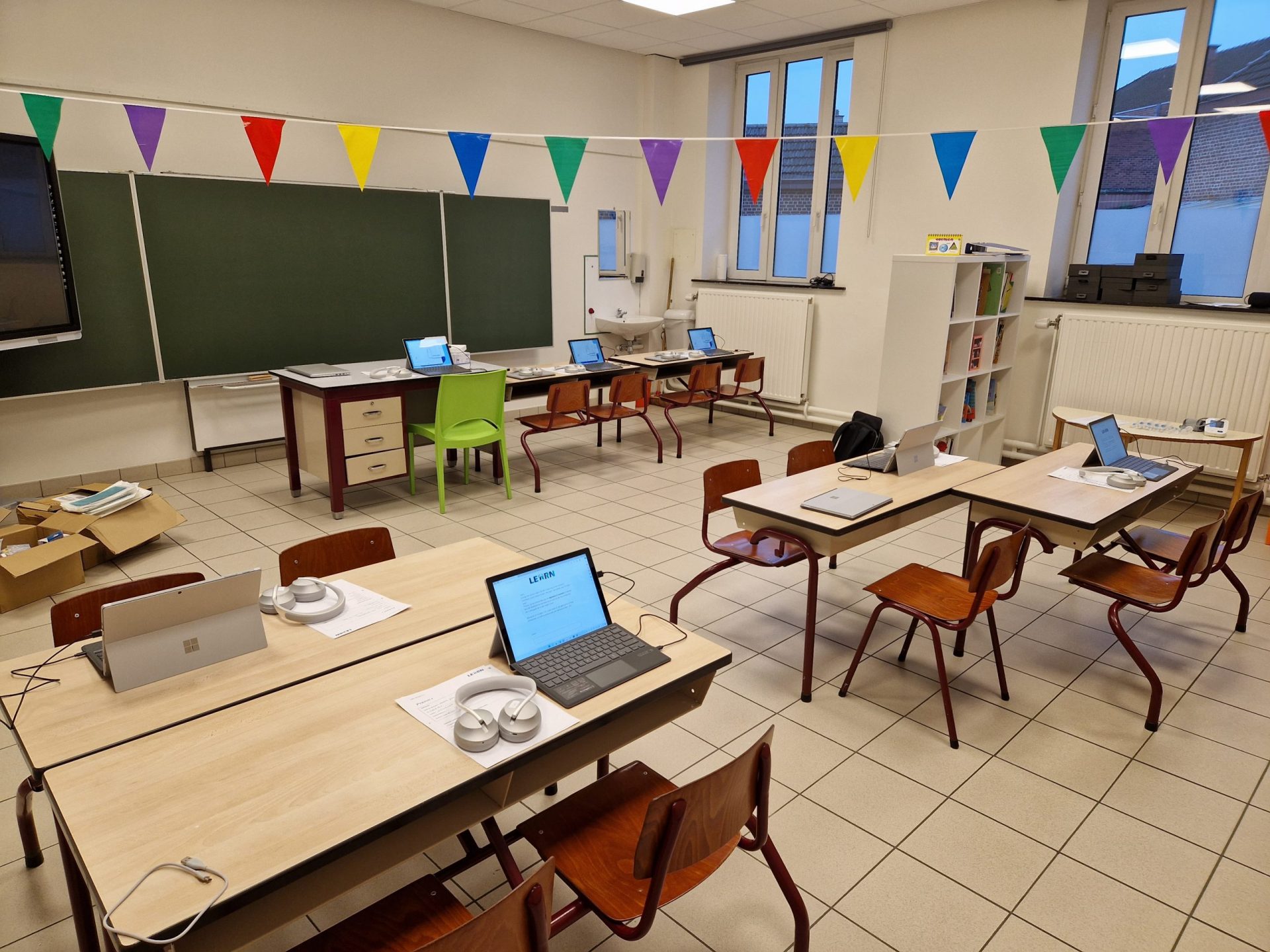
To assess the cognitive effects of early exposure to air pollution, a series of cognitive tests were performed on a tablet device under the supervision of a specialist. These tests included:
- Continuous Performance Test: This evaluates the child’s sustained attention and concentration using alphanumeric stimuli.
- Four-Colour Syrup Task: This measures the child’s attention span.
- Symbol Digit Modalities Test: This assesses the child’s information processing ability.
- Memory Span Task: This evaluates the child’s short-term memory.
- Signal Detection Test: This observes the child’s perception.
During the pilot study, a revised standardised protocol for administering cognitive tests was developed in collaboration with MindsWare. This updated protocol included the addition of audio recordings, providing standardised test explanations for each participant.
Additionally, during the baseline assessment, each participant completed all cognitive tests twice to account for potential learning curve effects. Afterward, participants repeated the tests during the intervention and sham-intervention phases to evaluate the impact of indoor air quality. The supervisor documented possible distractions and lapses in concentration.
If additional consent was obtained from the participant and their parent or guardian, blood samples were collected both at the baseline and intervention stages. These samples will be utilised to determine additional health parameters, such as cell count.
What is coming up in the LEARN project?
This first pilot study, conducted in Belgium, gives a solid foundation for the subsequent pilot studies in Denmark and Greece. Using the data of the Belgian pilot study, a more standardised approach to all measurements has been developed.
In the meantime, data collection will be continued in five subsequent schools in Belgium. Acknowledging the significant impact of urbanity, schools situated in both rural villages and densely populated towns will be included.
This data constitutes the cornerstone for assessing the impact of indoor air quality on children’s cognition and well-being, as well as evaluating the effectiveness of our novel remediation strategies. Recognizing its significance to our partners and stakeholders, a data hub will be developed to facilitate access to specific data. This data hub will be established in collaboration with the partner ENVIROMETRICS at a later stage of the project (Work Package 7).
Would you like to keep updated about these and other activities related to indoor air quality at schools? Follow us on social media and subscribe to our newsletter on the form below!
Which contribution did each partner pay to the pilot studies?
- Recruitment of participants was conducted by Universiteit Hasselt using the promotional material provided by Vrije Universiteit Brussel and FI Group.
- The cognitive tests and various clinical measurements were carried out by Universiteit Hasselt, focusing on evaluating cognitive functions and health parameters.
- Katholieke Universiteit Leuven undertook the comprehensive characterization of both indoor and outdoor environments.
- Aarhus Universitet supplied supplementary measurement devices, enhancing our capacity to assess suspended particulate matter levels accurately.
- MANN+HUMMEL provided the two air purification systems necessary for intervention: its OurAir SQ1750 air filtration devices equipped with novel filters.
- Vrije Universiteit Brussel provided a questionnaire designed to determine the subjective indoor air quality experience of the children.
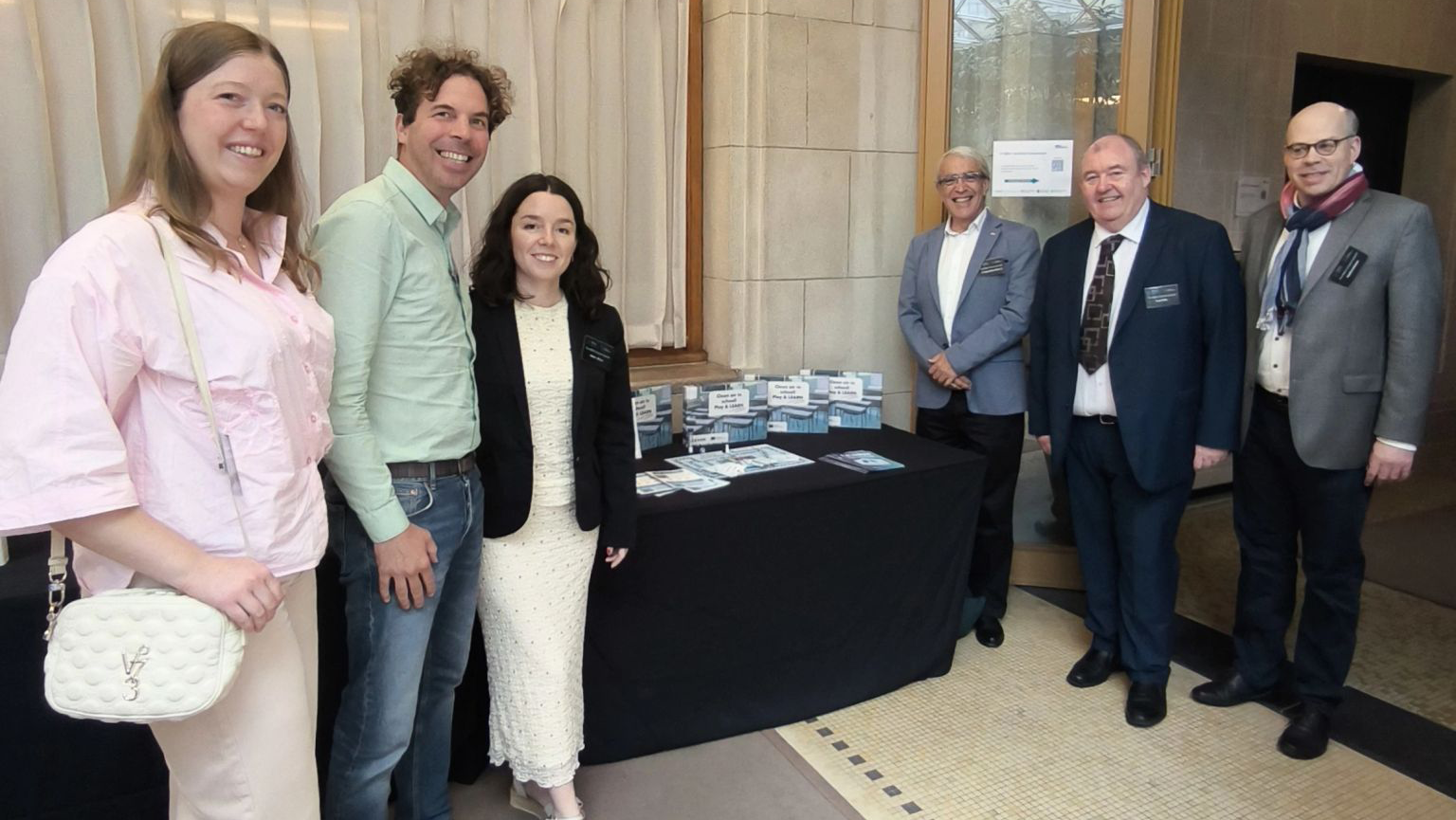
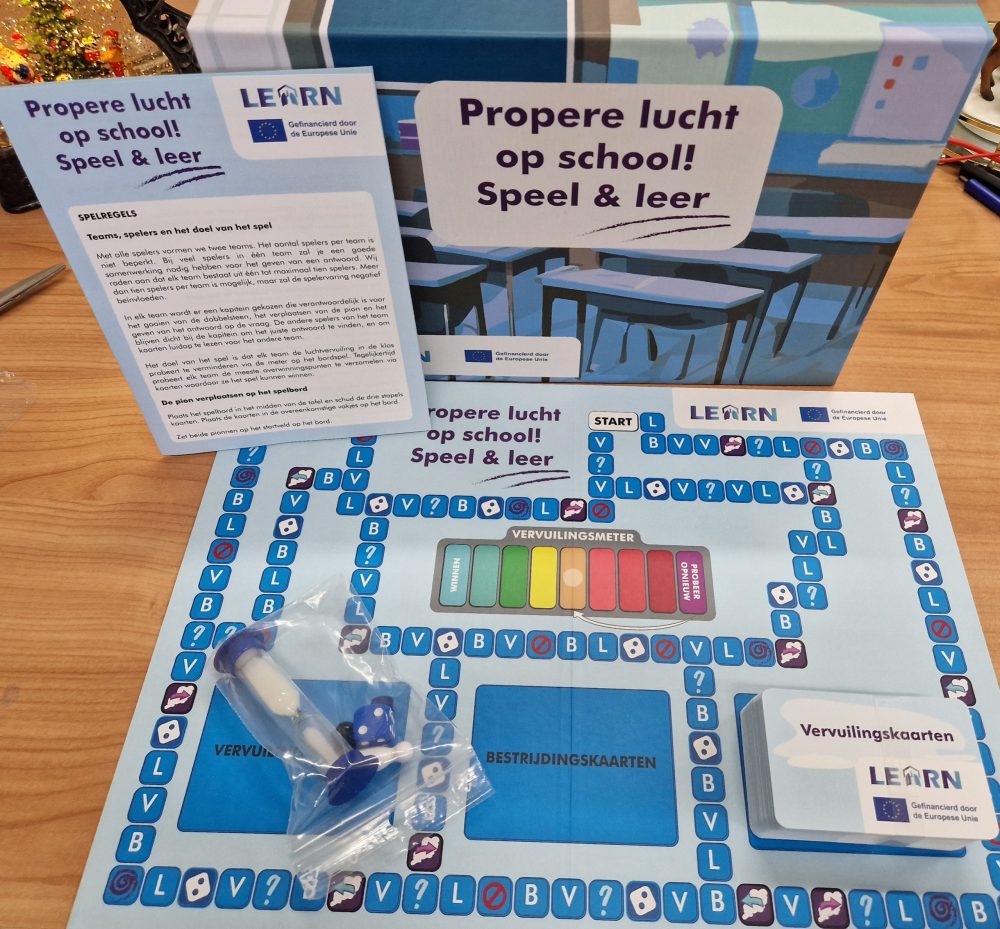
- Vrije Universiteit Brussel and FI Group developed a board game for children to learn about the main indoor air pollutants and remediation strategies in the classroom in a playful way.
- Sunyer et al. Association between traffic-related air pollution in schools and cognitive development in primary school children: a prospective cohort study. PLoS Med 2015;12:e1001792 ↩︎
- Forns, J., et al. (2017). “Longitudinal association between air pollution exposure at school and cognitive development in school children over a period of 3.5 years.” Environmental Research 159: 416-421. ↩︎