
Optical anapoles excited by UV-A illumination, a step forward for the novel VOCs sensors in the LEARN project

Researchers from the International Iberian Nanotechnology Laboratory (INL), the LEARN project’s coordinator, have published a new paper in the Optics Letters journal reporting, for the first time, that the excitation of optical anapoles states can be achieved at the UV-A wavelength range. The article, entitled ‘Optical anapoles excited by UV-A illumination‘, was developed in the Diéguez group under […]
The IDEAL cluster publishes its first policy brief, with the LEARN project’s contribution

The IDEAL cluster has recently published its first joint policy brief to improve indoor air quality in Europe. The coordination of this publication fell to the Cluster’s Working Group 1 (WG1), which is focused on science translation into policy. This working group is led by K-HEALTHinAIR and SynAir-G and counts on the contributions of all […]
The harmful health effects of oxidative stress induced by particular matter

Researchers from the International Iberian Nanotechnology Laboratory (INL), the LEARN project’s coordinator, have published a new paper about particulate matter-induced oxidative stress in the journal Environmental Toxicology and Pharmacology. The publication, entitled ‘Particulate matter-induced oxidative stress – Mechanistic insights and antioxidant approaches reported in in vitro studies‘, summarises the latest in vitro findings on the role […]
The European Commission highlights the LEARN project as one of its major supported research initiatives on indoor air quality
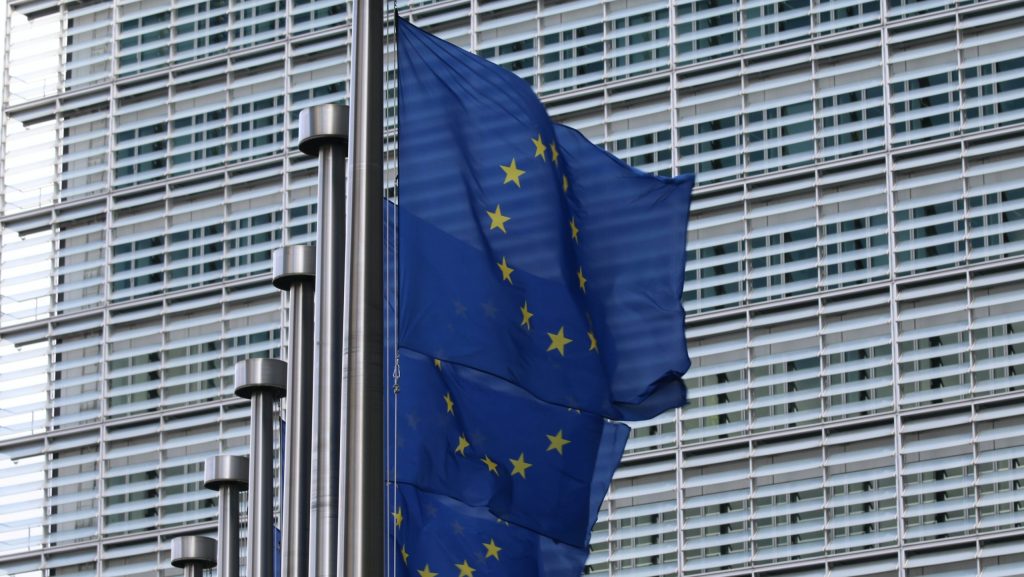
The IDEAL cluster and its projects, including the LEARN project, were recently mentioned in a Staff Working Document by the European Commission, as the main research works on indoor air quality that the EU is currently supporting. The document was published on the 13th of June 2024 in Brussels, Belgium, under the title ‘Commission Staff […]
The LEARN project develops a board game to learn about indoor air quality in schools
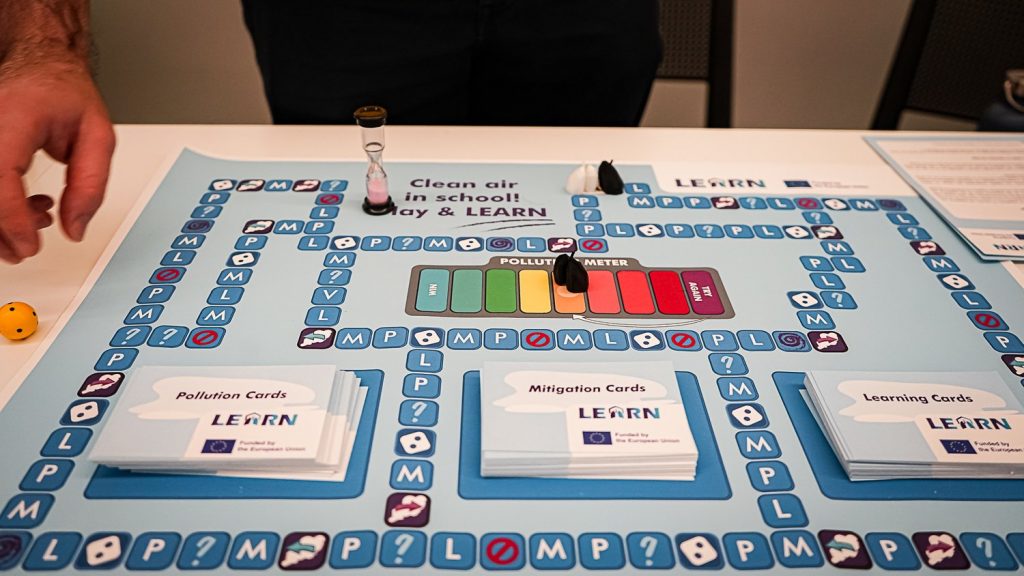
The LEARN project has produced a board game titled ‘Clean air in school! Play & LEARN’, for children to learn about indoor air quality in schools and strategies to improve it, collaboratively and playfully. The game is currently available in five different languages, including English, Danish, Dutch, Greek, Italian, Portuguese, and Spanish, and targets school […]
The impact of diesel exhaust particles on neurodegeneration and alterations in C. elegans

Researchers from the International Iberian Nanotechnology Laboratory (INL), the LEARN project’s coordinator, have published a new article in Environment International showing how Diesel Exhaust Particles (DEP) can trigger degenerative processes in neurons and alterations in Caenorhabditis elegans (C. elegans), and proposing which components could be responsible for this effect by using in silico models. This publication […]
The LEARN project conducts its first pilot study in Belgium on indoor air quality at schools
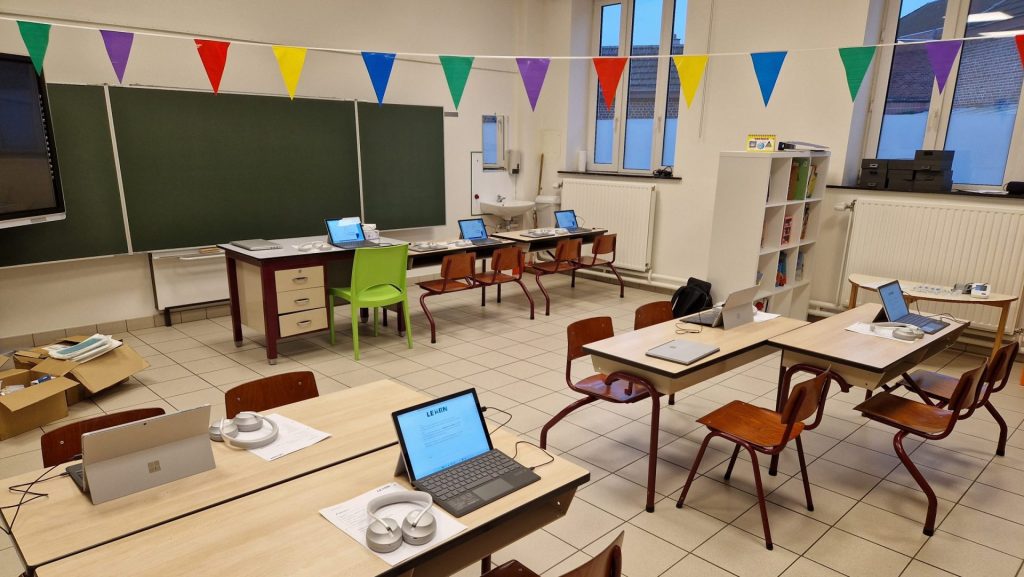
The LEARN project aims to control and evaluate indoor air quality in schools and its impact on the health and cognition of children. For that, this Horizon Europe project seeks to control and evaluate the air quality and levels of exposure of children in schools in three European countries: Denmark, Belgium, and Greece. Cohorts of […]
Participatory policy-making for cleaner air at schools

The LEARN project consortium has the ambitious goal of developing novel sensing and remediation strategies to improve indoor air quality in school environments. Through cohort studies in three European countries (Belgium, Greece, and Denmark), the health impacts of real-life exposure to indoor air pollution are being assessed. During these trials, the research group ‘SMIT’ of […]
The LEARN project, part of the IDEAL cluster for indoor air quality and health in Europe
The IDEAL cluster, which celebrated its kick-off last October 2022, focuses on identifying the chemical and microbiological drivers contributing to indoor air pollution, identifying their main sources and assessing their health impacts. This will help to map indoor environment pollution levels, sources, and health effects, and will facilitate establishing purposeful indoor air quality standards and […]