The IDEAL cluster and its projects, including the LEARN project, were recently mentioned in a Staff Working Document by the European Commission, as the main research works on indoor air quality that the EU is currently supporting.
The document was published on the 13th of June 2024 in Brussels, Belgium, under the title ‘Commission Staff Working Document on Supporting Indoor Air Quality‘, identified as ‘SWD(2024) 147 final’.
After introducing the concept of good indoor air quality and presenting ways to achieve it, the document focuses on different actions implemented by the Commission to support it, from policies and regulatory instruments to improve comparability of monitoring and reporting, to databases and technical guidance to facilitate the exchange of expertise, ending with studies and research work to improve quality and quantity of background information.
This last part is focused on the IDEAL cluster and its 7 projects, including the LEARN project, which are mentioned as the main research works currently supported by the European Commission in the field of indoor air quality and health. These initiatives aim to produce robust data on specific physical and chemical effects, which is considered essential for developing useful regulatory requirements and supporting technical instruments.
This is why the IDEAL cluster projects count on Horizon Europe funding close to 55 million euros, managed by more than 100 research groups from over 25 countries. Beyond the scopes of the 7 individual projects, the IDEAL cluster brings them all together into different working groups to harmonise data collection and facilitate the communication of results to policymakers, building professionals and the wider public.
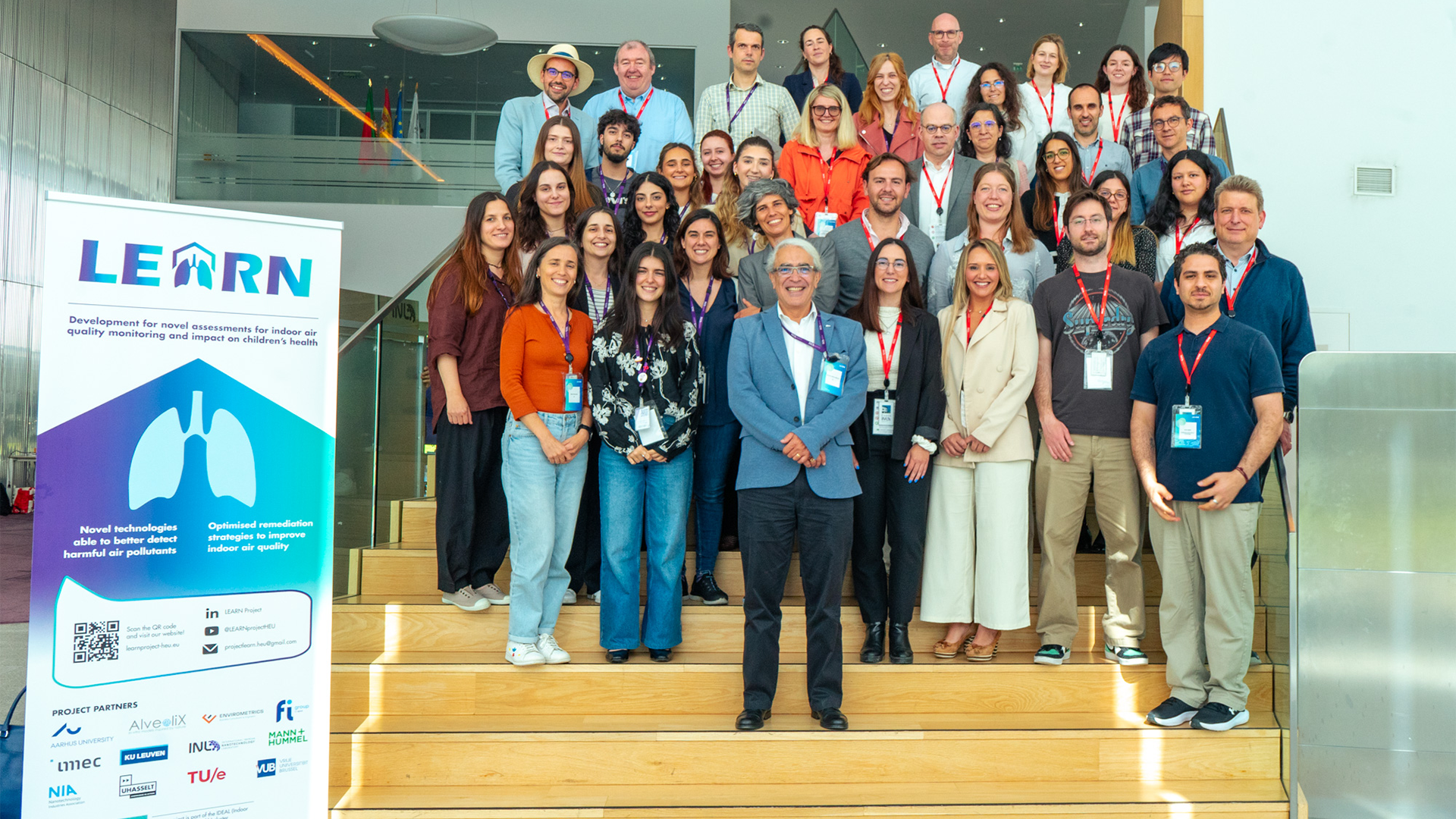
The LEARN project is a Horizon Europe project meant to monitor and evaluate indoor air quality at schools around Europe and its impact on children’s health. Our main goal is to develop and deploy novel sensors that can detect possibly harmful air pollutants, as well as advanced biosensors and optimised air remediation strategies. Find out more about our EU-funded project!