New policy recommendations from the EU-funded LEARN project, presented recently at its Final Conference in Braga, call for a coordinated European response to improve indoor air quality in schools, highlighting the urgent need for clear standards, better monitoring, and integrated policy action.
Building on four years of scientific research across Europe, the project provides strong evidence that poor air quality in classrooms negatively affects children’s health and cognitive development, while also demonstrating that effective solutions already exist.
From scientific evidence to policy action
The LEARN project’s findings confirm that improving indoor air quality in schools is not only feasible but essential. The project’s multi-country studies show that cleaner classroom air supports children’s cardiovascular health and learning performance, reinforcing the need for policy measures that protect children in their daily environments.
Despite this, indoor air quality remains largely underregulated across Europe, with no comprehensive EU-wide policy framework currently in place.
A comprehensive policy roadmap for schools
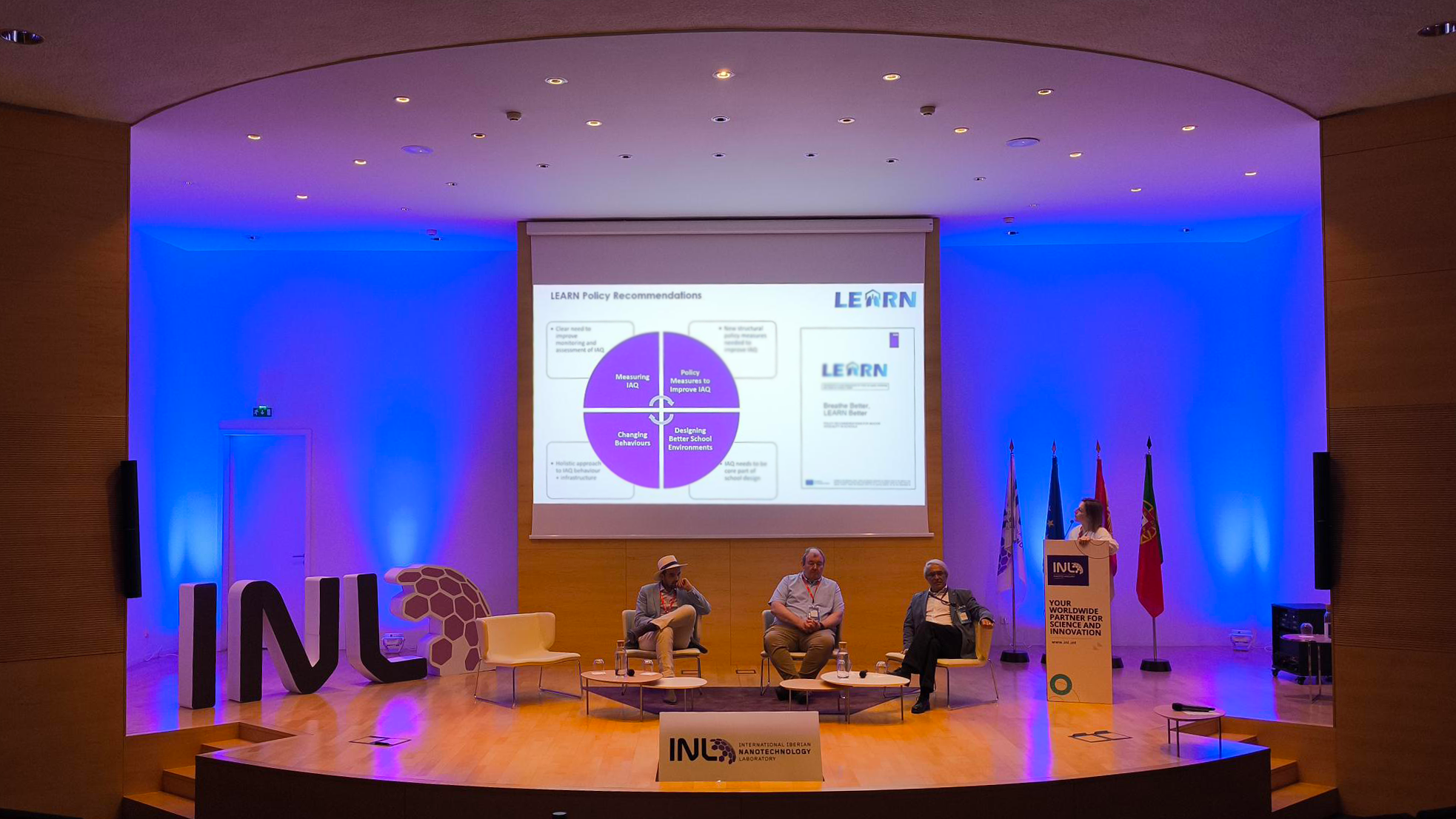
To address this gap, the LEARN project proposes a structured set of recommendations organised into four key areas: measuring indoor air quality, designing healthier school environments, driving behavioural change and awareness, and strengthening policy and regulation.
First of all, effective action starts with reliable data. The LEARN project recommends expanding monitoring beyond CO₂ to include particles and harmful gases such as volatile organic compounds (VOCs) and ultrafine particles (UFPs), deploying sensors in schools, particularly in high-risk areas, and using harmonised methodologies to ensure comparable and actionable data. Indeed, a new monitoring protocol developed by the project combines real-time sensors with targeted sampling, enabling a more accurate assessment of children’s exposure to pollution.
In addition, indoor air quality should be treated as a core requirement in school design and renovation, alongside energy efficiency and comfort. Key recommendations include integrating ventilation and filtration systems into building design, ensuring performance-based specifications for air filtration, and managing indoor air quality through a holistic system, combining ventilation, filtration, monitoring and maintenance.
Improving indoor air quality also depends on people’s behaviour, while a significant proportion of schools rarely consider children’s exposure to indoor pollution. The LEARN project calls for increased education and awareness among teachers, students, parents and communities; clear protocols to help schools respond to poor air quality conditions; and practical actions such as ventilation practices, reducing traffic emissions near schools, and adapting daily behaviours.
Last but not least, the LEARN project identifies the need for clear, consistent and enforceable frameworks at the policy level, while its survey results show strong public support for action, with 73% of participants calling for mandatory indoor air quality regulations. Key recommendations include the development of EU-level indoor air quality policies for schools, the introduction of mandatory standards and thresholds, support for automated air quality management systems, and the alignment of testing methods with real-world conditions.
A systemic challenge requiring coordinated action
The LEARN project emphasises that indoor air quality must be addressed as a systemic issue, combining infrastructure, technology, behaviour and policy. This includes continuous monitoring and data-driven decision-making, the integration of indoor air quality into school design and operation, and collaboration between schools, local authorities and policymakers. The recommendations also highlight the importance of extending action beyond schools, as children’s exposure to air pollution is influenced by multiple environments.
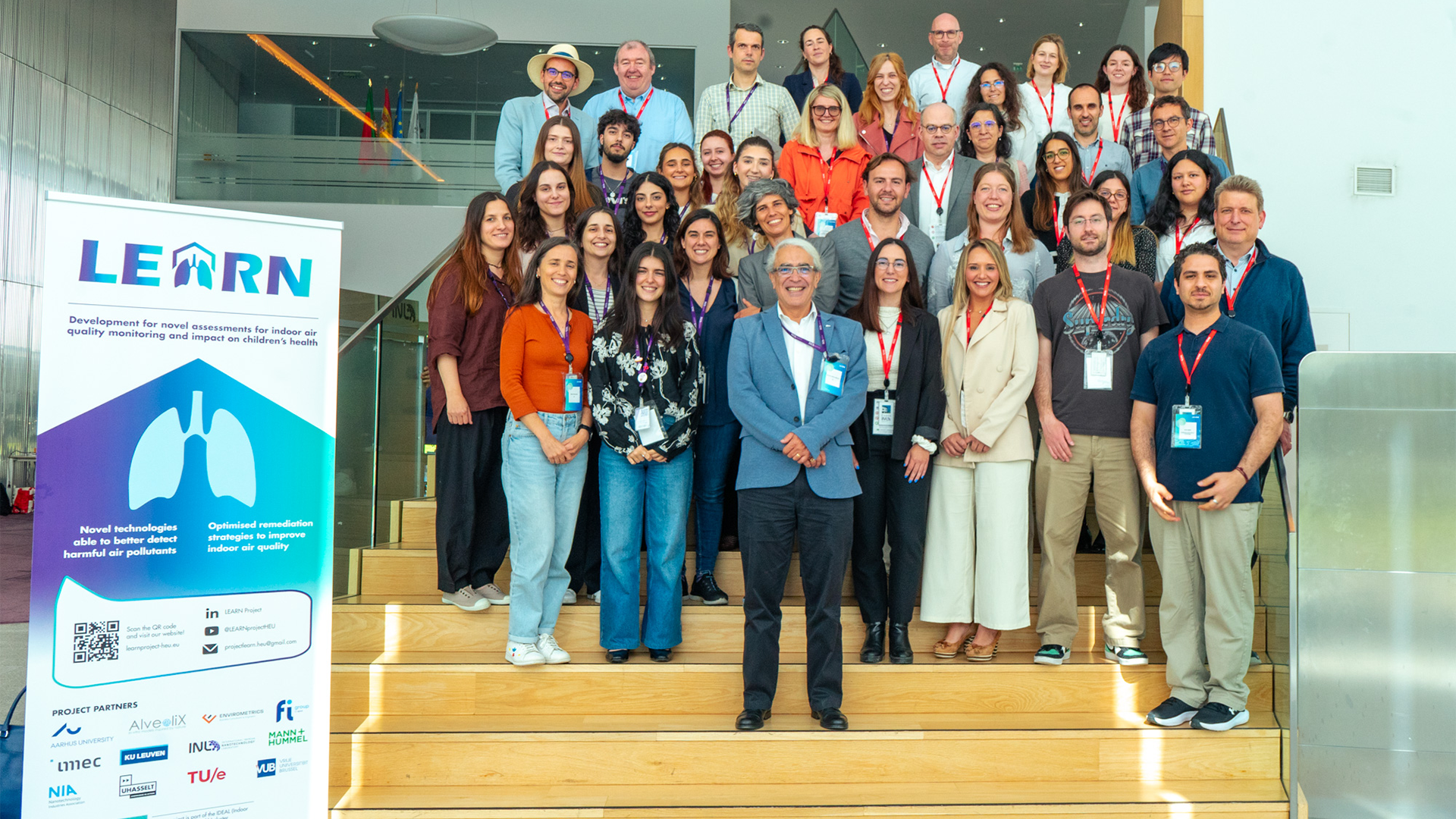
These recommendations were presented at the LEARN Final Conference on Indoor Air Quality and Children’s Health, bringing together researchers, policymakers and stakeholders to accelerate action across Europe.
“We now have clear scientific evidence, but also a clear path forward. Improving indoor air quality in schools requires coordinated action, from better monitoring and building design to strong policies and behavioural change. The solutions are within reach, and it is time to implement them.” — Sean Kelly, Senior Project Manager and Director General (Interim) at the Nanotechnology Industries Association (NIA), and Exploitation and Policy Manager of the LEARN project.